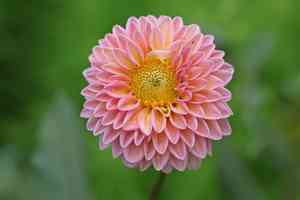
Longstalk greenthread (Thelesperma longipes)
Also known as: Navajo tea, Greenthread
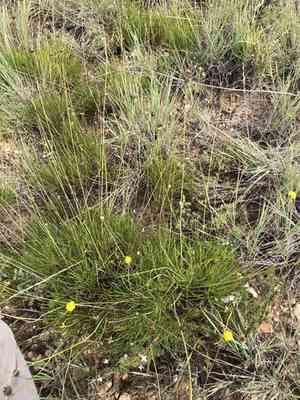
The longstalk greenthread features bright yellow, daisy-like flowers on thin, elongated stems, giving it a graceful look. Its narrow, sparse leaves are designed to reduce water loss, making it well-suited for arid environments. This resilient plant adapts to dry conditions with a deep taproot that reaches moisture far below the parched surface.
In This Article
Attributes of Longstalk greenthread
Lifespan
Perennial
Plant Type
Herb
Plant Height
30-60 cm
Spread
Varies, usually not more than 30 cm
Leaf Color
Green
Flower Size
Approximately 2-3 cm
Flower Color
Yellow
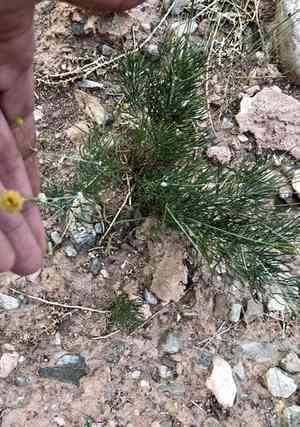
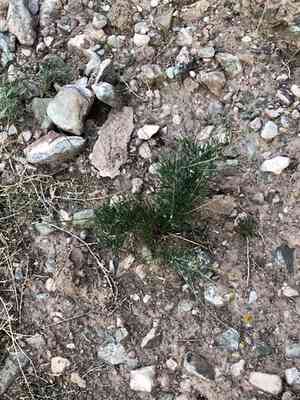
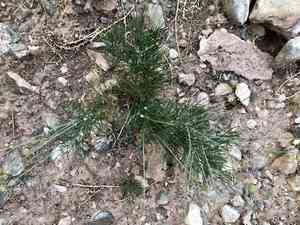
Images of Longstalk greenthread
Quickly Identify Longstalk greenthread
1
Look for needle-like, thread-like leaves and bright yellow, daisy-like flowers. The plant typically grows in dry, sandy soil and open spaces.
Scientific Classification of Longstalk greenthread
Phylum
Vascular plants
Class
Dicotyledons
Order
Asterales
Family
Daisy
Genus
Thelesperma
Species
Longstalk greenthread
Planting and Growing of Longstalk greenthread
Care Difficulty
Easy
Watering Schedule
Every 2 days
Sunlight Requirements
Full sun
Sunshine Duration
4-8 hours
Ideal Temperature
60-75℉
Soil Type
Potting Mix, Peat Mix
Soil pH
6.5-7.5
Fertilizer Type
Balanced
Pruning Season
Spring, Summer
Pruning Area
Branches, Leaves
Pruning Frequency
2 times a year
Repotting Season
Spring
Pot Type
Plastic, Ceramic
 How to Water Longstalk greenthread?
For Thelesperma longipes, watering should be done until the soil is evenly moist but not waterlogged. Ensure the soil absorbs water completely, and avoid any standing water, as it can harm the roots. A good rule of thumb is to add approximately 250 milliliters of water during each session.
What are the symptoms of an underwatered Longstalk greenthread?
›
What should I do if my Longstalk greenthread is not getting enough water?
›
What are the symptoms of an overwatered Longstalk greenthread?
›
How to save an overwatered Longstalk greenthread?
›
 What Are the Sunlight Requirements for Longstalk greenthread?
Full sun to partial sun is optimal. Proper light exposure ensures vibrant flowering and robust growth, mimicking its native habitat and making it thrive.
What is the perfect sunlight condition?
›
How can I manage the ideal light exposure?
›
What benefits arise from ideal light conditions?
›
 What Is the Ideal Temperature Range for Longstalk greenthread?
Thelesperma longipes thrives best in an ideal temperature range between 60°F and 75°F. This range ensures optimal growth and development, allowing the plant to maintain its physiological processes efficiently. Maintaining these temperatures can promote vibrant blooms and healthy foliage.
 What Soil is Best for Longstalk greenthread?
Thelesperma longipes thrives in soil with excellent drainage. Ensuring good drainage prevents root rot and other water-related issues, essential for maintaining the plant's health and vitality. This plant prefers soil that is moderately fertile. Providing nutrients enhances growth without overwhelming the plant, which contributes to its robust flowering. While it prefers well-drained soil, maintaining consistent moisture levels is key. This balance supports overall plant health and reduces stress during dry spells.
 How to Fertilize Longstalk greenthread?
For Thelesperma longipes, it is essential to provide an adequate amount of fertilizer to ensure optimal growth. Use about half the recommended strength specified on the fertilizer package, as overly concentrated nutrients might harm the plant. Generally, use approximately one teaspoon of liquid fertilizer in a gallon of water, applied as per frequency guidelines.
 How to Prune Longstalk greenthread?
Begin by removing any dead or damaged stems to allow healthier parts of Thelesperma longipes to flourish. Use sharp, clean scissors or pruning shears to avoid damaging the plant further. Aim to cut above a node to promote new growth, which will help maintain a bushy appearance. To achieve a pleasing form, focus on trimming any excessively long shoots that detract from the desired shape. This involves evaluating the overall balance of the plant and selectively pruning errant growth. Always look to create a harmonious structure that encourages sunlight and airflow throughout the plant.
More About Pruning Techniques→
 How to Propagate Longstalk greenthread plant?
1
Fill the seed tray with a well-draining seed starting mix. Ensure that the mix is moist but not waterlogged to encourage healthy seed germination.
2
Spread the seeds evenly over the surface of the seed starting mix. Cover them lightly with additional mix, and water gently to avoid displacing the seeds.
3
Select healthy stems from the parent plant and use a sharp knife or pruners to take 4-6 inch long cuttings. Remove the lower leaves to expose nodes where roots will form.
 How to Repot Longstalk greenthread plant?
1
Thelesperma longipes should be repotted when roots start to emerge from the pot's drainage holes or when the plant appears root-bound. Early spring is ideal as it's entering its active growth phase, ensuring a smooth transition to the new pot.
2
Opt for a pot slightly larger than the current one, with ample drainage holes. A terracotta pot is excellent as it allows soil to dry out between waterings, preventing root rot, which is essential for a dry-loving plant like Thelesperma longipes.
3
Choose a well-draining soil, such as a sandy or cactus mix. This type of soil prevents water retention, simulating the plant’s natural rocky habitat, hence supporting its health and vibrant growth.



