Meadow-rues (Thalictrum) (Thalictrum)
Also known as: Meadow Rue, Windflower
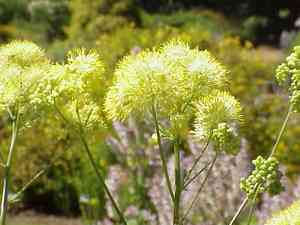
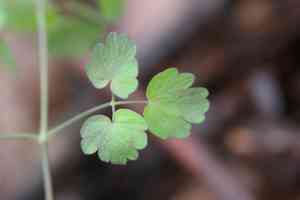
This herbaceous perennial grows to about 1 meter in height and 45 cm in width. Its leaves are made up of finely divided leaflets, similar in appearance to those of aquilegia. In early summer, it produces clusters of soft pink flowers arranged in flat-topped panicles.
In This Article
Attributes of Meadow-rues (Thalictrum)
Lifespan
Perennial
Plant Height
1 m
Spread
50 cm
Leaf Color
Green
Flower Size
0.5 to 2 cm
Flower Color
White Yellow Purple Pink
Images of Meadow-rues (Thalictrum)
Quickly Identify Meadow-rues (Thalictrum)
1
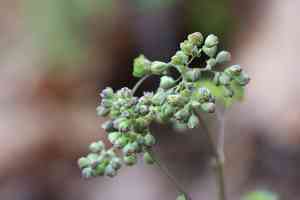
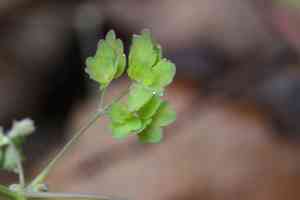
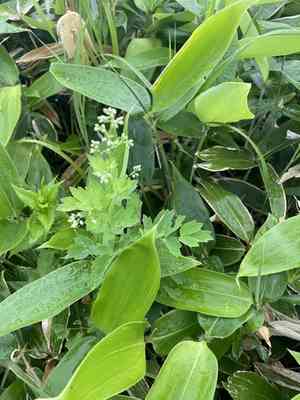
Thalictrum can be identified by its tall, slender stems and finely dissected, lacy leaves. The flowers are usually small and grouped in loose clusters, ranging in color from white and yellow to pink and purple.
Scientific Classification of Meadow-rues (Thalictrum)
Phylum
Magnoliophyta
Class
Magnoliopsida
Order
Ranunculales
Family
Ranunculaceae
Genus
Thalictrum
Planting and Growing of Meadow-rues (Thalictrum)
Care Difficulty
Moderate
Watering Schedule
Every 2 days
Sunlight Requirements
Partial sun
Sunshine Duration
6-10 hours
Ideal Temperature
60-75℉
Soil Type
Potting Mix, Peat Mix
Soil pH
6.5-7.5
Fertilizer Type
Balanced
Pruning Season
Spring, Summer
Pruning Area
Branches, Leaves
Pruning Frequency
2 times a year
Repotting Season
Spring
Pot Type
Plastic, Ceramic
 How to Water Meadow-rues (Thalictrum)?
For Thalictrum, a deep watering session is beneficial. Ensure the soil is moistened to a depth of 6-8 inches, allowing roots to absorb sufficient moisture. Avoid waterlogging by letting the first inch of soil dry out before re-watering.
What are the symptoms of an underwatered Meadow-rues (Thalictrum)?
›
What should I do if my Meadow-rues (Thalictrum) is not getting enough water?
›
What are the symptoms of an overwatered Meadow-rues (Thalictrum)?
›
How to save an overwatered Meadow-rues (Thalictrum)?
›
 What Are the Sunlight Requirements for Meadow-rues (Thalictrum)?
Partial sunlight or full shade is ideal for Thalictrum, offering nurturing conditions without overwhelming exposure. This lighting balance supports healthy foliage, vibrant blooms, and robust growth, enhancing both its ornamental and ecological contributions to the garden.
What type of sunlight does Thalictrum prefer?
›
How to ensure Thalictrum receives the right amount of light?
›
What are the benefits of meeting Thalictrum's lighting needs?
›
 What Is the Ideal Temperature Range for Meadow-rues (Thalictrum)?
For cultivating Thalictrum, maintaining an ideal temperature range between 60 and 75 °F ensures optimal growth and development. This range allows the plant to flourish, ensuring vibrant blooming and healthy foliage. This temperate range replicates the Thalictrum's natural habitat, which generally consists of moderate climatic conditions. Consistently stable temperatures within this range promote robust plant vigor.
 What Soil is Best for Meadow-rues (Thalictrum)?
Thalictrum thrives best in well-drained soil conditions that prevent waterlogging, ensuring the roots have access to oxygen, which is crucial for their health and growth. Rich, fertile soil provides Thalictrum with essential nutrients that promote vibrant foliage and prolific blooming, making it a more attractive plant in your garden. While Thalictrum needs moisture, the soil should retain water to sustain growth during dry spells yet be permeable enough to drain excess water.
 How to Fertilize Meadow-rues (Thalictrum)?
For Thalictrum, it's crucial to apply fertilizers moderately, as over-fertilizing can harm the plant. Consider using a balanced liquid fertilizer diluted to half strength, applying approximately 100 ml per plant. This ensures the roots won't be overwhelmed, promoting healthy growth.
 How to Prune Meadow-rues (Thalictrum)?
Begin by examining your Thalictrum for any stems that appear dead or are decaying. These are usually discolored or brittle. Remove them completely to enhance air circulation and light penetration. Trim the plant to maintain its desired shape, cutting back overgrown stems just above a node. This encourages healthy branching and keeps the plant looking tidy. If the plant is older or less vigorous, consider cutting back up to a third of the older growth. This stimulates new growth and can renew the plant’s energy.
 How to Propagate Meadow-rues (Thalictrum) plant?
1
Thalictrum seeds require a period of cold stratification to break dormancy. Place seeds in the refrigerator mixed with moist sand for 4 to 6 weeks prior to planting.
2
After stratification, sow the seeds in seed trays filled with a well-draining potting mix. Cover lightly with soil and keep the tray in a warm, bright spot. Maintain moisture without waterlogging.
3
In early spring, dig up a mature Thalictrum plant and divide its root mass into smaller sections with at least one growth bud. Replant these divisions immediately at the same soil level as the parent plant.
 How to Repot Meadow-rues (Thalictrum) plant?
1
Thalictrum should be repotted when growth appears stunted or the roots begin to outgrow the container. Signs include roots emerging from the pot's drainage holes or the soil drying out faster than usual. This usually indicates that it’s time to give your plant more space to flourish.
2
Select a container with adequate drainage and slightly larger than the current pot to accommodate future growth. A clay or ceramic pot is ideal for moisture management. Ample drainage ensures roots do not sit in water, reducing the risk of root rot.
3
Opt for a well-draining, loamy soil mixture with good aeration. This soil type is nutrient-rich and allows for easy root expansion. Adequate drainage prevents waterlogging, ensuring the roots maintain a healthy balance of moisture and oxygen.
Learn More About Meadow-rues (Thalictrum) Diseases
Anthracnose
Bacterial Leaf Spot
Bacterial Soft Rot
Bacterial Wilt
Black Spot
Chemical Injury
Crown Gall
Cyst Nematode
Damping-off
Downy Mildew
Drought Stress
Fusarium Wilt
Gray Mold
Leaf Curl
Leaf Spot
Mosaic
Nutrient Deficiency
Nutrient Toxicity
Powdery Mildew
Root Rot
Root-knot Nematode
Rusts
Sooty Mold
Spider Mites
Temperature Stress
Thrips Damage
White Mold

