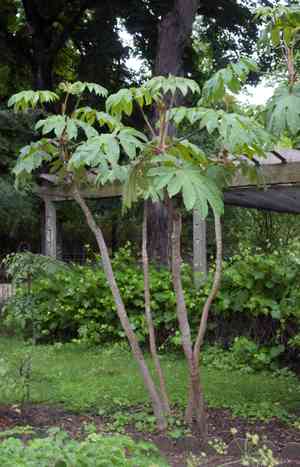
Rice-paper plant (Tetrapanax papyrifer)
Also known as: Chinese rice paper plant
Tetrapanax papyrifer, commonly known as the Rice-paper plant, is a perennial tropical shrub. In warm regions, it develops into a substantial shrub with significant growth. Conversely, in cooler climates, it tends to die back during the winter months but has the capability to regrow from its roots when spring arrives.
In This Article
Attributes of Rice-paper plant
Lifespan
Perennial
Plant Type
Tree
Plant Height
3 m to 7 m
Spread
1.2 m to 2.5 m
Leaf Color
Green
Flower Size
1 cm to 1.5 cm
Flower Color
White Cream Yellow
Images of Rice-paper plant
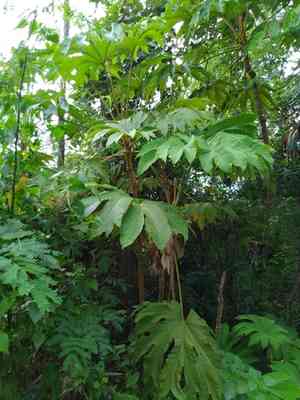
Quickly Identify Rice-paper plant
1
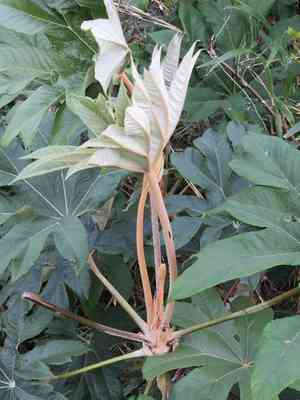
Deeply-lobed, gray-green leaves with white, fine hairs
2
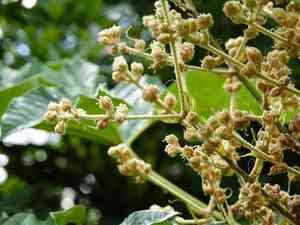
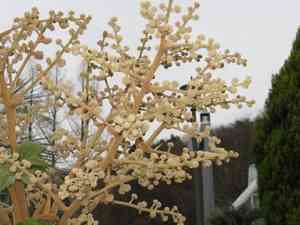
Creamy yellow-white flowers in large panicles up to 3 feet (90 cm)
3
Small round drupes with fleshy exterior and distinctive color
4
Leaves measuring 10-15 inches (25-38 cm) wide with star-like appearance
5
Cold hardy to at least 18 F (-7.8 C) and high salt tolerance
Scientific Classification of Rice-paper plant
Phylum
Vascular plants
Class
Dicotyledons
Order
Carrots, ivies and allies
Family
Ivy
Genus
Tetrapanax
Species
Rice-paper plant
Planting and Growing of Rice-paper plant
Care Difficulty
Easy
Watering Schedule
Every 4 days
Sunlight Requirements
Partial sun
Sunshine Duration
6-8 hours
Ideal Temperature
65-75℉
Soil Type
Potting Mix, Peat Mix
Soil pH
6.5-7.5
Fertilizer Type
Balanced
Pruning Season
Spring, Summer
Pruning Area
Branches, Leaves
Pruning Frequency
2 times a year
Repotting Season
Spring
Pot Type
Ceramic, Plastic
 How to Water Rice-paper plant?
Tetrapanax papyrifer requires moderate watering. Typically, it needs about 500 milliliters of water. Water enough to ensure the soil is consistently moist but not soggy. The amount can be adjusted based on seasonal changes and the humidity of the growing environment.
What are the symptoms of an underwatered Rice-paper plant?
›
What should I do if my Rice-paper plant is not getting enough water?
›
What are the symptoms of an overwatered Rice-paper plant?
›
How to save an overwatered Rice-paper plant?
›
 What Are the Sunlight Requirements for Rice-paper plant?
Tetrapanax papyrifer ideally thrives in partial sun, where it enjoys dappled light akin to its natural understory environment. The ideal light ensures robust growth with broad, healthy leaves and vigorous development.
More About Sunlight Requirements Techniques→
What are ideal lighting conditions for Tetrapanax papyrifer?
›
How can you achieve ideal lighting for Tetrapanax papyrifer?
›
What are the benefits of ideal lighting for Tetrapanax papyrifer?
›
 What Is the Ideal Temperature Range for Rice-paper plant?
What is the ideal temperature for growing Tetrapanax papyrifer? The ideal temperature for Tetrapanax papyrifer lies between 65°F and 75°F. This temperature range supports healthy growth and ensures the plant's metabolic processes operate efficiently.
 What Soil is Best for Rice-paper plant?
Tetrapanax papyrifer thrives in soil that retains moisture well without becoming waterlogged. Loam and sandy loam provide excellent water retention, ensuring the roots stay hydrated while preventing root rot, thus supporting vigorous growth. This plant prefers nutrient-rich soil to support its lush foliage. Organic matter mixed into the loam enhances nutrient availability, allowing for healthier leaves and more robust growth. While the soil should retain moisture, it must also drain well to prevent water from stagnating around the roots. Sandy loam achieves this balance, facilitating oxygen access to roots, thereby supporting a healthier root system.
 How to Fertilize Rice-paper plant?
For Tetrapanax papyrifer, it's important to apply a balanced fertilizer at half the recommended strength to avoid over-fertilization. Typically, 1/2 teaspoon of liquid fertilizer per gallon of water is sufficient, ensuring the nutrients are not overwhelming.
 How to Prune Rice-paper plant?
To prune Tetrapanax papyrifer, start by removing dead or damaged leaves and stems. Use clean and sharp pruning shears to make precise cuts just above a leaf node. Trim back any excessively long stems to maintain the desired shape. Focus on creating a uniform canopy by balancing the distribution of foliage. If Tetrapanax papyrifer is becoming too large for its space, perform a more extensive pruning in early spring. Cut back the main stems by up to one-third to reduce size and encourage denser foliage. Be cautious not to over-prune, as the plant can become stressed if too much foliage is removed at once.
More About Pruning Techniques→
 How to Propagate Rice-paper plant plant?
1
Choose a healthy, non-flowering stem for cuttings. The stem should be at least 6 inches long and free from any diseases or pests for optimal results in rooting.
2
Make a clean cut below a node using sharp pruning shears. Remove the lower leaves to reduce water loss and dip the cut end in rooting hormone before planting.
3
Insert the cut end of the stem into a pot filled with a well-draining soil mix. Firm the soil around the stem and water thoroughly to ensure good soil-to-stem contact.
 How to Repot Rice-paper plant plant?
1
Tetrapanax papyrifer should be repotted when you notice roots emerging from the drainage holes or when the plant demonstrates stunted growth. This indicates that the root system has become crowded in the current pot and needs more space to thrive. Spring or early summer is the best time, as the plant is actively growing and can recover quickly from the transplant shock.
2
When selecting a pot for Tetrapanax papyrifer, opt for one that is slightly larger than the current pot to provide room for root growth. Ensure that the new pot has adequate drainage holes to prevent waterlogging, which can lead to root rot. A pot with a width that matches the plant's height ensures better stability and support for this often top-heavy plant.
3
Choose a well-draining potting mix rich in organic matter for repotting Tetrapanax papyrifer. A mixture of peat, bark, and perlite can work wonders, allowing excess water to escape while retaining adequate moisture and nutrients. This soil type supports healthy root development and minimizes the risk of water-related problems.
Learn More About Rice-paper plant Diseases
Anthracnose
Bacterial Leaf Spot
Bacterial Soft Rot
Chemical Injury
Crown Gall
Damping-off
Downy Mildew
Drought Stress
Fusarium Wilt
Gray Mold
Leaf Curl
Leaf Spot
Mosaic
Nutrient Deficiency
Nutrient Toxicity
Powdery Mildew
Root Rot
Root-knot Nematode
Rusts
Sooty Mold
Spider Mites
Temperature Stress
Thrips Damage
White Mold



