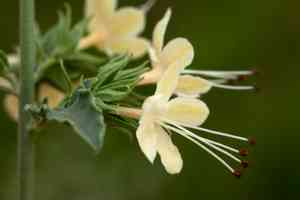
Coulter's wrinklefruit (Tetraclea coulteri)
Also known as: Coulter's Wrightwort
Coulter's wrinklefruit, scientifically known as Tetraclea coulteri, is a perennial plant belonging to the mint family (Lamiaceae). It thrives in the sandy and gravelly terrains of the Sonoran Desert, spanning from southern Arizona to western Texas and northern Mexico. The plant is notable for its white flowers that bloom at night and close during the daytime heat.
In This Article
Attributes of Coulter's wrinklefruit
Lifespan
Perennial
Plant Type
Herb, Shrub
Plant Height
30 cm to 91 cm
Spread
N/A
Leaf Color
Green
Flower Size
0.5-1 cm
Flower Color
White to pale pink
Images of Coulter's wrinklefruit
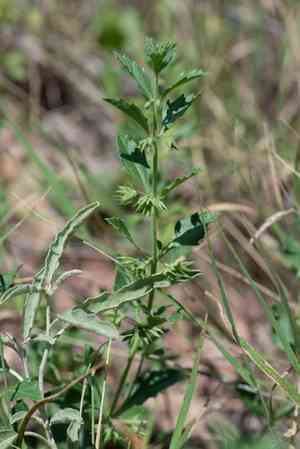
Quickly Identify Coulter's wrinklefruit
1
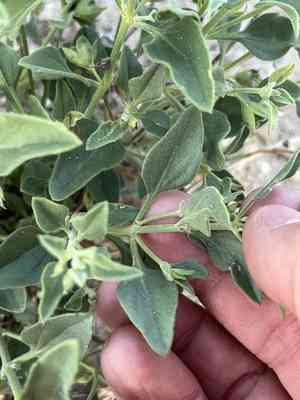
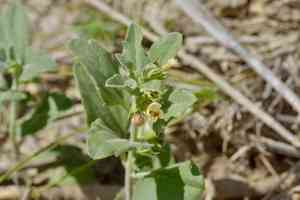
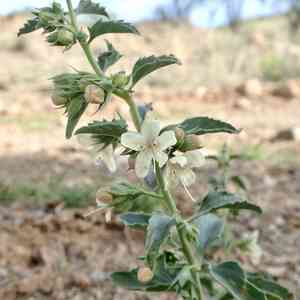
Identification can be facilitated by its small, white or pale pink tubular flowers arranged in clusters. The leaves are simple, opposite, and usually covered in fine hairs.
Scientific Classification of Coulter's wrinklefruit
Phylum
Vascular plants
Class
Dicotyledons
Order
Lamiales
Family
Mint
Genus
Tetraclea
Species
Coulter's wrinklefruit
Planting and Growing of Coulter's wrinklefruit
Care Difficulty
Moderate
Watering Schedule
Every 2 days
Sunlight Requirements
Full sun
Sunshine Duration
6-10 hours
Ideal Temperature
70-85℉
Soil Type
Potting Mix, Peat Mix
Soil pH
6.5-7.5
Fertilizer Type
Balanced
Pruning Season
Spring, Summer
Pruning Area
Branches, Leaves
Pruning Frequency
2 times a year
Repotting Season
Spring
Pot Type
Plastic, Ceramic
 How to Water Coulter's wrinklefruit?
When watering Tetraclea coulteri, aim to provide about 500 milliliters of water per session. Ensure the soil is evenly moist, but not soggy. The key is to let the top inch of soil dry out between watering, ensuring that the roots have access to moisture without becoming waterlogged.
What are the symptoms of an underwatered Coulter's wrinklefruit?
›
What should I do if my Coulter's wrinklefruit is not getting enough water?
›
What are the symptoms of an overwatered Coulter's wrinklefruit?
›
How to save an overwatered Coulter's wrinklefruit?
›
 What Are the Sunlight Requirements for Coulter's wrinklefruit?
Partial to full sun ensures robust growth, supporting Tetraclea coulteri's photosynthetic needs, thereby enhancing its strength, color, and blooming potential.
What is the optimal sunlight exposure for Tetraclea coulteri?
›
How can you provide ideal light conditions?
›
What benefits are gained from optimal lighting?
›
 What Is the Ideal Temperature Range for Coulter's wrinklefruit?
For optimal growth, Tetraclea coulteri thrives in temperatures between 70°F and 85°F. This range ensures that the plant's metabolic processes function efficiently, maximizing photosynthesis and nutrient absorption.
 What Soil is Best for Coulter's wrinklefruit?
Tetraclea coulteri thrives in well-draining soils that prevent waterlogging, which can lead to root rot. This feature ensures proper aeration of roots and maintains plant health by allowing excess water to drain away efficiently. The plant benefits from soil enriched with organic matter. Nutrients from compost or organic fertilizers promote healthy growth and robust flowering, providing the plant with the essential elements it needs to thrive. Although adaptable, Tetraclea coulteri prefers soils leaning towards slight alkalinity. This pH range supports optimal nutrient absorption, helping the plant develop vibrant foliage and sturdy stems.
 How to Fertilize Coulter's wrinklefruit?
For Tetraclea coulteri, moderate fertilization is crucial. Apply liquid fertilizer at half the recommended strength to avoid over-fertilizing, which may lead to root damage. When using slow-release granules, use approximately 20 grams per plant per year, ensuring even distribution around the base.
 How to Prune Coulter's wrinklefruit?
First, look for any dead, diseased, or damaged branches. These should be removed as soon as they are identified to prevent any disease spread and to allocate resources to healthy growth. Next, focus on shaping the plant by pruning for form and structure. Lightly thinning out the branches improves air circulation and light penetration, both crucial for the plant's overall health. When cutting, always make clean cuts just above a leaf node, angled at 45 degrees. This encourages new growth and helps the plant heal more efficiently. Always use sharp, sterilized tools.
More About Pruning Techniques→
 How to Propagate Coulter's wrinklefruit plant?
1
Before sowing seeds or planting cuttings, prepare a well-draining soil mix. For seeds, a light, loose mix is best, while cuttings prefer a medium that retains some moisture but doesn’t stay soggy.
2
Choose healthy, non-flowering stems for cuttings. Cut about 4-6 inches just below a node. Remove the lower leaves to reduce water loss, and dip the ends in rooting hormone powder to encourage root development.
3
Plant seeds at a depth twice their diameter. For cuttings, plant them deep enough to remain upright but not too deep to avoid rot. Light misting helps keep the cuttings hydrated before roots establish.
 How to Repot Coulter's wrinklefruit plant?
1
Watch for signs like roots emerging from the pot's drainage holes or soil that dries out too quickly. These indicate the plant has outgrown its current home and is ready for repotting. Choose a day when the plant is dry to minimize mess and root disturbance.
2
Select a pot that is just one size larger than the current one, ensuring it has good drainage. A pot too large can lead to excess soil moisture and potential root rot, whereas a slightly larger pot provides balanced space for growth.
3
Use a well-draining cactus mix to prevent water from lingering in the soil. This type of soil allows for air circulation and moisture control, reducing the risk of root rot and promoting strong, healthy growth of Tetraclea coulteri.
Learn More About Coulter's wrinklefruit Diseases
Anthracnose
Bacterial Leaf Spot
Bacterial Soft Rot
Bacterial Wilt
Black Spot
Chemical Injury
Crown Gall
Cyst Nematode
Damping-off
Downy Mildew
Drought Stress
Fusarium Wilt
Gray Mold
Leaf Curl
Leaf Spot
Mosaic
Nutrient Deficiency
Nutrient Toxicity
Powdery Mildew
Root Rot
Root-knot Nematode
Rusts
Sooty Mold
Spider Mites
Temperature Stress
Thrips Damage
White Mold



