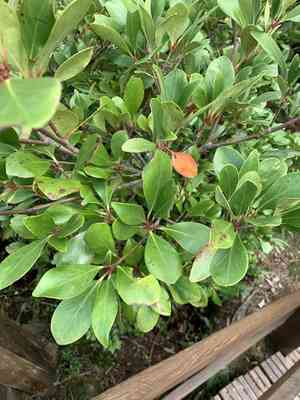
Japanese ternstroemia (Ternstroemia gymnanthera)
Also known as: Cleyera japonica, Sakaki, Japanese Cleyera
The Japanese Ternstroemia, also known as Ternstroemia gymnanthera, is an upright evergreen shrub that can reach heights of up to 3.5 meters. It typically blooms in the summer, displaying a rounded form. Native to regions including Japan, China, and the Himalayas, this plant is popularly used as a privacy screen or hedge. Its blue-green foliage provides year-round visual appeal.
In This Article
Attributes of Japanese ternstroemia
Lifespan
Perennial
Plant Type
Shrub
Plant Height
3.5 m
Spread
1.2 m to 1.8 m
Leaf Color
Green Red Yellow Gold Purple
Flower Size
2 cm
Flower Color
White Yellow
Images of Japanese ternstroemia
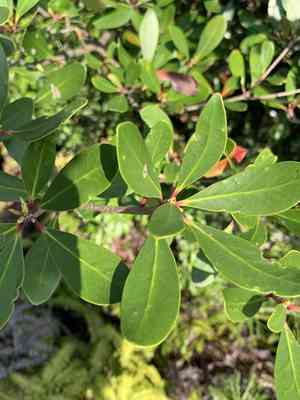
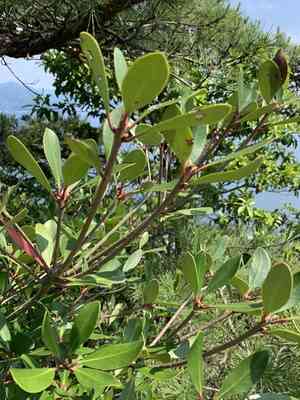
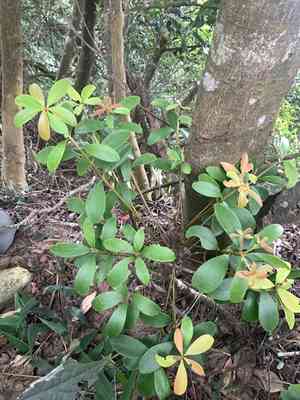
Quickly Identify Japanese ternstroemia
1
Upright, dense, oval silhouette reaching 8-10 feet (2.4-3 meters) in height.
2
Leaves are leathery, glossy, and adhere in an orderly fashion.
3
Flowers are small, creamy white, with red-pigmented edges, blooming in late spring.
4
Fruits transform from green to vibrant red, measuring 0.5 to 1 inch (1.27 to 2.54 cm).
5
Stems are thin, rust-gray, and demonstrate sympodial growth in a zigzag pattern.
Scientific Classification of Japanese ternstroemia
Phylum
Vascular plants
Class
Dicotyledons
Order
Heathers and allies
Family
Pentaphylacaceae
Genus
Ternstroemia
Species
Japanese ternstroemia
Planting and Growing of Japanese ternstroemia
Care Difficulty
Easy
Watering Schedule
Every 2 days
Sunlight Requirements
Partial sun
Sunshine Duration
4-8 hours
Ideal Temperature
60-75℉
Soil Type
Potting Mix, Peat Mix
Soil pH
6-7
Fertilizer Type
Balanced
Pruning Season
Spring, Summer
Pruning Area
Branches, Leaves
Pruning Frequency
Once a year
Repotting Season
Spring
Pot Type
Plastic, Ceramic
 How to Water Japanese ternstroemia?
For Ternstroemia gymnanthera, it's vital to ensure the soil remains consistently moist but not soggy. Ideally, water should flow evenly through the substrate, absorbing into the soil matrix without flooding it. You should water until approximately 500 milliliters ensure even distribution without creating oversaturation.
More About Watering Techniques→
What are the symptoms of an underwatered Japanese ternstroemia?
›
What should I do if my Japanese ternstroemia is not getting enough water?
›
What are the symptoms of an overwatered Japanese ternstroemia?
›
How to save an overwatered Japanese ternstroemia?
›
 What Are the Sunlight Requirements for Japanese ternstroemia?
Partial sun is ideal, providing a balanced growth environment and stimulating healthy bloom production, which sustains the plant's ornamental appeal and wellness.
More About Sunlight Requirements Techniques→
What is the best type of light for Ternstroemia gymnanthera?
›
How can one achieve ideal lighting for Ternstroemia gymnanthera?
›
What are the benefits of ideal lighting for Ternstroemia gymnanthera?
›
 What Is the Ideal Temperature Range for Japanese ternstroemia?
For optimal growth, Ternstroemia gymnanthera thrives best in a temperature range between 60°F and 75°F. This range ensures the plant can perform photosynthesis efficiently and maintain its metabolic processes without stress.
 What Soil is Best for Japanese ternstroemia?
Ternstroemia gymnanthera thrives in well-drained soil to prevent root rot. Well-drained soil helps in maintaining essential aeration which is beneficial for the root system. The plant prefers consistently moist soil without being waterlogged. Adequate moisture promotes healthy foliage and vibrant growth, making the plant more resilient to environmental stresses. A nutrient-rich soil enhances Ternstroemia gymnanthera's growth and flowering potential. Providing essential nutrients supports robust health and disease resistance.
More About Soil→
 How to Fertilize Japanese ternstroemia?
For Ternstroemia gymnanthera, it's essential to provide a balanced amount of nutrients. When using liquid fertilizer, dilute it to half the recommended strength. Apply about 200 ml per plant. Ensure the soil is moist before application to protect the roots.
More About Fertilizing Techniques→
 How to Prune Japanese ternstroemia?
Start by removing any dead or diseased branches to prevent any potential hazards and diseases from spreading. Follow by thinning out crowded areas to enhance light penetration and air circulation. Trim the outer edges uniformly to maintain a balanced shape. Focus on the natural form of the plant while ensuring an aesthetic and healthy structure. Avoid excessive cutting, which may lead to stress.
More About Pruning Techniques→
 How to Propagate Japanese ternstroemia plant?
1
Collect seeds from mature Ternstroemia gymnanthera plants during the autumn when they are fully ripe. Ensure that the seeds are dry and clean before storing them in a cool, dry place until you are ready to sow them in spring.
2
Select healthy, semi-hardwood cuttings from the parent plant. Ensure that each cutting is approximately 6-8 inches long and has at least a few leaves or leaf nodes. Remove leaves from the lower part of the cutting to reduce transpiration.
3
Sow seeds or plant cuttings in a well-draining medium such as a mix of peat and perlite. Keep the medium consistently moist but not waterlogged. Place the trays or pots in a bright area but out of direct sunlight to promote healthy root development.
 How to Repot Japanese ternstroemia plant?
1
Repot Ternstroemia gymnanthera when you notice roots emerging from the drainage holes, a slowdown in growth, or when the current potting soil becomes compacted and doesn't drain well. These indicators signify that the plant needs more space and fresh soil to thrive.
2
Select a pot that is slightly larger than the current one, with good drainage holes to prevent waterlogging. A pot that is one to two inches wider in diameter is ideal, ensuring the roots have room to grow, which helps prevent root-bound conditions and promotes healthy growth.
3
Opt for well-draining acidic potting mix, such as a blend designed for acid-loving plants like azaleas or camellias. This type of soil provides the slight acidity that Ternstroemia gymnanthera prefers and allows for proper drainage, reducing the risk of root rot.
Learn More About Japanese ternstroemia Diseases
Anthracnose
Bacterial Leaf Spot
Black Spot
Chemical Injury
Crown Gall
Damping-off
Downy Mildew
Drought Stress
Fusarium Wilt
Gray Mold
Leaf Curl
Leaf Spot
Mosaic
Nutrient Deficiency
Nutrient Toxicity
Powdery Mildew
Root Rot
Root-knot Nematode
Rusts
Sooty Mold
Spider Mites
Temperature Stress
Thrips Damage
White Mold



