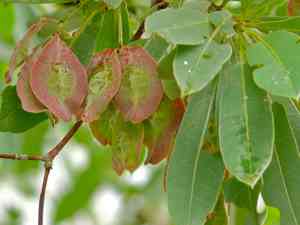
Silver terminalia(Terminalia sericea)

Silver terminalia (Terminalia sericea)

Also known as: Silver cluster leaf, Yellow wood, Assegai wood

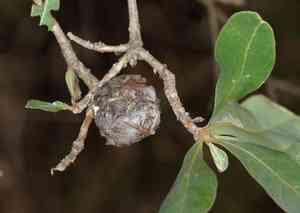
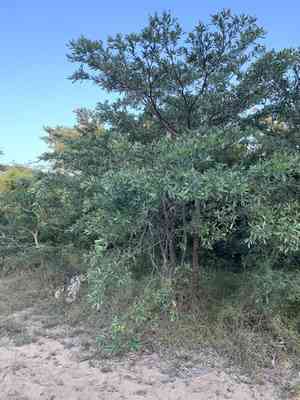
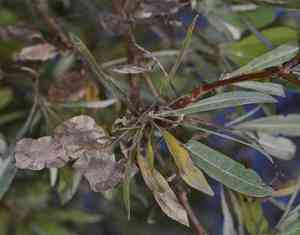
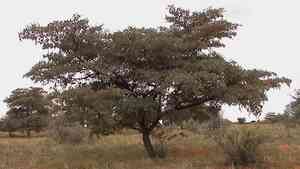
The silver cluster-leaf tree typically reaches about 9 meters (30 feet) in height in woodland areas, although some isolated trees can grow up to 23 meters (75 feet). The bark of the tree is reddish or greyish-brown and peels off in strips. The leaves are bluish-green, clustered at the branch tips, ovate with smooth edges, and covered in silvery hairs on both sides. The tree produces white flowers in short axillary spikes that have an unpleasant odor and are likely pollinated by flies. The fruit are winged nuts containing a single seed, turning darker pink as they ripen. They may stay on the tree for up to a year and are dispersed by the wind. Sometimes, the fruit becomes twisted and hairy due to parasitic insect larvae.

Attributes of Silver terminalia

Lifespan
Perennial
Plant Type
Tree
Plant Height
9 m
Spread
8 m
Leaf Color
Blue Green Silver
Flower Size
4 mm
Flower Color
White

ForwardPlant - Identify plants with a snap

Identify and diagnose plants, get toxicity alerts, and explore safety guides for all types of fungi.

Try for Free

Images of Silver terminalia

Silver terminalia(Terminalia sericea)

Quickly Identify Silver terminalia

1
The tree can be identified by its distinctive silvery-gray leaves which have a velvety texture. The bark is smooth and initially grey, becoming rough and dark with age. Flowers are small, inconspicuous, and yellowish in color, appearing in dense clusters.

Scientific Classification of Silver terminalia

Phylum
Vascular plants
Class
Dicotyledons
Order
Myrtales
Family
White mangrove
Genus
Terminalia
Species
Silver terminalia

Planting and Growing of Silver terminalia

Care Difficulty
Easy
Watering Schedule
Every 3 days
Sunlight Requirements
Full sun
Sunshine Duration
6-10 hours
Ideal Temperature
68-77℉
Soil Type
Potting Mix, Peat Mix
Soil pH
6.5-7.5
Fertilizer Type
Balanced
Pruning Season
Spring, Summer
Pruning Area
Branches, Leaves
Pruning Frequency
2 times a year
Repotting Season
Spring
Pot Type
Ceramic, Plastic

water icon How to Water Silver terminalia?

For Terminalia sericea, ensure the soil is completely soaked until water begins to drain out from the bottom of the pot. This mimics its natural environment where occasional heavy rain saturates the ground. Be cautious to let the soil dry between waterings.
What are the symptoms of an underwatered Silver terminalia?
What should I do if my Silver terminalia is not getting enough water?
What are the symptoms of an overwatered Silver terminalia?
How to save an overwatered Silver terminalia?

sunlight icon What Are the Sunlight Requirements for Silver terminalia?

Sunlight Requirements: Full sun, Partial sun
Duration of light: 6-8 hours a day
Terminalia sericea flourishes in full sun to partial sun. Adequate light promotes vigor and enhances the plant's natural pigmentation, optimizing its ornamental value and strengthening its resistance to environmental stress.
What type of light is best for Terminalia sericea?
How can I ensure it gets ideal light?
What are the benefits of providing ideal light conditions?
More About Sunlight Requirements Techniques

temperature icon What Is the Ideal Temperature Range for Silver terminalia?

Ideal Temperature: 68 ~ 77℉
The ideal temperature range for Terminalia sericea to thrive is between 68°F and 77°F. This range ensures optimal growth and development by facilitating efficient physiological processes. In this temperature window, the plant can effectively photosynthesize, process nutrients, and maintain cellular functions. Any significant deviation from this range could affect the health and vigor of the plant.

soil icon What Soil is Best for Silver terminalia?

Soil type: Sandy soil, Loam, Sandy loam
Soil PH: 6.5 ~ 7.5
Terminalia sericea thrives in well-drained soils, which allows excess moisture to pass through. This prevents root rot and supports healthy growth, ensuring the plant can absorb nutrients efficiently. The plant prefers soils with moderate fertility levels. This balance of nutrients supports vigorous growth without the risk of excessive vegetative growth that could weaken the plant. Good soil aeration is essential for Terminalia sericea as it allows roots to breathe and access oxygen. This promotes strong root development and overall plant health.

fertilize icon How to Fertilize Silver terminalia?

Fertilizer type: Balanced
Terminalia sericea requires a balanced approach to fertilizing. Use approximately 5 grams of all-purpose fertilizer per liter of water in liquid form or 30 grams per square meter for slow-release granules. Ensure that the fertilizer is well-diluted before application to avoid root burn.

prune icon How to Prune Silver terminalia?

Pruning Time: Spring, Summer
Begin by removing any dead or diseased branches, which can harbor pests and diseases. Then, focus on thinning out crowded areas to allow sunlight and air to penetrate the canopy. Cut just above a node at a 45-degree angle to encourage new growth. To create a balanced and aesthetically pleasing shape, take a step back and assess the natural form of the tree. Trim back any branches that disrupt this form, being careful not to remove more than one-third of the overall foliage to prevent stress. More About Pruning Techniques

propagate icon How to Propagate Silver terminalia plant?

Propagate Time: Spring, Early summer
1
Collect seeds from mature Terminalia sericea plants. Ensure the seeds are ripe and free from disease. This step ensures high viability and successful germination rates.
2
Select healthy, semi-hardwood stems from the plant. The cuttings should be about 10-15 cm long, and leaves should be trimmed to minimize water loss during rooting.
3
For seeds, plant them in trays with well-draining soil and keep them moist. For cuttings, dip in rooting hormone and plant in a mix of sand and potting soil to encourage root development.

repot icon How to Repot Silver terminalia plant?

Repotting frequency: Every 2-3 years
1
Terminalia sericea needs repotting when its roots outgrow the current pot, evidenced by roots emerging from drainage holes or visible soil compaction on the surface. Repot when the plant appears root-bound and growth slows.
2
Select a pot that is 1-2 inches larger in diameter than the current one, ensuring adequate drainage with multiple holes at the bottom. A larger pot allows room for root expansion while preventing waterlogging, crucial for the health of Terminalia sericea.
3
Opt for a sandy, well-draining soil mix that mimics the plant's natural environment. This prevents water retention and root rot, promoting healthy root development and nutrient absorption in Terminalia sericea.

ForwardPlant - Identify plants with a snap

Find the best spots for them to optimize their health, simply using your phone.

Try for Free