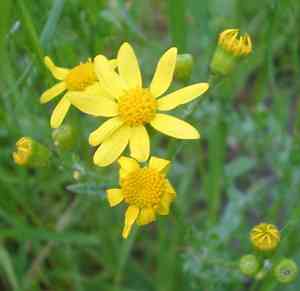
Tephroseris (Tephroseris) (Tephroseris)
Also known as: Ragwort, Groundsel
*Tephroseris* is a genus of plants in the groundsel tribe, part of the daisy family, that occurs in both Eurasia and North America.
In This Article
Attributes of Tephroseris (Tephroseris)
Lifespan
Perennial
Plant Height
20-70 cm
Spread
Not applicable for herbaceous plants
Leaf Color
Green, often with a greyish hue due to hair
Flower Size
1-2 cm
Flower Color
Yellow
Images of Tephroseris (Tephroseris)
Quickly Identify Tephroseris (Tephroseris)
1
Tephroseris can be identified by its hairy stems and leaves, which are often woolly or cobwebby. The flowers are typically yellow and resemble small daisies.
Scientific Classification of Tephroseris (Tephroseris)
Phylum
Tracheophyta
Class
Magnoliopsida
Order
Asterales
Family
Asteraceae
Genus
Tephroseris
Planting and Growing of Tephroseris (Tephroseris)
Care Difficulty
Moderate
Watering Schedule
Every 3 days
Sunlight Requirements
Partial sun
Sunshine Duration
4-8 hours
Ideal Temperature
60-75℉
Soil Type
Potting Mix, Peat Mix
Soil pH
6-7.5
Fertilizer Type
Balanced
Pruning Season
Spring, Summer
Pruning Area
Branches, Leaves
Pruning Frequency
2 times a year
Repotting Season
Spring
Pot Type
Plastic, Ceramic
 How to Water Tephroseris (Tephroseris)?
Water Tephroseris with approximately 250 milliliters each time. The aim is to moisten the soil evenly without causing it to become waterlogged. Ensure the top few centimeters of soil feel moist but not soggy. This plant prefers moderate watering that keeps the soil slightly on the drier side between waterings.
What are the symptoms of an underwatered Tephroseris (Tephroseris)?
›
What should I do if my Tephroseris (Tephroseris) is not getting enough water?
›
What are the symptoms of an overwatered Tephroseris (Tephroseris)?
›
How to save an overwatered Tephroseris (Tephroseris)?
›
 What Are the Sunlight Requirements for Tephroseris (Tephroseris)?
Partial sun ensures Tephroseris obtains adequate light for growth while minimizing damage. This setting fosters lush foliage and encourages flowering, enhancing the plant's overall appearance and health.
What type of light does Tephroseris thrive in?
›
How can you achieve ideal lighting conditions for Tephroseris?
›
What are the benefits of providing ideal light for Tephroseris?
›
 What Is the Ideal Temperature Range for Tephroseris (Tephroseris)?
The ideal temperature range for Tephroseris is between 60°F and 75°F. This range ensures optimal growth by balancing warm daytime temperatures with cooler nights. It mimics the plant's natural environment, promoting healthy photosynthesis and growth.
 What Soil is Best for Tephroseris (Tephroseris)?
Tephroseris thrives in well-draining soil, preventing waterlogging which can lead to root rot. The proper drainage ensures adequate air flow to roots, promoting healthy growth and nutrient uptake. This plant prefers soils with moderate fertility. Too rich a soil can lead to excessive leaf growth with few blooms, while too poor might stunt overall growth. Balanced fertility supports robust flowering. The plant does best in slightly acidic to neutral pH levels, supporting optimal nutrient availability and uptake. This pH range fosters a healthy root environment and balances essential soil microorganisms.
 How to Fertilize Tephroseris (Tephroseris)?
Tephroseris plants benefit from a balanced fertilization regimen. When using liquid fertilizers, it's essential to dilute the solution to half the recommended strength, applying approximately 100ml per plant during the growing season. This ensures that the nutrients are absorbed efficiently without overwhelming the plant.
 How to Prune Tephroseris (Tephroseris)?
Begin by inspecting the plant carefully for any dead or diseased parts. This saves healthy parts from potential infections and promotes a vibrant growth cycle. Focus on cutting just above a leaf node to encourage bushier growth. This technique improves the aesthetic structure and robustness of the plant.
 How to Propagate Tephroseris (Tephroseris) plant?
1
To propagate Tephroseris from seed, start by filling seed trays with a well-draining seed-starting mix. Sow the seeds thinly and cover them lightly with soil. Maintain a warm environment with indirect sunlight and keep the soil moist until germination occurs.
2
Cut a healthy stem from the parent plant using a sterilized sharp knife. Remove leaves from the lower part of the cutting and immediately plant it in a pots filled with a sandy or perlite-rich potting mix. Mist regularly and place it in a humid environment.
3
Tephroseris can be propagated by division in early spring. Carefully dig up the clump and separate it into smaller sections, ensuring each section has a healthy root system. Replant immediately into prepared beds or pots.
 How to Repot Tephroseris (Tephroseris) plant?
1
It's time to repot Tephroseris when you notice roots growing out of the drainage holes or the plant becomes noticeably root-bound. Additionally, if the plant’s growth has stagnated even with adequate care, it's an indicator that it may need repotting.
2
Select a pot that's 1-2 inches larger in diameter than the current one. A pot with good drainage is crucial to prevent waterlogged soil, which could lead to root rot. Using a pot of the right size allows the roots to expand adequately without excess, which helps in proper growth.
3
For Tephroseris, a well-draining potting mix like a combination of peat, perlite, and a bit of sand works best. This mix allows the roots to breathe and prevents excess moisture retention, reducing the risk of root decay.
Toxicity
Ingestion
WARNING
The judgment on toxicity and danger is for reference only. We DO NOT GUARANTEE any accuracy of such judgment. Therefore, you SHALL NOT rely on such judgment. It is IMPORTANT TO SEEK PROFESSIONAL ADVICE in advance when necessary.
Learn More About Tephroseris (Tephroseris) Diseases
Anthracnose
Bacterial Leaf Spot
Bacterial Soft Rot
Bacterial Wilt
Chemical Injury
Crown Gall
Cyst Nematode
Damping-off
Downy Mildew
Drought Stress
Fusarium Wilt
Gray Mold
Leaf Curl
Leaf Spot
Mosaic
Nutrient Deficiency
Nutrient Toxicity
Powdery Mildew
Root Rot
Root-knot Nematode
Rusts
Sooty Mold
Spider Mites
Temperature Stress
Thrips Damage
White Mold

