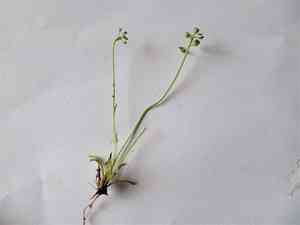
Lesser shepherdscress (Teesdalia coronopifolia)
Also known as: Shepherd's Cress
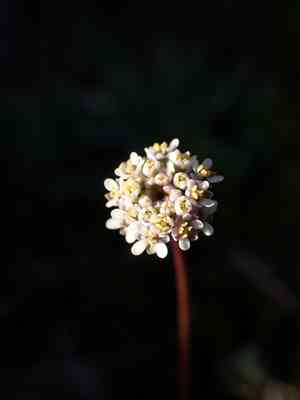
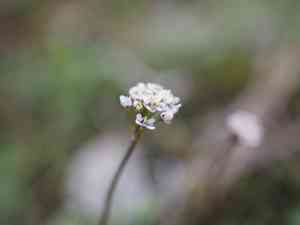
Annual or biennial herbaceous plants typically reach a height of 10 to 20 cm and often feature multiple stems originating from the base. Their basal leaves can be either entire or have sharp lobes, while the upper leaves are usually entire or may be absent. These plants often have small white flowers, around 2 mm in diameter, with petals approximately the same length as the sepals.
In This Article
Attributes of Lesser shepherdscress
Lifespan
Annual
Plant Type
Herb
Plant Height
10 cm to 20 cm
Spread
N/A
Leaf Color
Green
Flower Size
Up to 0.5 cm
Flower Color
White
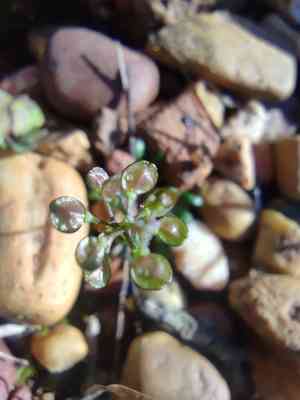
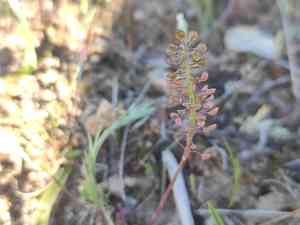
Images of Lesser shepherdscress
Quickly Identify Lesser shepherdscress
1
Look for a small rosette of pinnately lobed leaves at the base and tiny white flowers arranged in clusters on erect stems.
Scientific Classification of Lesser shepherdscress
Phylum
Vascular plants
Class
Dicotyledons
Order
Brassicales
Family
Cruciferae
Genus
Teesdalia
Species
Lesser shepherdscress
Planting and Growing of Lesser shepherdscress
Care Difficulty
Easy
Watering Schedule
Every 4 days
Sunlight Requirements
Full sun
Sunshine Duration
4-8 hours
Ideal Temperature
60-75℉
Soil Type
Potting Mix, Peat Mix
Soil pH
6.5-7.5
Fertilizer Type
Balanced
Pruning Season
Spring, Summer
Pruning Area
Branches, Leaves
Pruning Frequency
2 times a year
Repotting Season
Spring
Pot Type
Plastic, Ceramic
 How to Water Lesser shepherdscress?
For Teesdalia coronopifolia, it is important to ensure the soil is moist but not waterlogged. A good rule of thumb is to water enough so that the top inch of soil is consistently damp. This ensures the roots have enough moisture without drowning them.
What are the symptoms of an underwatered Lesser shepherdscress?
›
What should I do if my Lesser shepherdscress is not getting enough water?
›
What are the symptoms of an overwatered Lesser shepherdscress?
›
How to save an overwatered Lesser shepherdscress?
›
 What Are the Sunlight Requirements for Lesser shepherdscress?
For optimal growth, Teesdalia coronopifolia prefers conditions ranging from full sun to partial sun, equating to about 5 to 8 hours of sunlight daily. Ideal lighting ensures healthy foliage, robust flowering, and strong overall growth.
Question: What is the ideal light intensity for Teesdalia coronopifolia?
›
Question: How can you ensure Teesdalia coronopifolia gets enough light indoors?
›
Question: Why is the correct light condition crucial for Teesdalia coronopifolia?
›
 What Is the Ideal Temperature Range for Lesser shepherdscress?
Teesdalia coronopifolia thrives best in a temperature range between 60°F and 75°F. This range supports optimal growth and development, allowing for proper metabolic processes and enzyme activity. Consistently maintaining temperatures within this range helps prevent stress and promotes strong, healthy plants.
 What Soil is Best for Lesser shepherdscress?
Teesdalia coronopifolia thrives in well-drained soils, which prevent water stagnation that can lead to root rot. This characteristic ensures that the roots receive enough oxygen and nutrients, promoting healthy growth. This plant benefits from nutrient-rich soil that supports its vigorous growth and flowering. A soil enriched with organic matter supplies essential nutrients, enhancing overall plant health and resilience. The ideal soil retains a moderate amount of moisture, ensuring the plant has consistent access to water without becoming waterlogged. This balance helps maintain optimal hydration levels for the plant’s development.
 How to Fertilize Lesser shepherdscress?
For Teesdalia coronopifolia, use a balanced, water-soluble fertilizer at half the recommended strength to avoid over-fertilizing. Typically, this equates to using approximately 1 teaspoon of fertilizer per gallon of water. This amount ensures the plant receives adequate nutrients without the risk of nutrient burn.
 How to Prune Lesser shepherdscress?
Teesdalia coronopifolia is a delicate plant. Over-pruning can lead to stress and reduced flowering. Trim conservatively to keep the plant healthy and vibrant. To prevent the spread of disease, disinfect your pruning tools with alcohol or a mild disinfectant between each cut, especially when switching between plants.
More About Pruning Techniques→
 How to Propagate Lesser shepherdscress plant?
1
Begin by preparing the seeds of Teesdalia coronopifolia. Check for any damaged or unhealthy seeds and discard them. Some growers advise soaking the seeds in water for a few hours before planting to encourage quicker germination, although this step is optional.
2
Sow the seeds evenly in a seed tray filled with a suitable potting mix. Cover the seeds lightly with a thin layer of soil, as Teesdalia coronopifolia seeds need some light to germinate. Gently water the seeds, ensuring the soil is moist but not waterlogged.
3
Place the seed tray in a location with good indirect sunlight. Maintain consistent moisture by using a spray bottle to mist the soil surface. Once the seedlings develop their first true leaves, they can be carefully transplanted into individual pots or a designated planting area in the garden.
 How to Repot Lesser shepherdscress plant?
1
Teesdalia coronopifolia shows it needs repotting when its roots begin to encircle the pot's interior or it starts exhibiting stunted growth. Spring is the best season to do this as the plant is entering its growth cycle.
2
Selecting the right pot for Teesdalia coronopifolia involves ensuring it has adequate drainage holes and is slightly larger than the current pot. This encourages healthy root expansion and prevents waterlogging, which is crucial for plant health.
3
Choosing a well-draining soil mix is critical for Teesdalia coronopifolia. This type of soil provides the necessary aeration and drainage, reducing the risk of root rot and ensuring the plant has access to essential nutrients.



