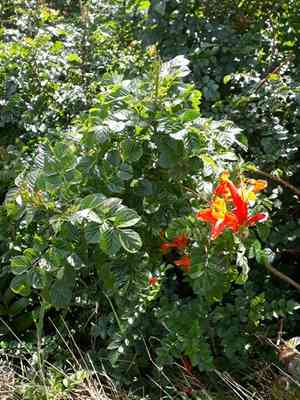
Tecomaria capensis (Tecomaria capensis)
Also known as: Cape Honeysuckle
Tecomaria capensis, also known as the Cape honeysuckle, is a flowering species from the Bignoniaceae family, originating from southern Africa. Despite its nickname suggesting otherwise, it holds no strong genetic relations to the true honeysuckle.
In This Article
Attributes of Tecomaria capensis
Lifespan
Perennial
Plant Height
2 - 3 metres
Spread
2 - 3 metres
Leaf Color
Green
Flower Size
1 - 2 cm
Flower Color
Orange, Yellow or Red
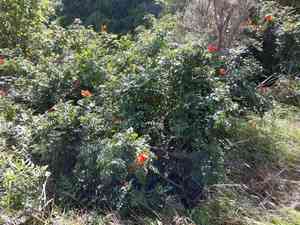
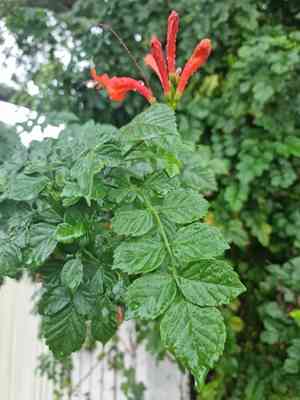
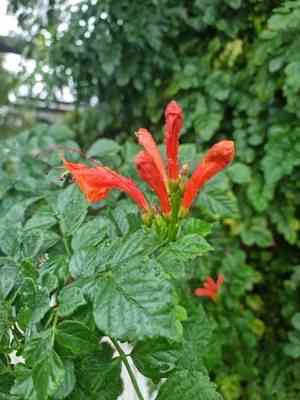
Images of Tecomaria capensis
Quickly Identify Tecomaria capensis
1
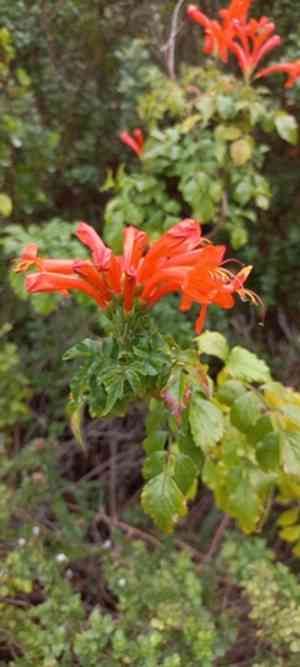
Identify Tecomaria capensis by its glossy green leaves that are pinnately compound. Flowers are tubular and orange in color.
Scientific Classification of Tecomaria capensis
Phylum
Tracheophyta
Class
Magnoliopsida
Order
Lamiales
Family
Bignoniaceae
Genus
Tecomaria
Species
T. capensis
Planting and Growing of Tecomaria capensis
Care Difficulty
Easy
Watering Schedule
Every 4 days
Sunlight Requirements
Full sun
Sunshine Duration
6-10 hours
Ideal Temperature
65-75℉
Soil Type
Potting Mix, Peat Mix
Soil pH
6.5-7.5
Fertilizer Type
Balanced
Pruning Season
Spring, Summer
Pruning Area
Branches, Leaves
Pruning Frequency
2 times a year
Repotting Season
Spring
Pot Type
Plastic, Terracotta
 How to Water Tecomaria capensis?
The Cape Honeysuckle, known scientifically as Tecomaria capensis, requires approximately 500 milliliters of water per session. The watering should ensure that the soil is evenly moist but not waterlogged, following the principle of keeping the top inch of the soil slightly dry between waterings.
What are the symptoms of an underwatered Tecomaria capensis?
›
What should I do if my Tecomaria capensis is not getting enough water?
›
What are the symptoms of an overwatered Tecomaria capensis?
›
How to save an overwatered Tecomaria capensis?
›
 What Are the Sunlight Requirements for Tecomaria capensis?
Tecomaria capensis favors a light range of full sun to partial sun, which supports blooming and healthy growth. Adequate lighting is essential for vibrant flower production.
How much light does Tecomaria capensis need?
›
What can you do to achieve ideal lighting?
›
What are the benefits of ideal lighting?
›
 What Is the Ideal Temperature Range for Tecomaria capensis?
The ideal temperature range for growing Tecomaria capensis is between 65 to 75°F. In this range, the plant can photosynthesize efficiently and maintain a healthy growth rate. Such moderate temperatures ensure the plant can thrive without being stressed by excessive heat or cold.
 What Soil is Best for Tecomaria capensis?
Tecomaria capensis thrives in well-drained soil, as it prevents root rot and ensures proper nutrient absorption. This type of soil helps in maintaining the moisture levels without waterlogging, contributing to a robust and healthy growth. The plant prefers soil with moderate fertility, which can provide sufficient nutrients for lush foliage and prolonged blooming periods. Fertile soil enhances growth quality, yielding vibrant flowers and a thriving plant structure. Incorporating organic matter into the soil is crucial for Tecomaria capensis, as it enriches the soil structure and increases microbial activity. This fosters a sustainable ecosystem around the roots, optimizing nutrient uptake and overall plant health.
 How to Fertilize Tecomaria capensis?
When fertilizing Tecomaria capensis, it's important to ensure you are using the right amount: approximately 1 ounce of liquid fertilizer diluted per gallon of water, applied thoroughly to the soil. The slow-release granular fertilizer should be applied at a rate of about 2 ounces per square yard, ensuring it is spread evenly across the root zone.
 How to Prune Tecomaria capensis?
Start by removing any dead, damaged, or diseased stems. Look for crossed branches and consider the overall shape you want to achieve, aiming for a balanced, open plant structure. Make cuts at a 45-degree angle about ¼ inch above a node. This encourages new growth and minimizes the chance of water settling on the cut surface, which can lead to disease.
 How to Propagate Tecomaria capensis plant?
1
Select healthy, non-flowering stems and cut them right below a node, approximately 4-6 inches long. Remove the leaves from the lower half to reduce water loss during rooting.
2
Dip the cut end of each cutting into rooting hormone, ensuring it adheres properly. This step is crucial to stimulate root development in a faster, more effective manner.
3
Plant each cutting in a well-draining potting mix. It's advisable to use a pot with holes to allow excess water to escape, preventing root rot and boosting aeration.
 How to Repot Tecomaria capensis plant?
1
Tecomaria capensis typically requires repotting when its roots start to circle around the bottom of the pot or visibly protrude from the drainage holes. It may also need a bigger pot when its growth slows down or leaves start yellowing despite proper care.
2
Select a pot that is 1-2 inches larger in diameter than the current one, with adequate drainage holes. The extra space ensures root growth and better nutrient access, offering the plant room to thrive while preventing waterlogging.
3
Opt for a well-draining potting mix to prevent waterlogging and root rot. A mix containing compost, perlite, and sand can provide adequate nutrition and aeration. This kind of soil mimics the light yet supportive environment of Tecomaria capensis's native habitat.

