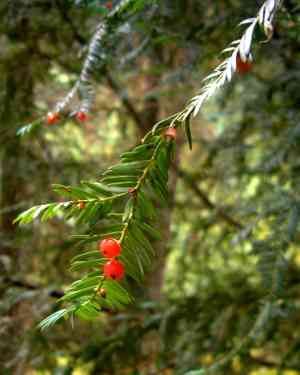
Pacific yew (Taxus brevifolia)
Also known as: America Yew, Western yew
The Pacific yew (Taxus brevifolia) is an evergreen tree indigenous to the coastal areas of Western North America. Historically, Native Americans utilized its wood for crafting bows and paddles. Notably, this tree exhibits slow growth and a characteristic tendency to decay internally.
In This Article
Attributes of Pacific yew
Lifespan
Perennial
Plant Type
Tree
Plant Height
10 m to 15 m
Spread
3 m to 6 m
Leaf Color
Green Yellow Blue Gold
Flower Size
3 mm to 6 mm
Flower Color
Yellow Green Gold
Images of Pacific yew
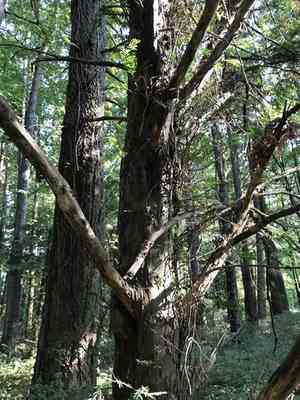
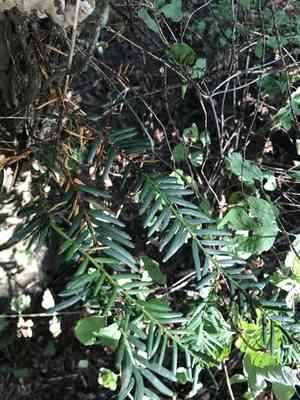
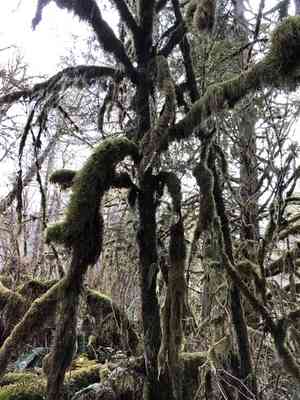
Quickly Identify Pacific yew
1
Flat, dark green needles in a short, broad shape.
2
Distinctive red arils enveloping firm brown seeds.
3
Yellow-green upper leaf side with a lighter underside.
4
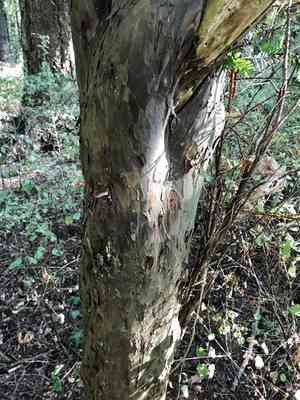
Bark with thin, scale-like layers in vibrant colors.
5
Male flowers releasing fine yellow pollen cones.
Scientific Classification of Pacific yew
Phylum
Vascular plants
Class
Conifers
Order
Pinales
Family
Yew
Genus
Yews
Species
Pacific yew
Planting and Growing of Pacific yew
Care Difficulty
Hard
Watering Schedule
Every 2 days
Sunlight Requirements
Partial sun
Sunshine Duration
4-8 hours
Ideal Temperature
59-68℉
Soil Type
Potting Mix, Peat Mix
Soil pH
5.5-7
Fertilizer Type
Balanced
Pruning Season
Spring, Summer
Pruning Area
Branches, Leaves
Pruning Frequency
2 times a year
Repotting Season
Spring
Pot Type
Plastic, Ceramic
 How to Water Pacific yew?
Taxus brevifolia prefers a moderate watering regime where the soil is kept slightly moist but not waterlogged. It's crucial to ensure that the plant receives around 500 ml of water per session. Water until you notice it just starting to drain from the bottom of the pot.
What are the symptoms of an underwatered Pacific yew?
›
What should I do if my Pacific yew is not getting enough water?
›
What are the symptoms of an overwatered Pacific yew?
›
How to save an overwatered Pacific yew?
›
 What Are the Sunlight Requirements for Pacific yew?
Partial sun exposure is ideal, ensuring the plant receives energy for photosynthesis while mitigating risks of scorching. Such conditions foster robust and healthy foliage.
More About Sunlight Requirements Techniques→
How much sunlight does Taxus brevifolia need?
›
What is the best way to provide ideal lighting?
›
Why is partial sun important for Taxus brevifolia?
›
 What Is the Ideal Temperature Range for Pacific yew?
Taxus brevifolia thrives best within a temperature range of 59°F to 68°F, which resembles its natural habitat in temperate forest regions. These conditions provide adequate warmth for metabolic processes without causing heat stress.
 What Soil is Best for Pacific yew?
Taxus brevifolia thrives in well-drained soil, which prevents waterlogging and root rot. This is beneficial as it helps maintain the plant's vitality and encourages proper root development. Although the soil should be well-drained, it also needs to retain moisture to keep the plant hydrated. This balance aids in maintaining the plant's lush foliage, contributing to its aesthetic appeal. A nutrient-rich soil is vital for the healthy growth of Taxus brevifolia as it provides the necessary elements for photosynthesis and resilience against pests and diseases, ensuring a sturdy, healthy plant.
 How to Fertilize Pacific yew?
When fertilizing Taxus brevifolia, a moderate approach is best. Use a balanced 10-10-10 NPK formula applying no more than 2 to 3 pounds per 100 square feet of planting area annually. Adjust based on plant health.
 How to Prune Pacific yew?
Start by removing any dead, damaged, or diseased wood, which helps maintain plant health and prevents infections. Next, trim back branches to maintain the desired size and shape, ensuring to make clean cuts at an angle above a bud or branch junction to encourage new growth. To shape the plant, cut back overgrown branches selectively, working from the canopy's top downward to maintain an even shape. It's crucial not to remove more than one-third of the plant in a single pruning session to avoid shocking the plant and impeding its growth.
More About Pruning Techniques→
 How to Propagate Pacific yew plant?
1
Choose healthy seeds or semi-hardwood cuttings. For seeds, ensure they are fully ripe; for cuttings, select disease-free sections, approximately 4 to 6 inches long.
2
Sow seeds in a prepared seed tray with a mix of sand and peat. Lightly cover with the medium and water gently to settle the mix without displacing seeds. Maintain consistent moisture.
3
Dip the base of the cutting in rooting hormone and insert it halfway into a well-draining medium. Keep them at a 45-degree angle, ensuring they're evenly spaced.
 How to Repot Pacific yew plant?
1
Watch for signs such as roots poking out of the pot's drainage holes or the plant becoming top-heavy. These indicate the plant has outgrown its current pot and the optimal time for repotting is during its growth periods, namely spring or autumn.
2
Choose a pot that is one size larger than the current pot. Opt for one with ample drainage holes to prevent waterlogging. The right size ensures enough space for root growth, promotes better nutrient absorption, and minimizes root-bound conditions.
3
Use a well-draining loamy mix. This soil type retains enough moisture while allowing excess water to drain away, preventing root rot. Additionally, it provides essential nutrients, supporting the healthy growth of Taxus brevifolia.
Toxicity
Ingestion
WARNING
The judgment on toxicity and danger is for reference only. We DO NOT GUARANTEE any accuracy of such judgment. Therefore, you SHALL NOT rely on such judgment. It is IMPORTANT TO SEEK PROFESSIONAL ADVICE in advance when necessary.



