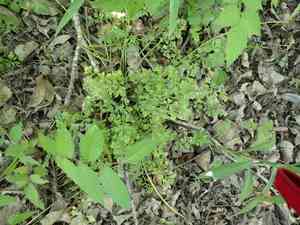
Texas umbrellawort (Tauschia texana)
Also known as: No known aliases
Texas umbrellawort (Tauschia texana) is a perennial herb known for its umbrella-like clusters of small yellow flowers and finely divided leaves. It flourishes in the rocky limestone soils of the Edwards Plateau in Texas. This resilient plant features a rosette of basal leaves and a deep taproot, ensuring access to water and stability in its arid environment. The plant's unique flower clusters attract local pollinators, contributing to the region's ecological balance.
In This Article
Attributes of Texas umbrellawort
Lifespan
Perennial
Plant Type
Herb
Plant Height
30-60 cm
Spread
No specified crown diameter, it forms multiple stems.
Leaf Color
Green
Flower Size
Approximately 2-4 mm per individual flower, arranged in umbels that can be several centimeters across.
Flower Color
Yellow
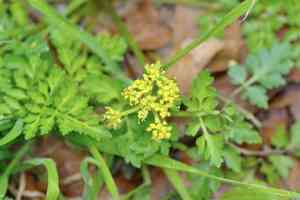
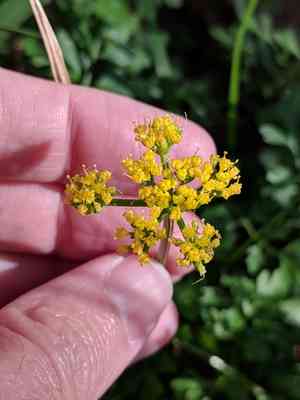
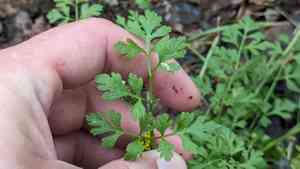
Images of Texas umbrellawort
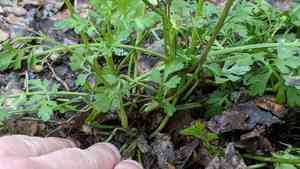
Quickly Identify Texas umbrellawort
1
The plant can be identified by its pinnate leaves, umbel-shaped clusters of small yellow flowers, and grooved stems. It often blooms in the spring and can be found in dry, open habitats.
Scientific Classification of Texas umbrellawort
Phylum
Vascular plants
Class
Dicotyledons
Order
Apiales
Family
Umbellifers
Genus
Tauschia
Species
Texas umbrellawort
Planting and Growing of Texas umbrellawort
Care Difficulty
Moderate
Watering Schedule
Every 2 days
Sunlight Requirements
Full sun
Sunshine Duration
6-10 hours
Ideal Temperature
65-75℉
Soil Type
Potting Mix
Soil pH
6.5-7.5
Fertilizer Type
Balanced
Pruning Season
Spring, Summer
Pruning Area
Branches, Leaves
Pruning Frequency
2 times a year
Repotting Season
Spring
Pot Type
Plastic, Ceramic
 How to Water Texas umbrellawort?
When watering Tauschia texana, you should aim for about 200 ml per session. This plant prefers its root zone to be consistently moist but not waterlogged. It's essential to allow excess water to drain away completely to prevent root rot. Gauging the soil moisture by inserting your finger a few centimeters into the soil can help ensure you're meeting this criterion.
What are the symptoms of an underwatered Texas umbrellawort?
›
What should I do if my Texas umbrellawort is not getting enough water?
›
What are the symptoms of an overwatered Texas umbrellawort?
›
How to save an overwatered Texas umbrellawort?
›
 What Are the Sunlight Requirements for Texas umbrellawort?
Tauschia texana thrives best with full sun exposure, ideally 6-8 hours of sunlight daily. Providing this environment ensures efficient photosynthesis, promoting vigorous growth and optimal physiological function, resulting in vibrant leaf pigmentation and robust health.
Optimal Lighting Question 1
›
Optimal Lighting Question 2
›
Optimal Lighting Question 3
›
 What Is the Ideal Temperature Range for Texas umbrellawort?
The ideal temperature range for growing Tauschia texana is between 65°F and 75°F. This range allows for optimal photosynthesis and healthy development. Plant growth can be significantly affected outside this temperature band, leading to stunted growth or other physiological stress symptoms.
 What Soil is Best for Texas umbrellawort?
Tauschia texana thrives best in well-drained soil to prevent root rot. This type of soil allows water to move freely, providing roots with access to moisture while preventing water from sitting and creating anaerobic conditions. A well-drained environment ensures prolonged plant health and improves growth. For optimal growth, plant Tauschia texana in nutrient-rich soil. Incorporating organic matter like compost boosts the soil's nutrient profile, ensuring the plant gets the essential minerals it needs for vital functions and enhanced flowering. Tauschia texana prefers soil with moderate moisture retention. This balance ensures the plant doesn't suffer from drought stress while avoiding overly wet conditions. Consistent moisture availability encourages robust root development and overall plant vigor.
 How to Fertilize Texas umbrellawort?
Tauschia texana requires a balanced approach to fertilization to thrive. A general guideline is to apply a balanced liquid fertilizer at a concentration of 1/4 strength of the recommended dosage. This ensures a steady supply of nutrients without overwhelming the plant's root system.
 How to Prune Texas umbrellawort?
Begin by identifying old or dying growth on your plant. These are typically woody and can be pruned back to the base to encourage new growth. To encourage bushier growth, occasionally pinch the tips of the plant. This stimulates new lateral shoots without compromising the plant's health.
More About Pruning Techniques→
 How to Propagate Texas umbrellawort plant?
1
Fill the seed tray with a suitable potting mix. Level the surface gently without compacting the soil. Proper soil preparation ensures good seed-to-soil contact, which is necessary for germination.
2
Spread the Tauschia texana seeds evenly across the surface of the soil. Lightly press them into the soil without covering them completely, as light aids in their germination process.
3
Gently mist the surface of the soil with water to moisten. Maintain a consistently damp substrate, ensuring that it never becomes waterlogged, as this could lead to seed rot or hinder germination.
 How to Repot Texas umbrellawort plant?
1
Tauschia texana needs repotting when its roots start circling the pot or growing out of the drainage holes. If you notice the plant's growth has stalled despite receiving adequate care, that is another sign. Furthermore, if the soil becomes compacted and does not retain moisture properly, it's time for a repot.
2
Choose a pot that is 1-2 inches larger in diameter than the current one. Ensure it has sufficient drainage holes to prevent waterlogging. A slightly larger pot will provide the roots room to grow, enhancing the plant's ability to uptake nutrients and water efficiently, promoting healthier growth.
3
Select a well-draining sandy soil mix for Tauschia texana. Such soil prevents water from collecting around the roots, reducing the risk of root rot. The sandy texture allows for optimal air circulation and drainage, facilitating vigorous root development and overall plant health.
Learn More About Texas umbrellawort Diseases
Anthracnose
Bacterial Leaf Spot
Bacterial Wilt
Crown Gall
Cyst Nematode
Damping-off
Downy Mildew
Drought Stress
Fusarium Wilt
Gray Mold
Leaf Spot
Mosaic
Nutrient Deficiency
Nutrient Toxicity
Powdery Mildew
Root Rot
Root-knot Nematode
Rusts
Sooty Mold
Spider Mites
Temperature Stress
Thrips Damage
White Mold



