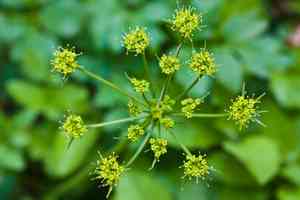
Hartweg's umbrellawort (Tauschia hartwegii)
Also known as: Hartweg's Tauschia
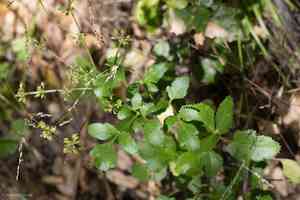
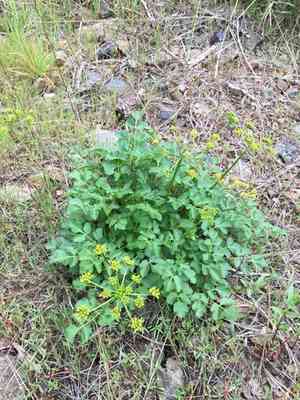
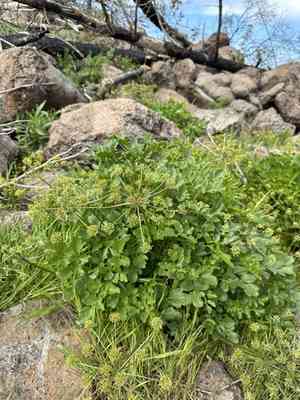
This perennial herb grows between 30 centimeters and 1 meter in height. It has a covering of short, coarse hairs. Its leaves are composed of oval leaflets with serrated edges, attached to the stem by long petioles.
In This Article
Attributes of Hartweg's umbrellawort
Lifespan
Perennial
Plant Type
Herb
Plant Height
Approximately 60 cm
Spread
Not typically measured for this species
Leaf Color
Green
Flower Size
Approximately 0.5 cm
Flower Color
Yellow
Images of Hartweg's umbrellawort
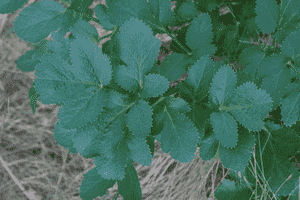
Quickly Identify Hartweg's umbrellawort
1
To identify Tauschia hartwegii, look for its compound leaves and small yellow flowers arranged in umbels. In addition, the plant has a distinctive erect stem and can grow up to about 60 cm in height.
Scientific Classification of Hartweg's umbrellawort
Phylum
Vascular plants
Class
Dicotyledons
Order
Apiales
Family
Umbellifers
Genus
Tauschia
Species
Hartweg's umbrellawort
Planting and Growing of Hartweg's umbrellawort
Care Difficulty
Moderate
Watering Schedule
Every 2 days
Sunlight Requirements
Partial sun
Sunshine Duration
6-10 hours
Ideal Temperature
60-75℉
Soil Type
Potting Mix, Peat Mix
Soil pH
6.5-7.5
Fertilizer Type
Balanced
Pruning Season
Spring, Summer
Pruning Area
Branches, Leaves
Pruning Frequency
2 times a year
Repotting Season
Spring
Pot Type
Plastic, Ceramic
 How to Water Hartweg's umbrellawort?
When watering Tauschia hartwegii, aim for approximately 250 milliliters each time. Ensure the water permeates gently through the soil until it feels moderately moist but not waterlogged. It's crucial to avoid leaving excess water in the pot saucer, as this can cause root rot by promoting soggy soil conditions. Watering should be thorough enough to saturate the soil without drowning the plant's roots.
What are the symptoms of an underwatered Hartweg's umbrellawort?
›
What should I do if my Hartweg's umbrellawort is not getting enough water?
›
What are the symptoms of an overwatered Hartweg's umbrellawort?
›
How to save an overwatered Hartweg's umbrellawort?
›
 What Are the Sunlight Requirements for Hartweg's umbrellawort?
Partial sun exposure daily helps Tauschia hartwegii photosynthesize efficiently and maintain robust health. It ensures balanced growth and reduces the risk of extremes in environmental stress.
What is the optimal lighting for Tauschia hartwegii?
›
How can you achieve ideal lighting conditions?
›
What are the benefits of ideal lighting?
›
 What Is the Ideal Temperature Range for Hartweg's umbrellawort?
Tauschia hartwegii thrives best within an ideal temperature range of 60 to 75°F. This range provides optimal conditions for photosynthesis and other vital physiological processes. Maintaining this temperature ensures healthy growth and development, supporting plant vigor and overall health.
 What Soil is Best for Hartweg's umbrellawort?
Tauschia hartwegii thrives in soil that has excellent drainage. This helps prevent root rot and ensures that the plant receives adequate oxygen supply, essential for healthy growth. The plant benefits from soil with a moderate nutrient profile, as excessive nutrients can lead to lanky growth while too little can stunt its development. Balanced nutrition supports robust and vibrant foliage. Incorporating organic matter into the soil encourages beneficial microbial activity and improves soil texture. This not only enhances nutrient availability but also improves root growth and overall plant vitality.
 How to Fertilize Hartweg's umbrellawort?
Tauschia hartwegii will benefit from a moderate application of fertilizer. For liquid fertilizers, use a water-soluble formula with a balanced NPK ratio. Mix 1 tablespoon per gallon of water and apply it during its growth period.
 How to Prune Hartweg's umbrellawort?
Start by identifying any dead, diseased, or damaged stems. These should be your priority for removal. Next, look for overcrowded areas, as improving air circulation within the plant can significantly enhance its overall health. Make your cuts at a 45-degree angle to promote faster healing. This angle also allows water to run off, reducing the chances of rot. Focus on cutting just above a healthy lateral bud to encourage new, robust growth. After pruning, be sure to collect and dispose of all removed plant material. This helps in preventing the spread of any disease or pests that might have been present in the cut sections.
More About Pruning Techniques→
 How to Propagate Hartweg's umbrellawort plant?
1
Begin by filling your seed tray with a suitable potting mix. Ensure it's evenly spread, leaving a slight gap at the top. This preparation ensures that once you sow the seeds, they'll rest on a well-aerated medium.
2
Sprinkle the Tauschia hartwegii seeds evenly across the potting mix surface. Lightly press them into the soil without burying them too deep, as this can impede germination.
3
Using a mist spray, gently water the seeds. It is crucial to keep the soil moist but not overly wet. This balances moisture level necessary for seed germination without causing rot.
 How to Repot Hartweg's umbrellawort plant?
1
Repotting Tauschia hartwegii should be considered when you observe roots growing through the drainage holes, the plant becomes top-heavy, or soil loses its structure and fertility. A healthy plant shows vigorous growth and abundant foliage; if these decline, it might be time to repot.
2
Select a pot with adequate drainage holes and about 2-3 inches wider than the current one to allow room for growth. A terracotta pot is ideal as it promotes good airflow and moisture balance, preventing waterlogging and root rot while providing stability for the plant.
3
Opt for a well-drained sandy loam, which promotes proper aeration while retaining enough moisture to nourish the roots. This soil type prevents excess water retention, ensuring that the roots of Tauschia hartwegii remain healthy and free from rot.
Learn More About Hartweg's umbrellawort Diseases
Bacterial Leaf Spot
Bacterial Soft Rot
Bacterial Wilt
Chemical Injury
Crown Gall
Cyst Nematode
Damping-off
Downy Mildew
Drought Stress
Fusarium Wilt
Gray Mold
Leaf Curl
Leaf Spot
Mosaic
Nutrient Deficiency
Nutrient Toxicity
Powdery Mildew
Root Rot
Root-knot Nematode
Rusts
Sooty Mold
Spider Mites
Temperature Stress
Thrips Damage
White Mold



