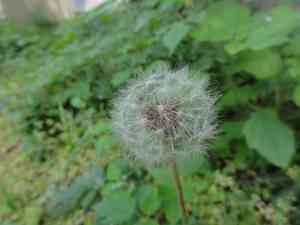
Dandelion (Taraxacum mongolicum)
Also known as: Mongolian dandelion
Taraxacum mongolicum, commonly known as Mongolian Dandelion, is part of the dandelion family and is native to China and Mongolia. Its name highlights the toothed edges of its leaves. While not commonly consumed in the West, nearly all parts of the plant are edible. The leaves and flowers are often added to salads, and tea can be brewed from the flowers, roots, and leaves. Additionally, the roots can be dried, roasted, and used as a coffee alternative.
In This Article
Attributes of Dandelion
Lifespan
Perennial
Plant Type
Herb
Plant Height
20 cm
Spread
15-30 cm
Leaf Color
Green Blue
Flower Size
1 cm to 5 cm
Flower Color
White Yellow
Images of Dandelion
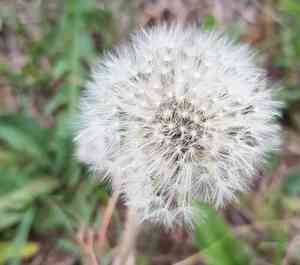
Quickly Identify Dandelion
1
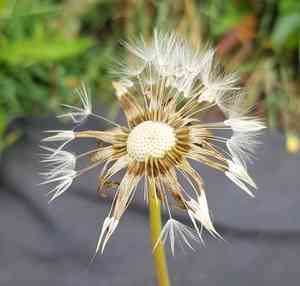
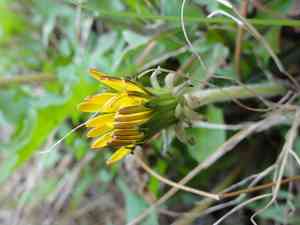
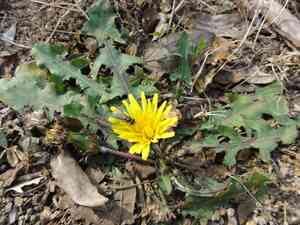
Taraxacum mongolicum can be identified by its deeply lobed leaves that form a rosette at the base, bright yellow flowers that bloom in clusters on hollow stems, and characteristic puffball seed heads that disperse seeds with the wind.
Scientific Classification of Dandelion
Phylum
Vascular plants
Class
Dicotyledons
Order
Asters bellflowers fanflowers and allies
Family
Daisy
Genus
Dandelions
Species
Dandelion
Planting and Growing of Dandelion
Care Difficulty
Easy
Watering Schedule
Every 6 days
Sunlight Requirements
Full sun
Sunshine Duration
4-6 hours
Ideal Temperature
60-75℉
Soil Type
Potting Mix, Peat Mix
Soil pH
6.5-7.5
Fertilizer Type
Balanced
Pruning Season
Spring, Summer
Pruning Area
Branches, Leaves
Pruning Frequency
2 times a year
Repotting Season
Spring
Pot Type
Plastic, Terracotta
 How to Water Dandelion?
Taraxacum mongolicum, commonly known as Mongolian Dandelion, thrives under moderate watering conditions. A general rule of thumb is to ensure the water soaks approximately 2-3 inches into the soil. This assures the roots are adequately hydrated without oversaturating the soil, which could lead to root rot.
What are the symptoms of an underwatered Dandelion?
›
What should I do if my Dandelion is not getting enough water?
›
What are the symptoms of an overwatered Dandelion?
›
How to save an overwatered Dandelion?
›
 What Are the Sunlight Requirements for Dandelion?
Taraxacum mongolicum ideally requires full to partial sun, benefiting from at least six hours daily. This range supports robust growth, vibrant flowers, and efficient photosynthetic activity.
More About Sunlight Requirements Techniques→
Preferred Sunlight Amount
›
Solutions for Ideal Lighting
›
Benefits of Ideal Lighting Conditions
›
 What Is the Ideal Temperature Range for Dandelion?
Taraxacum mongolicum thrives best in temperatures ranging from 60°F to 75°F. These conditions allow optimal physiological activities such as photosynthesis and nutrient absorption, supporting robust growth and development. Maintaining this range ensures that the plant remains healthy and productive.
 What Soil is Best for Dandelion?
Taraxacum mongolicum thrives in well-drained soil as it allows excess water to move away, preventing root rot and other moisture stress-related problems. This ensures healthier growth and abundant flowering. A rich nutrient soil is crucial for the growth of Taraxacum mongolicum. It supports robust leaf and flower development by providing the necessary minerals and organic matter essential for its growth, promoting lush foliage and vibrant blooms. While this plant prefers well-drained soil, it benefits from soil that retains moderate moisture. This balance prevents the plant from drying out between waterings, ensuring continuous nutrient uptake and sustained growth.
 How to Fertilize Dandelion?
The Dandelion (Taraxacum mongolicum) requires moderate fertilization. Use a balanced liquid fertilizer at half strength, approximately 1 tablespoon per gallon of water, applied evenly. For solid fertilizers, use around a quarter cup per plant, ensuring that it is well-dispersed in the soil. Over-fertilization can lead to excessive leaf growth at the expense of flowers.
 How to Prune Dandelion?
To prune Taraxacum mongolicum effectively, start by assessing the plant for any overcrowded, dead, or damaged leaves and stems. Use clean, sharp scissors or gardening shears to trim these parts close to the base of the plant. Make sure to cut at an angle to prevent water from pooling on the cut surface. Regular pruning will encourage a bushier growth habit, improving the plant's overall health and appearance. After pruning, collect any fallen cuttings and dispose of them properly to prevent disease spread. It’s important to clean your tools with a mild disinfectant to avoid transferring any potential pathogens to your next pruning project. Maintaining cleanliness in both your tools and the surrounding garden area is crucial for minimizing disease risks to Taraxacum mongolicum and ensuring a thriving environment for all your plants.
More About Pruning Techniques→
 How to Propagate Dandelion plant?
1
Choose a well-draining potting mix to fill your seed tray. Lightly tamp down the soil to create a firm surface for the seeds. Ensure the soil is evenly moist but not soggy before sowing the seeds.
2
Scatter the Taraxacum mongolicum seeds evenly across the prepared soil surface. Press the seeds lightly into the soil but do not cover them, as light is necessary for germination. Mist the surface to keep seeds in contact with the soil.
3
Place the seed tray in a location that receives indirect light and maintains a temperature between 15-20°C (59-68°F). Consistent light exposure will facilitate germination, which typically occurs within 10 to 14 days.
 How to Repot Dandelion plant?
1
Taraxacum mongolicum shows signs of needing repotting when its roots start protruding from drainage holes, growth becomes stunted, or soil dries out too quickly. These signals typically suggest that the plant has outgrown its pot, and it's time to move to a larger one.
2
Opt for a pot that's approximately one size larger than the current one, with ample drainage holes to prevent waterlogging. A terracotta pot is ideal as it allows air flow and moisture regulation, which can help in preventing root rot while promoting healthy growth.
3
Select a well-draining loamy soil mix with good aeration. Loamy soil balances sand, silt, and clay properties, ensuring that excess moisture is drained while retaining necessary nutrients and supporting the plant's healthy development.
Learn More About Dandelion Diseases
Anthracnose
Bacterial Leaf Spot
Bacterial Soft Rot
Bacterial Wilt
Chemical Injury
Damping-off
Downy Mildew
Drought Stress
Fusarium Wilt
Gray Mold
Leaf Spot
Mosaic
Nutrient Deficiency
Nutrient Toxicity
Powdery Mildew
Root Rot
Root-knot Nematode
Rusts
Sooty Mold
Spider Mites
Temperature Stress
Thrips Damage
White Mold



