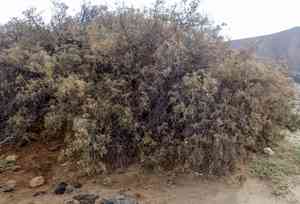
Canary islands tamarisk (Tamarix canariensis)
Also known as: Canarian tamarisk
Tamarix canariensis is a flowering plant belonging to the Tamaricaceae family, typically growing as a shrub or small tree up to 4 meters in height. Originally thought to be native to regions of Macaronesia, northern Africa, and southwestern Europe, it is now recognized as being confined to the Canary Islands. The species found in African and European regions have been reclassified as Tamarix gallica. Carl Ludwig Willdenow first described Tamarix canariensis in 1816.
In This Article
Attributes of Canary islands tamarisk
Lifespan
Perennial
Plant Type
Tree, Shrub
Plant Height
2 to 5 meters (6.5 to 16.5 feet)
Spread
1.5 to 3 meters (5 to 10 feet)
Leaf Color
Green or bluish-green
Flower Size
Small (typically less than 1 cm in diameter)
Flower Color
Pink or white
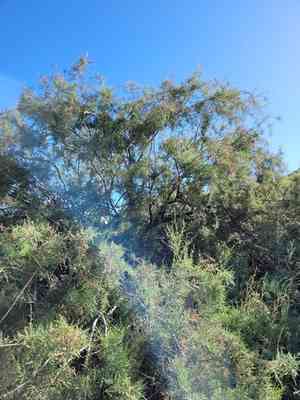
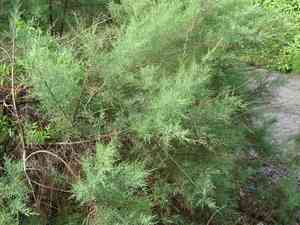
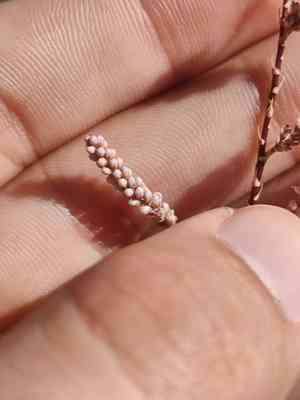
Images of Canary islands tamarisk
Quickly Identify Canary islands tamarisk
1
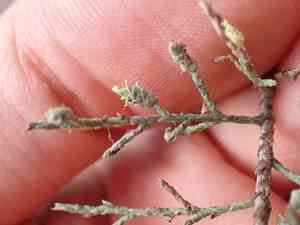
Look for its slender, feathery branches with small, scale-like leaves. The flowers are small and typically pink, grouped in dense clusters. The plant often grows in salty or brackish environments.
Scientific Classification of Canary islands tamarisk
Phylum
Vascular plants
Class
Dicotyledons
Order
Caryophyllales
Family
Tamarisk
Genus
Tamarisks
Species
Canary islands tamarisk
Planting and Growing of Canary islands tamarisk
Care Difficulty
Easy
Watering Schedule
Every day
Sunlight Requirements
Full sun
Sunshine Duration
10-12 hours
Ideal Temperature
59-86℉
Soil Type
Potting Mix, Peat Mix
Soil pH
6.5-7.8
Fertilizer Type
Balanced
Pruning Season
Spring, Summer
Pruning Area
Branches, Leaves
Pruning Frequency
2 times a year
Repotting Season
Spring
Pot Type
Plastic, Ceramic
 How to Water Canary islands tamarisk?
Tamarix canariensis requires a generous soaking, about 1000 milliliters per session, to thoroughly moisten the soil. Ensure water penetrates deeply to reach the roots, while avoiding waterlogging. This approach mimics its natural habitat where sporadic but thorough rainfalls sustain its growth.
What are the symptoms of an underwatered Canary islands tamarisk?
›
What should I do if my Canary islands tamarisk is not getting enough water?
›
What are the symptoms of an overwatered Canary islands tamarisk?
›
How to save an overwatered Canary islands tamarisk?
›
 What Are the Sunlight Requirements for Canary islands tamarisk?
Tamarix canariensis thrives in full to partial sunlight, with significant benefits such as enhanced flowering and foliage brightness. Adequate light exposure optimizes photosynthesis, crucial for its health and growth.
What is the ideal lighting setup?
›
How can I achieve ideal light conditions?
›
What benefits come from ideal lighting?
›
 What Is the Ideal Temperature Range for Canary islands tamarisk?
The ideal temperature range for Tamarix canariensis to thrive is between 59°F and 86°F. Within these temperatures, the plant can efficiently photosynthesize and metabolize, leading to healthy growth and vibrant foliage. Ensuring that the plant is kept within this range maximizes its flowering potential and overall health.
 What Soil is Best for Canary islands tamarisk?
Tamarix canariensis thrives in well-drained soils which prevent waterlogging and root rot. This type of soil structure ensures that the roots receive sufficient oxygen and minimizes the risk of diseases. This plant benefits from nutrient-rich soils that supply essential minerals for vigorous growth. A soil enriched with compost or organic matter can improve fertility and encourage healthy foliage. While not overly demanding, maintaining moderate moisture levels in the soil helps Tamarix canariensis sustain its growth without the stress of drought conditions, essential for regions with varying rainfall.
 How to Fertilize Canary islands tamarisk?
For Tamarix canariensis, apply a balanced liquid fertilizer at a rate of one teaspoon per gallon of water. This should be administered every two weeks during the growing season to ensure optimal nutrient uptake.
 How to Prune Canary islands tamarisk?
Start by removing any dead, diseased, or crossing branches. These branches not only hinder the plant's aesthetic appeal but also pose a risk for disease spread. Ensure cuts are made close to the base without damaging the main stem. Trim back any excessively long branches to maintain a balanced shape. Tamarix canariensis naturally forms a graceful shape, and pruning can help encourage this form by guiding growth patterns and removing any wayward shoots. Thinning the crown to allow sunlight and air to penetrate through the plant is crucial. This reduces fungal issues and allows inner branches to flourish, promoting a healthy growth environment.
More About Pruning Techniques→
 How to Propagate Canary islands tamarisk plant?
1
Choose healthy, disease-free plants as the source for cuttings or seed collection. This ensures the best chance of successful propagation, with robust growth in the new plant.
2
Take cuttings about 10 cm in length, removing the lower leaves. Dip the cut end into rooting hormone powder or gel before placing it in a well-draining potting mix.
3
Insert the prepared cuttings into pots filled with a suitable growing medium. Keep the soil moist but not waterlogged, and provide indirect sunlight for optimal growth conditions.
 How to Repot Canary islands tamarisk plant?
1
Repot Tamarix canariensis when you observe that the roots start to emerge from the drainage holes or the plant begins to outgrow its current container. In spring or summer, these active growth periods minimize shock and enable swift recovery and adaptation to the new environment.
2
Select a pot that is 2-3 inches larger in diameter than the current one. A medium that offers excellent drainage, like a terracotta pot, is ideal. This prevents waterlogging and promotes a healthy root environment by allowing excess moisture to evaporate through the porous sides.
3
Opt for sandy, well-draining soil. Tamarix canariensis thrives in soil conditions that mimic its natural habitat, promoting aeration and preventing root rot. This soil type allows the roots to breathe and prevents compaction for optimal growth.



