Tamarind (Tamarindus) (Tamarindus)
Also known as: Indian Date, Tamarind
Tamarindus indica, commonly known as tamarind, is a leguminous tree in the family Fabaceae. The tree is native to tropical Africa but has been introduced to other regions and widely cultivated. Tamarind produces elongated brown pods containing edible, tangy pulp that is used in cuisines around the world.
In This Article
Attributes of Tamarind (Tamarindus)
Lifespan
Perennial
Plant Height
12 to 18 meters
Spread
8 to 14 meters
Leaf Color
Green
Flower Size
1 to 1.5 centimeters
Flower Color
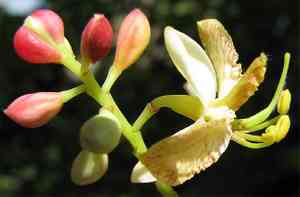
Yellow with red streaks
Images of Tamarind (Tamarindus)
Quickly Identify Tamarind (Tamarindus)
1
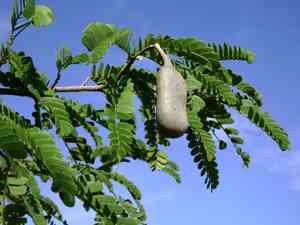
Tamarind trees can be identified by their rough, dark grey bark and dense, irregular canopy. The leaves are pinnate with small, elliptic leaflets that close at night. The fruit is a curved, brown pod containing a sticky, sweet-sour pulp and flat, shiny brown seeds.
Scientific Classification of Tamarind (Tamarindus)
Phylum
Magnoliophyta
Class
Magnoliopsida
Order
Fabales
Family
Fabaceae
Genus
Tamarindus
Planting and Growing of Tamarind (Tamarindus)
Care Difficulty
Moderate
Watering Schedule
Every 3 days
Sunlight Requirements
Full sun
Sunshine Duration
10-12 hours
Ideal Temperature
68-86℉
Soil Type
Potting Mix, Peat Mix
Soil pH
4.5-8.5
Fertilizer Type
Balanced
Pruning Season
Spring, Summer
Pruning Area
Branches, Leaves
Pruning Frequency
2 times a year
Repotting Season
Spring
Pot Type
Ceramic, Plastic
 How to Water Tamarind (Tamarindus)?
For Tamarindus plants, maintain a watering regime that lets the soil dry slightly between waterings. Pour approximately 500 ml of water, enough to keep the soil moist but not soggy. The water should be evenly distributed around the base to ensure the root zone is adequately hydrated without waterlogging.
What are the symptoms of an underwatered Tamarind (Tamarindus)?
›
What should I do if my Tamarind (Tamarindus) is not getting enough water?
›
What are the symptoms of an overwatered Tamarind (Tamarindus)?
›
How to save an overwatered Tamarind (Tamarindus)?
›
 What Are the Sunlight Requirements for Tamarind (Tamarindus)?
Tamarindus thrives best in full to partial sun environments, with 6 to 8 hours of sunlight. This ensures healthy growth and maximum fruit yield.
How much sunlight does Tamarindus need?
›
What solutions can help achieve ideal lighting?
›
What benefits occur with ideal lighting?
›
 What Is the Ideal Temperature Range for Tamarind (Tamarindus)?
The ideal temperature range for Tamarindus plants to thrive falls between 68°F and 86°F. Within this range, the plant can efficiently perform photosynthesis and other metabolic processes. Achieving this temperature range ensures optimal growth and robust health of the plant.
 What Soil is Best for Tamarind (Tamarindus)?
Tamarind trees thrive best in nutrient-rich loam or sandy loam soils. This is because such soils provide essential minerals that enhance their growth, improving both fruit quality and yield. Nutrient-rich soils also ensure that the plant develops a robust root system, vital for stability and nutrient uptake. These plants require well-draining soil to prevent waterlogged conditions. Excess water in non-draining soils can lead to root rot, a primary enemy of tamarind trees. A well-draining loam soil allows for optimal moisture levels, encouraging healthy root and plant development. Tamarind trees prefer a soil pH that ranges from 4.5 to 8.5. A slightly acidic to neutral pH level ensures that essential nutrients are readily available, enhancing the tree’s ability to absorb nutrients while also sustaining beneficial soil microorganisms.
 How to Fertilize Tamarind (Tamarindus)?
For Tamarindus, a mature tree needs around 150 grams of nitrogen, 100 grams of phosphorus, and 150 grams of potassium annually. However, younger plants require less, with amounts gradually increasing as the tree matures, ensuring balanced nutrient supply.
 How to Prune Tamarind (Tamarindus)?
Before you start pruning your Tamarind tree, gather all necessary tools like pruning shears, loppers, and a pruning saw. Ensure they are clean and sharp to make precise cuts and reduce the risk of disease. Start by removing any dead, damaged, or diseased branches. Look for cross branches that rub against each other and remove the weaker one to open up the tree’s canopy. Focus on encouraging an open and balanced structure to improve light penetration and air circulation.
 How to Propagate Tamarind (Tamarindus) plant?
1
Before planting, soak tamarind seeds in warm water for 24 hours to soften their hard seed coat. This helps in faster germination by allowing moisture to penetrate more easily.
2
Take healthy cuttings about 6 inches long from a mature tamarind plant. Remove the lower leaves and plant them in a potting mix, ensuring at least 2 nodes are buried for root development.
3
Select a healthy rootstock and a scion. Make a slanting cut in both and bind them together using grafting tape. Make sure the cambium layers align for successful integration.
 How to Repot Tamarind (Tamarindus) plant?
1
Look for signs such as roots appearing at the surface or through the drainage holes of the pot. If the Tamarindus tree looks oversized for its pot or if growth has slowed significantly, it's time to repot.
2
Select a pot that is slightly larger than the current one with drainage holes at the bottom. This promotes good airflow for the roots and prevents waterlogging, which is critical for plant health.
3
Use a well-draining and nutrient-rich soil mix to ensure the Tamarindus tree has the right balance of moisture retention and drainage, beneficial for reducing root rot risks.
Learn More About Tamarind (Tamarindus) Diseases
Anthracnose
Bacterial Leaf Spot
Bacterial Soft Rot
Bacterial Wilt
Crown Gall
Cyst Nematode
Damping-off
Downy Mildew
Drought Stress
Fusarium Wilt
Gray Mold
Leaf Curl
Leaf Spot
Mosaic
Nutrient Deficiency
Nutrient Toxicity
Powdery Mildew
Root Rot
Root-knot Nematode
Rusts
Sooty Mold
Spider Mites
Temperature Stress
Thrips Damage
White Mold

