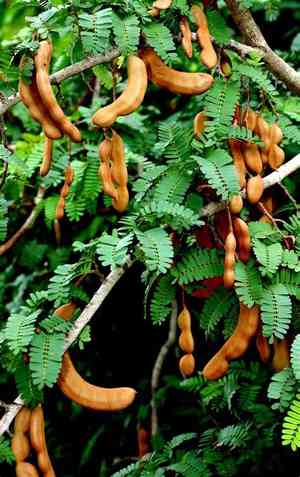
Tamarind (Tamarindus indica)
Also known as: Indian tamarind
Tamarind trees, known for their durable wood and edible fruits, produce brown seed pods containing a tangy, sweet-sour pulp. This versatile pulp is a staple in global cuisines, enhancing the flavor of sauces, chutneys, soups, beverages, and desserts. Additionally, tamarind pulp finds use beyond the kitchen, serving as an effective metal polish.
In This Article
Attributes of Tamarind
Lifespan
Perennial
Plant Type
Tree
Plant Height
12 m to 18 m
Spread
9 m to 15 m
Leaf Color
Green Orange
Flower Size
2.5 cm
Flower Color
Yellow Orange Pink Red
Images of Tamarind
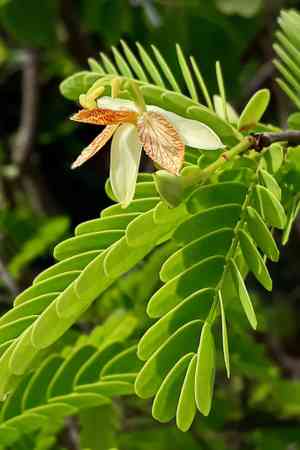
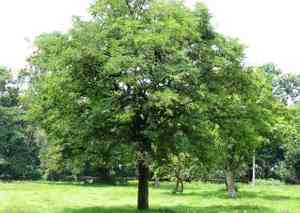
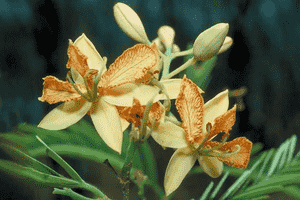
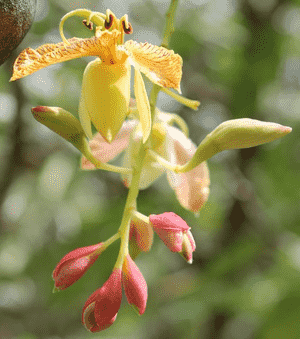
Quickly Identify Tamarind
1
Tamarind can be identified by its compound leaves made up of numerous small, oblong leaflets, and its pod-like fruits containing a tangy, edible pulp. The bark is rough and grayish-brown.
Scientific Classification of Tamarind
Phylum
Vascular plants
Class
Dicotyledons
Order
Legumes, milkworts and allies
Family
Legume
Genus
Tamarind
Species
Tamarind
Planting and Growing of Tamarind
Care Difficulty
Easy
Watering Schedule
Every 3 days
Sunlight Requirements
Full sun
Sunshine Duration
4-8 hours
Ideal Temperature
68-86℉
Soil Type
Potting Mix, Peat Mix
Soil pH
6.5-7.5
Fertilizer Type
Balanced
Pruning Season
Spring, Summer
Pruning Area
Branches, Leaves
Pruning Frequency
2 times a year
Repotting Season
Spring
Pot Type
Plastic, Terracotta
 How to Water Tamarind?
The tamarind tree, Tamarindus indica, requires a thorough watering approach. It is best to water until the soil is saturated and water drains from the bottom of the pot. This approach ensures that deeper roots receive adequate moisture, preventing superficial watering.
More About Watering Techniques→
What are the symptoms of an underwatered Tamarind?
›
What should I do if my Tamarind is not getting enough water?
›
What are the symptoms of an overwatered Tamarind?
›
How to save an overwatered Tamarind?
›
 What Are the Sunlight Requirements for Tamarind?
Tamarindus indica should ideally be exposed to full sun, meaning at least 6 to 8 hours of direct sunlight daily. Ideal light ensures vigorous growth, strong stem development, and plentiful fruit production.
More About Sunlight Requirements Techniques→
What is the ideal lighting condition for Tamarindus indica?
›
How can I achieve the ideal lighting for Tamarindus indica?
›
What are the benefits of providing ideal light conditions for Tamarindus indica?
›
 What Is the Ideal Temperature Range for Tamarind?
The ideal temperature range for Tamarindus indica is between 68°F and 86°F. Within this range, the plant experiences optimal growth, as the temperature supports enzymatic activities and physiological processes that are crucial for overall plant health. This range mimics the warm, tropical conditions of its native habitat.
 What Soil is Best for Tamarind?
Tamarindus indica thrives in soil enriched with organic matter, which supports its growth by providing essential nutrients. This helps in producing a robust tree with abundant foliage and fruit. Adequate drainage is crucial for tamarind, as waterlogged soil can lead to root rot. Well-drained soil allows roots to access oxygen, vital for health and growth. While drainage is important, tamarinds also benefit from soil that retains some moisture, ensuring the plant does not dry out during periods of drought, thus aiding in consistent growth.
More About Soil→
 How to Fertilize Tamarind?
Tamarind trees generally require moderate amounts of fertilizer. For optimal growth, apply a balanced fertilizer at the rate of about 1 pound per year of growth, up to 5 pounds for mature trees. This ensures a steady supply of nutrients without overwhelming the plant.
More About Fertilizing Techniques→
 How to Prune Tamarind?
Begin by inspecting the tamarind tree for any dead or diseased branches. These should be the first to go, as they can attract pests and hinder the tree's overall health. Gently shape the canopy by cutting back overgrown branches. Aim to create a balanced structure that allows sunlight to penetrate and air to circulate, promoting the tree's vigor. Remove any water shoots or suckers that appear at the base or on branches. These can divert energy from the main growth and affect fruit production.
More About Pruning Techniques→
 How to Propagate Tamarind plant?
1
Soak tamarind seeds in warm water for 24-48 hours to soften the seed coat. This improves germination rates by allowing moisture to penetrate the hard outer shell more easily.
2
Fill the seedling tray with potting mix, sowing the soaked seeds about 2 cm deep. Cover lightly with soil, and gently water them. Ensure the soil is moist but not waterlogged for optimal growth.
3
Place the seedling tray in a warm, well-lit area. Regularly check and maintain soil moisture. Germination usually occurs within 21-30 days, so keep an eye on seedling development.
 How to Repot Tamarind plant?
1
Repot your Tamarindus indica when you notice its roots circling the pot or emerging from drainage holes. Early signs of stress, such as yellowing leaves or stunted growth in a mature plant, might also indicate repotting is necessary. Ideally, repot before active growth starts in spring or when the plant is dormant.
2
Select a pot that is one size larger than the current one, featuring adequate drainage holes. A pot too large can cause water retention, harming the roots. Using glazed ceramic or plastic pots can help retain moisture and stability, essential for tamarinds in their developmental stages.
3
Opt for well-draining loamy soil with added organic matter. A mix that includes sand, perlite, or coconut coir will improve aeration and prevent compaction. Such soil supports healthy root development and reduces the risk of root rot by ensuring proper drainage.



