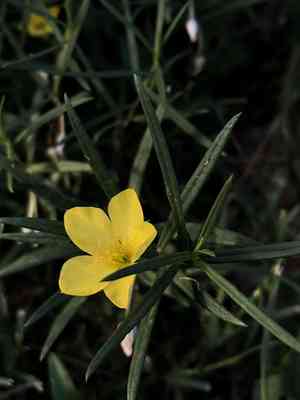
Orange fameflower (Talinum polygaloides)
Also known as: Rock Pink, Fameflower
Goldmoss Stonecrop is a robust succulent with small, glossy leaves that form dense, low-growing mats. It features vibrant yellow, star-shaped flowers on thin stems, flourishing in arid conditions. This resilient plant utilizes short wet periods to quickly complete its life cycle, demonstrating impressive adaptability in harsh environments.
In This Article
Attributes of Orange fameflower
Lifespan
Perennial
Plant Type
Herb, Succulent
Plant Height
10-30 cm
Spread
10-20 cm
Leaf Color
Green
Flower Size
1-2 cm
Flower Color
Pink, Purple
Images of Orange fameflower
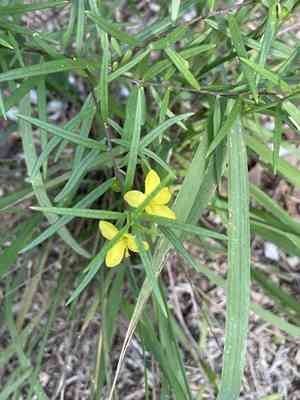
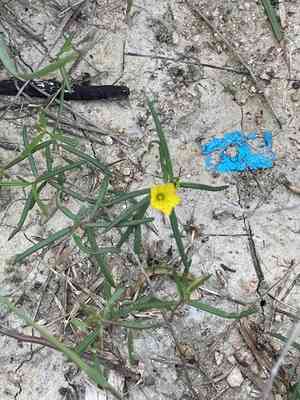
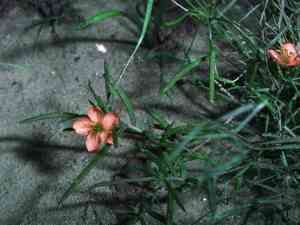
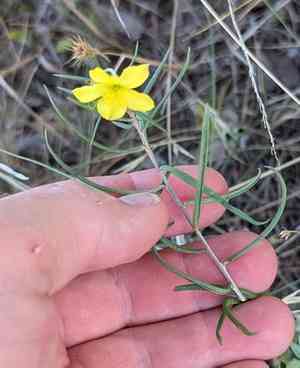
Quickly Identify Orange fameflower
1
To identify Talinum polygaloides, look for its fleshy, succulent leaves and small, star-like pink or purple flowers. The plant often grows in clumps and its flowers open in the afternoon and close by evening.
Scientific Classification of Orange fameflower
Phylum
Vascular plants
Class
Dicotyledons
Order
Caryophyllales
Family
Fameflower
Genus
Fameflowers
Species
Orange fameflower
Planting and Growing of Orange fameflower
Care Difficulty
Easy
Watering Schedule
Every 4 days
Sunlight Requirements
Full sun
Sunshine Duration
4-8 hours
Ideal Temperature
70-85℉
Soil Type
Potting Mix, Peat Mix
Soil pH
6.5-7.5
Fertilizer Type
Balanced
Pruning Season
Spring, Summer
Pruning Area
Branches, Leaves
Pruning Frequency
2 times a year
Repotting Season
Spring
Pot Type
Plastic, Terracotta
 How to Water Orange fameflower?
When watering Talinum polygaloides, ensure the soil is thoroughly soaked but not waterlogged, which translates to about 250 milliliters per watering session. The water should seep through the soil to reach the roots without pooling on the surface, ensuring the plant's needs are well met.
What are the symptoms of an underwatered Orange fameflower?
›
What should I do if my Orange fameflower is not getting enough water?
›
What are the symptoms of an overwatered Orange fameflower?
›
How to save an overwatered Orange fameflower?
›
 What Are the Sunlight Requirements for Orange fameflower?
Talinum polygaloides thrives in full sun to partial sun, ideally receiving between 6 and 8 hours of sunlight daily. Proper lighting helps strengthen the plant, invigorating its ability to photosynthesize efficiently and enhancing robust growth and flowering.
What Is the Ideal Lighting for Talinum polygaloides?
›
How Can You Achieve Ideal Lighting for This Plant?
›
Benefits of Ideal Lighting Conditions
›
 What Is the Ideal Temperature Range for Orange fameflower?
The ideal temperature range for Talinum polygaloides lies between 70°F and 85°F. This range ensures optimal metabolic rates and promotes healthy growth and flowering. Maintaining this temperature helps minimize stress and maximizes nutrient uptake, ensuring the plant thrives.
 What Soil is Best for Orange fameflower?
Talinum polygaloides thrives in well-drained soil that prevents waterlogging. This is crucial to prevent root rot, a condition that can devastate plant health by suffocating roots and inviting fungal infections. Proper drainage improves soil aeration, which is beneficial for nutrient uptake by the plant. The plant prefers soil with moderate fertility, avoiding the extremes of nutrient deficiency and excess. Balanced nutrient levels ensure consistent growth and vibrant foliage. Excessive nutrients can lead to lush, leggy growth that may be more susceptible to pests and diseases. Soil with a loose and aerated structure supports healthy root development for Talinum polygaloides. This encourages robust anchorage and efficient water and nutrient absorption. Compacted soil can hinder root expansion and lead to stunted growth.
 How to Fertilize Orange fameflower?
When fertilizing Talinum polygaloides, use a balanced liquid fertilizer diluted to half strength. A good rule of thumb is to use about one tablespoon of the diluted liquid for small plants and up to three tablespoons for larger ones, depending on their size and health.
 How to Prune Orange fameflower?
Begin by assessing the overall shape and structure of your Talinum polygaloides. Using sharp, sterilized scissors or pruning shears, trim back any overgrown stems. Focus on cutting back to a healthy set of leaves, promoting fuller growth. Remove any yellowing or damaged foliage to ensure healthy regrowth. Finally, step back to check the symmetry of the plant. To encourage profuse flowering, deadhead spent blooms regularly. This involves cutting back the flower stalks to just above a set of leaves once they start to fade. This process redirects energy back into the plant, enhancing the production of new buds and resulting in a more abundant display of flowers.
More About Pruning Techniques→
 How to Propagate Orange fameflower plant?
1
Start by preparing a well-draining potting mix for the seeds or cuttings. A mix of peat moss and perlite is often recommended for Talinum polygaloides due to its moisture retention and aeration properties. Ensure that the soil is sterilized to prevent fungal diseases.
2
Sow the seeds evenly over the soil surface and lightly cover them with a thin layer of soil. Maintain humidity and warmth by covering the seed tray with a clear plastic lid or placing it in a greenhouse environment to encourage germination.
3
Select healthy and non-flowering stems for cuttings. Use sharp pruners to make a clean cut below a node and remove the lower leaves. Allow the cutting to air dry for a few hours before planting it in damp soil to prevent rotting.
 How to Repot Orange fameflower plant?
1
Talinum polygaloides shows clear repotting signals. When roots begin to overcrowd the pot, peeking out of drainage holes, or if growth has noticeably slowed down, it's time. These signs indicate the plant is yearning for more space to stretch and nutrients to thrive, demanding a fresh start in a new home.
2
Select a pot that's just one size bigger, ensuring it's not overwhelmingly large. A pot with good drainage holes is crucial to avoid waterlogging. The right size encourages root expansion without drowning them, offering stability and ensuring healthy growth without risking root rot.
3
Choose a well-draining sandy soil mix to mimic its natural environment. This type of soil prevents water retention, crucial for Talinum polygaloides, allowing roots to breathe. Moreover, it supports robust growth by providing a balanced base for nutrients and moisture management.
Learn More About Orange fameflower Diseases
Anthracnose
Bacterial Leaf Spot
Bacterial Soft Rot
Bacterial Wilt
Chemical Injury
Crown Gall
Cyst Nematode
Damping-off
Downy Mildew
Drought Stress
Fusarium Wilt
Gray Mold
Leaf Spot
Mosaic
Nutrient Deficiency
Nutrient Toxicity
Powdery Mildew
Root Rot
Root-knot Nematode
Rusts
Sooty Mold
Spider Mites
Temperature Stress
Thrips Damage
White Mold



