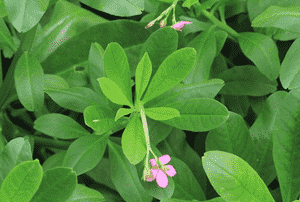
Jewels of Opar(Talinum paniculatum)

Jewels of Opar (Talinum paniculatum)

Also known as: Fameflower, Pink baby breath

The **Prickly Pear Cactus (Opuntia spp.)** is a succulent shrub species indigenous to the Americas and the Caribbean. It was introduced to various parts of East Asia, where it gained cultural significance. This plant is known for its rapid spread, as any fragment of its root can develop into a new plant once it contacts soil.

Attributes of Jewels of Opar

Lifespan
Perennial, Annual
Plant Type
Herb
Plant Height
30 cm to 1 m
Spread
60 cm to 90 cm
Leaf Color
Green Blue
Flower Size
6 mm
Flower Color
Pink Red Purple

ForwardPlant - Identify plants with a snap

Identify and diagnose plants, get toxicity alerts, and explore safety guides for all types of fungi.

Try for Free

Images of Jewels of Opar

Jewels of Opar(Talinum paniculatum)

Quickly Identify Jewels of Opar

1
Recognize by its fleshy leaves, wiry stems, and small, bright pink flowers arranged in open, airy panicles. The plant often produces small, bead-like, red to purple fruits.

Scientific Classification of Jewels of Opar

Phylum
Vascular plants
Class
Dicotyledons
Order
Pinks, cacti, and allies
Family
Fameflower
Genus
Fameflowers
Species
Jewels of Opar

Planting and Growing of Jewels of Opar

Care Difficulty
Easy
Watering Schedule
Every 3 days
Sunlight Requirements
Full sun
Sunshine Duration
6-10 hours
Ideal Temperature
68-77℉
Soil Type
Potting Mix, Peat Mix
Soil pH
6.5-7.5
Fertilizer Type
Balanced
Pruning Season
Spring, Summer
Pruning Area
Branches, Leaves
Pruning Frequency
2 times a year
Repotting Season
Spring
Pot Type
Plastic, Ceramic

water icon How to Water Jewels of Opar?

Talinum paniculatum requires about 250ml of water per session, ensuring the soil remains consistently moist but not waterlogged. The key is to provide enough moisture to reach the root zone without creating stagnant pools. Water until you notice slight drainage from the bottom of the pot, indicating the soil has been thoroughly soaked.
What are the symptoms of an underwatered Jewels of Opar?
What should I do if my Jewels of Opar is not getting enough water?
What are the symptoms of an overwatered Jewels of Opar?
How to save an overwatered Jewels of Opar?

sunlight icon What Are the Sunlight Requirements for Jewels of Opar?

Sunlight Requirements: Full sun, Partial sun
Duration of light: 4 to 6 hours
Partial sun ensures robust growth and flowering while preventing leaf scorch. Sufficient light maintains vibrant foliage and supports optimal photosynthesis, enhancing overall plant health.
What is the ideal sunlight condition for Talinum paniculatum?
How can I ensure my Talinum paniculatum receives the ideal sunlight?
What benefits does ideal sunlight provide to Talinum paniculatum?

temperature icon What Is the Ideal Temperature Range for Jewels of Opar?

Ideal Temperature: 68 ~ 77℉
Talinum paniculatum thrives best in temperatures ranging from 68 to 77 degrees Fahrenheit. This optimal range supports robust growth and vibrant foliage, as it closely mimics the plant’s native warm climatic conditions. By maintaining temperatures within this range, the plant's photosynthesis and metabolism operate efficiently, promoting healthy development and flowering.

soil icon What Soil is Best for Jewels of Opar?

Soil type: Sandy loam, Loam
Soil PH: 6.5 ~ 7.5
Talinum paniculatum thrives in well-drained soils, preventing waterlogging and root rot. This type of soil allows for proper air circulation around the roots, enhancing the plant's growth and resistance to diseases. While Talinum paniculatum is quite resilient, a nutrient-rich soil improves its vigor and flowering potential. Organic matter like compost or aged manure can boost nutrient levels, significantly enhancing plant health. The plant benefits from soils that retain some moisture without becoming soggy. Sandy loam is ideal as it provides a balance, maintaining adequate moisture while allowing excess water to drain, supporting healthy root development.

fertilize icon How to Fertilize Jewels of Opar?

Fertilizer type: Balanced
For Talinum paniculatum, it is crucial to apply a balanced fertilizer at a moderate rate. Use about half the recommended dose from the packaging, avoiding excess which could harm the roots. This plant appreciates nutrients but in a measured manner to support its growth and vibrant foliage.

prune icon How to Prune Jewels of Opar?

Pruning Time: Spring, Summer, Autumn
Use gloves when handling the plant to protect your hands from potential irritants. Ensure your tools are disinfected before and after use to prevent the spread of pathogens. Additionally, regularly maintain your tools by sharpening them, ensuring a clean cut, which is crucial for the plant's recovery. Monitor the plant after pruning for signs of stress such as wilting or yellowing leaves. If these symptoms appear, reduce the frequency of pruning and ensure the plant receives adequate water and nutrients. Over-pruning can lead to reduced growth and fewer flowers, so balance is key.

propagate icon How to Propagate Jewels of Opar plant?

Propagate Time: Late spring,Early summer
1
Begin by collecting ripe seeds from Talinum paniculatum and sow them in a seed tray filled with a sterile, well-draining soil mix. Ensure they are lightly covered with soil. Keep the tray at a warm temperature and moist until germination occurs.
2
Choose a healthy stem and cut a section about 10-15 cm long. Remove the lower leaves and dip the cut end in rooting hormone. Plant the cutting in well-draining soil and maintain humidity to encourage root development.
3
Carefully remove the plant from its pot and gently separate the root ball into sections. Ensure each section has roots attached, and plant them individually at the same soil depth as the original plant.

repot icon How to Repot Jewels of Opar plant?

Repotting frequency: Every 1-2 years
1
Repot Talinum paniculatum when its roots fill the current pot, which typically manifests as roots growing out of drainage holes or visible from the soil surface. Additionally, signs like poor growth and root-bound conditions are clear indicators for repotting.
2
Choose a pot that is only slightly larger than the current one to prevent excess water retention, which could lead to root rot. Opt for a pot with ample drainage holes to ensure good air circulation, aiding in the plant’s overall health.
3
Use a well-draining soil mix with ingredients like perlite or coarse sand to avoid water retention. This soil type ensures adequate aeration and prevents the roots from sitting in water, reducing the risk of rot.

ForwardPlant - Identify plants with a snap

Find the best spots for them to optimize their health, simply using your phone.

Try for Free

Toxicity of Jewels of Opar

Is Jewels of Opar toxic to humans?

Each component of the jewels of Opar is comprised of compounds that have been identified to lead to reproductive issues and congenital anomalies in individuals who consume them in significant quantities. Furthermore, sufficiently high amounts have been demonstrated to inflict harm upon the heart, spleen, and liver. It is advisable to keep this plant fenced off from young children and to monitor older children closely when they are near it.

Identify toxic plants for your safety

Learn which plants are harmful to you and your pets, and make informed choices for a safer home!

Try for Free
WARNING
The judgment on toxicity and danger is for reference only. We DO NOT GUARANTEE any accuracy of such judgment. Therefore, you SHALL NOT rely on such judgment. It is IMPORTANT TO SEEK PROFESSIONAL ADVICE in advance when necessary.
More About Toxic Techniques

