
African marigold (Tagetes erecta)
Also known as: Flower of the dead, Mexican marigold
African marigold (Tagetes erecta) is a popular garden plant known for its striking yellow, orange, or red flowers, which provide a vibrant splash of color to any garden. Historically used by ancient Aztec civilizations for decorative and ceremonial purposes, it continues to be a favorite among gardeners. Beyond its aesthetic appeal, African marigold is effective in repelling various pests such as insects, nematodes, rabbits, and deer due to its natural toxic compounds. This dual functionality makes it an excellent choice for both enhancing garden beauty and promoting plant health.
In This Article
Attributes of African marigold
Lifespan
Annual, Perennial, Biennial
Plant Type
Herb
Plant Height
20 cm to 1.5 m
Spread
10 cm to 60 cm
Leaf Color
Green
Flower Size
5 cm to 10 cm
Flower Color
Yellow Orange White Gold Red Burgundy
Images of African marigold


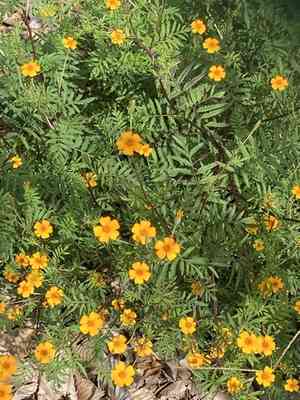
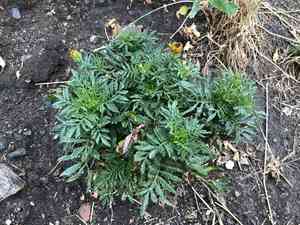
Quickly Identify African marigold
1
Large, vibrant flowerheads up to 3 inches (7.6 cm) in warm colors.
2
Pinnately lobed, dark green aromatic leaves with toothed outline.
3
Cylindrical to oval stem with resin channels emitting distinct aroma.
4
Tall plant reaching 10 to 18 inches (25 to 46 cm) requiring staking for support.
5
Slender flower heads with pompon-like cluster shape, blooming in various colors.
Scientific Classification of African marigold
Phylum
Vascular plants
Class
Dicotyledons
Order
Asters bellflowers fanflowers and allies
Family
Daisy
Genus
Marigolds
Species
African marigold
Planting and Growing of African marigold
Care Difficulty
Easy
Watering Schedule
Every 4 days
Sunlight Requirements
Full sun
Sunshine Duration
4-8 hours
Ideal Temperature
68-77℉
Soil Type
Potting Mix, Peat Mix
Soil pH
6.5-7.5
Fertilizer Type
Balanced
Pruning Season
Spring, Summer
Pruning Area
Branches, Leaves
Pruning Frequency
2 times a year
Repotting Season
Spring
Pot Type
Plastic, Ceramic
 How to Water African marigold?
When watering Tagetes erecta, ensure the soil is thoroughly moist but not waterlogged. It is advisable to pour around 200 milliliters at a time into the pot, checking the soil to confirm its moisture level. They prefer well-drained soil, and over-saturated ground can lead to root rot.
More About Watering Techniques→
What are the symptoms of an underwatered African marigold?
›
What should I do if my African marigold is not getting enough water?
›
What are the symptoms of an overwatered African marigold?
›
How to save an overwatered African marigold?
›
 What Are the Sunlight Requirements for African marigold?
Tagetes erecta requires full sun exposure for optimal growth. This lighting condition promotes vibrant, prolific flowering, enhancing the plant's decorative appeal, and strengthens its structure, making it resilient to pests and diseases.
More About Sunlight Requirements Techniques→
What is the ideal light level?
›
How can I ensure the plant receives enough sunlight?
›
What are the benefits of adequate sunlight?
›
 What Is the Ideal Temperature Range for African marigold?
The ideal temperature range for growing Tagetes erecta is between 68°F and 77°F. This range provides optimal conditions for germination and overall growth. Maintaining these temperatures helps ensure vibrant blooms and healthy foliage, as it aligns with the natural climate conditions in which marigolds thrive.
 What Soil is Best for African marigold?
Tagetes erecta flourishes in well-draining soil that prevents waterlogging and root rot. Good drainage ensures the roots receive ample air, promoting robust growth and vibrant blooms. Rich, fertile soil with organic matter provides Tagetes erecta with essential nutrients for sustained flowering. Nutrients like nitrogen and phosphorus fuel the plant's growth and enhance color vibrancy. The soil should retain adequate moisture to keep the plant healthy while allowing excess water to escape. This balance helps prevent stress from drought or overwatering.
More About Soil→
 How to Fertilize African marigold?
For Tagetes erecta, the amount of fertilizer depends on the growth stage. When using liquid fertilizer, dilute it to half its strength. Apply it evenly across the soil surface, avoiding contact with leaves to prevent burns. For solid fertilizers, a balanced 10-10-10 NPK formula is ideal, using around 1/4 cup per square meter for typical garden settings. Over-fertilization can lead to salt build-up, affecting plant roots negatively.
More About Fertilizing Techniques→
 How to Prune African marigold?
Regular deadheading is crucial for encouraging continuous flowering. Begin by identifying spent or fading flowers. Using sharp scissors or shears, cut the stem just above the first set of full, healthy leaves. This prevents seed formation, redirects energy towards producing fresh blooms, and keeps the plant looking tidy. If your Tagetes erecta becomes leggy or overgrown, cutting back the plant can help maintain a bushier shape. Trim the stems by up to one-third, focusing on the areas where the plant extends noticeably beyond its preferred shape. Make your cuts just above leaf nodes to encourage branching.
More About Pruning Techniques→
 How to Propagate African marigold plant?
1
Fill a seed tray with potting soil, leaving a small gap at the top. Ensure the soil is evenly spread and free of clumps to provide a smooth surface for sowing the seeds, promoting even germination.
2
Sprinkle the seeds of Tagetes erecta evenly across the soil surface. Cover them lightly with a thin layer of soil, approximately ¼ inch, to protect them while allowing light to reach for photosynthesis.
3
Gently water the tray using a fine mist or spray bottle to avoid displacing the seeds. Maintain consistent moisture by checking the soil regularly and keep the tray in a warm, well-lit area to encourage growth.
 How to Repot African marigold plant?
1
You should repot Tagetes erecta when you notice the plant outgrowing its current pot, with roots sneaking out of drainage holes. The ideal time is during its growing season, which is spring or summer, ensuring the plant can quickly adjust and re-establish in fresh soil for optimal growth.
2
Opt for a pot that is 1-2 inches larger in diameter than the current one. Ensure it has ample drainage holes to prevent waterlogging, as Tagetes erecta thrives with good drainage. The right pot aids in preventing root rot while allowing the plant a little more room to spread its roots and flourish.
3
Select a well-draining potting mix with added perlite or sand to improve aeration. This choice is essential as it helps mimic the plant's natural habitat and supports healthy root development. Proper soil ensures that the plant's roots can breathe, avoid compaction, and stay hydrated without being overly wet.
Learn More About African marigold Diseases
Anthracnose
Bacterial Leaf Spot
Bacterial Wilt
Chemical Injury
Crown Gall
Cyst Nematode
Damping-off
Downy Mildew
Drought Stress
Fusarium Wilt
Gray Mold
Leaf Spot
Mosaic
Nutrient Deficiency
Nutrient Toxicity
Powdery Mildew
Root Rot
Root-knot Nematode
Rusts
Sooty Mold
Spider Mites
Temperature Stress
Thrips Damage
White Mold



