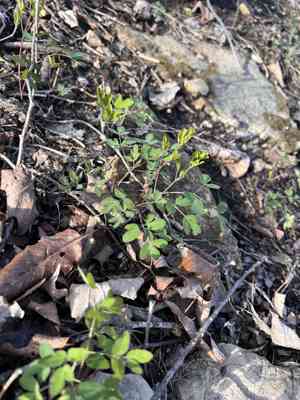
Taenidia (Taenidia) (Taenidia)
Also known as: Yellow Pimpernel, Eastern Yellow Pimpernel
Taenidia is a genus of flowering plants in the carrot family, native exclusively to eastern North America. The plants in this genus are relatively delicate perennials.
In This Article
Attributes of Taenidia (Taenidia)
Lifespan
Perennial
Plant Height
Typically grows to about 1-2 feet (30-60 cm) tall
Spread
Not applicable for this herbaceous plant
Leaf Color
Green
Flower Size
Small, around 1/4 inch (0.6 cm) wide
Flower Color
Yellow
Images of Taenidia (Taenidia)
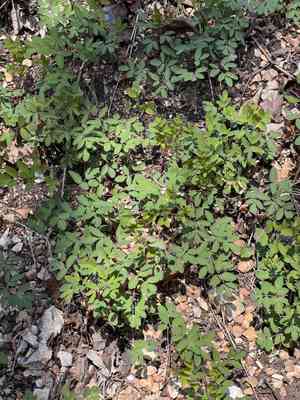
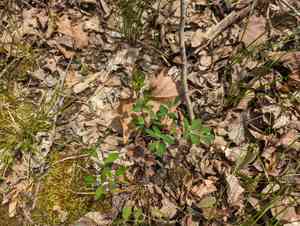
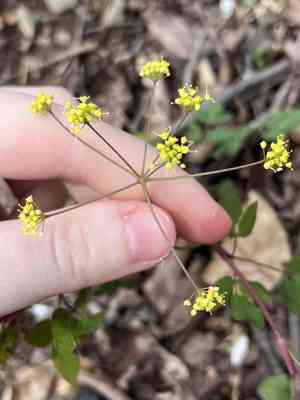
Quickly Identify Taenidia (Taenidia)
1
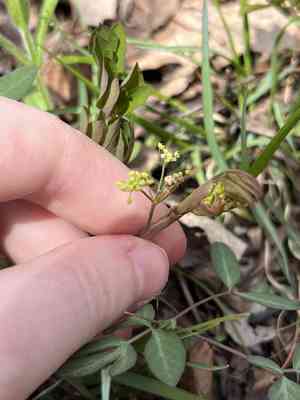
To identify Taenidia, look for its compound leaves with multiple leaflets and small yellow flowers arranged in umbrella-shaped clusters called umbels. The stems are slender and can grow to be quite tall.
Scientific Classification of Taenidia (Taenidia)
Phylum
Tracheophyta
Class
Magnoliopsida
Order
Apiales
Family
Apiaceae
Genus
Taenidia
Planting and Growing of Taenidia (Taenidia)
Care Difficulty
Moderate
Watering Schedule
Every 4 days
Sunlight Requirements
Full sun
Sunshine Duration
4-8 hours
Ideal Temperature
60-75℉
Soil Type
Potting Mix, Peat Mix
Soil pH
6.5-7.5
Fertilizer Type
Balanced
Pruning Season
Spring, Summer
Pruning Area
Branches, Leaves
Pruning Frequency
2 times a year
Repotting Season
Spring
Pot Type
Plastic, Ceramic
 How to Water Taenidia (Taenidia)?
The ideal watering amount for Taenidia should be around 200 milliliters per session. This plant prefers its soil to be evenly moist but not saturated, mimicking a gentle rain. Ensure that the water seeps through the soil, reaching the roots without causing waterlogging. Use your finger to check the top inch of soil to ensure it's started to dry out before the next watering session.
What are the symptoms of an underwatered Taenidia (Taenidia)?
›
What should I do if my Taenidia (Taenidia) is not getting enough water?
›
What are the symptoms of an overwatered Taenidia (Taenidia)?
›
How to save an overwatered Taenidia (Taenidia)?
›
 What Are the Sunlight Requirements for Taenidia (Taenidia)?
Taenidia's ideal light range falls between full sun and partial sun, allowing for 6 to 8 hours of daily sunlight. This supports robust growth and flowering, improving the plant's resilience and aesthetic appeal.
What is the best lighting condition for Taenidia?
›
How can I achieve the ideal lighting for Taenidia?
›
What benefits come from providing ideal light to Taenidia?
›
 What Is the Ideal Temperature Range for Taenidia (Taenidia)?
The ideal temperature range for Taenidia to thrive is between 60°F and 75°F. This range ensures optimal growth by providing the necessary warmth for metabolic activities without causing heat stress.
 What Soil is Best for Taenidia (Taenidia)?
Taenidia thrives best in well-drained soil that prevents waterlogging. Good drainage ensures that the roots receive adequate aeration and minimize the risk of root rot. This is essential for healthy plant growth and development. This plant prefers soil with moderate fertility levels. Excessively rich soil can cause lush foliage growth at the expense of flowering, while poor soil fertility can stunt its growth, leading to poor overall health. Taenidia requires soil with low salinity. High salt concentration can damage the roots and affect nutrient uptake. Maintaining low salinity levels is crucial for optimal nutrient absorption and plant vigor.
 How to Fertilize Taenidia (Taenidia)?
Taenidia requires careful fertilization with a modest touch. Use a diluted liquid fertilizer at half the recommended strength to avoid nutrient burn. For solid fertilizer, a thin layer around the root zone is ideal. Be cautious not to overdo it, as this plant thrives best under relatively lean conditions.
 How to Prune Taenidia (Taenidia)?
Begin pruning in early spring when new growth begins to show. Use cleaned, sharp pruners for the task to ensure clean cuts and reduce the chance of disease. Remove any dead or damaged stems first. Focus on shaping the Taenidia by trimming back overgrown areas to maintain an attractive outline. Cut back the stems to just above a healthy bud, making sure you leave enough room for the plant to grow throughout the season.
 How to Propagate Taenidia (Taenidia) plant?
1
Start by collecting seeds from mature Taenidia plants. Clean the seeds to remove any debris and non-viable seeds. Soak them in water for a few hours to encourage faster germination. This process helps to soften the seed coat, facilitating the emergence of the seedling.
2
Select healthy, non-flowering stems for cuttings during early morning when the plant is most hydrated. Use sharp pruners to make a clean cut just below a node, and remove the lower leaves to reduce moisture loss and focus the cutting’s energy on root development.
3
Use a sharp spade to divide mature Taenidia clumps in early spring when the plant is just beginning to show new growth. Ensure each division has adequate roots and shoots. Replant divisions at the same depth as the original plant for optimal establishment.
 How to Repot Taenidia (Taenidia) plant?
1
Taenidia should be repotted when you notice roots protruding from the drainage holes, indicating the roots have outgrown the pot. Another sign is slower growth despite regular care, suggesting the plant has depleted the soil's nutrients. Aim to repot in early spring or autumn to minimize stress on the plant and encourage robust new growth.
2
Choose a pot that's one size larger than the current one with sufficient drainage holes to prevent waterlogging. A pot that's slightly larger provides enough space for root expansion, which is crucial for the plant’s overall health. Materials like terracotta are excellent as they aid in moisture regulation, ensuring the optimal balance for Taenidia.
3
Opt for a well-draining loam-based soil mix to ensure Taenidia's roots are not waterlogged, which could lead to root rot. A balanced mix retains necessary moisture while allowing excess water to drain away, providing ideal growing conditions for this plant. The soil’s texture also supports root growth, enhancing nutrient uptake.
Learn More About Taenidia (Taenidia) Diseases
Anthracnose
Bacterial Leaf Spot
Bacterial Wilt
Crown Gall
Damping-off
Downy Mildew
Drought Stress
Fusarium Wilt
Gray Mold
Leaf Curl
Leaf Spot
Mosaic
Nutrient Deficiency
Nutrient Toxicity
Powdery Mildew
Root Rot
Root-knot Nematode
Rusts
Sooty Mold
Spider Mites
Temperature Stress
Thrips Damage
White Mold

