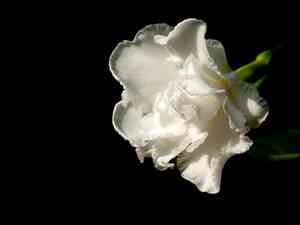
Crape jasmine(Tabernaemontana divaricata)

Crape jasmine (Tabernaemontana divaricata)

Also known as: Pinwheelflower, East india rosebay, Paper gardenia

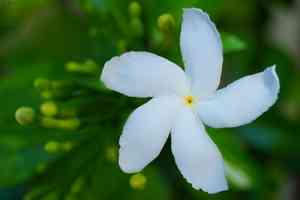
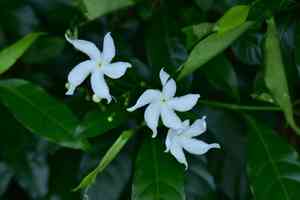
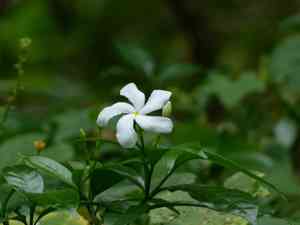
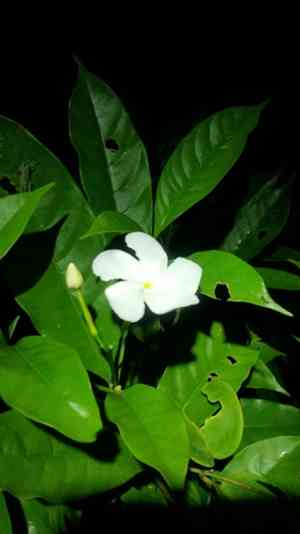
Crape jasmine (Tabernaemontana divaricata) is an evergreen shrub that can reach up to 2.5 meters in height. It features dark green, glossy leaves and produces white, pinwheel-shaped flowers with a delightful, carnation-like fragrance throughout the year. This plant is easy to cultivate in conditions ranging from light shade to full sun.

In landscaping, Crape jasmine is often used as an attractive backdrop or natural hedge, adding both aesthetic appeal and fragrance to gardens. Its low-maintenance nature and year-round blooming make it a popular choice for gardeners.

Attributes of Crape jasmine

Lifespan
Perennial
Plant Type
Shrub
Plant Height
3 m
Spread
1.8 m to 2.5 m
Leaf Color
Green
Flower Size
2 cm
Flower Color
White

ForwardPlant - Identify plants with a snap

Identify and diagnose plants, get toxicity alerts, and explore safety guides for all types of fungi.

Try for Free

Images of Crape jasmine

Crape jasmine(Tabernaemontana divaricata)

Quickly Identify Crape jasmine

1
Easily identifiable by its pinwheel-shaped white flowers, dark green glossy leaves, and milky sap when the leaves or stems are broken.

Scientific Classification of Crape jasmine

Phylum
Vascular plants
Class
Dicotyledons
Order
Gentians, dogbanes, madders, and allies
Family
Dogbane
Genus
Milkwood
Species
Crape jasmine

Planting and Growing of Crape jasmine

Care Difficulty
Easy
Watering Schedule
Every 4 days
Sunlight Requirements
Partial sun
Sunshine Duration
6-8 hours
Ideal Temperature
65-86℉
Soil Type
Potting Mix, Peat Mix
Soil pH
6.5-7.5
Fertilizer Type
Balanced
Pruning Season
Spring, Summer
Pruning Area
Branches, Leaves
Pruning Frequency
2 times a year
Repotting Season
Spring
Pot Type
Plastic, Ceramic

water icon How to Water Crape jasmine?

For Tabernaemontana divaricata, it’s important to make sure the soil remains consistently moist but not waterlogged. A good rule of thumb is to water it thoroughly until water drains out of the pot's bottom, which typically requires about 250 ml. The right amount ensures the roots receive adequate moisture without drowning them.
What are the symptoms of an underwatered Crape jasmine?
What should I do if my Crape jasmine is not getting enough water?
What are the symptoms of an overwatered Crape jasmine?
How to save an overwatered Crape jasmine?
More About Watering Techniques

sunlight icon What Are the Sunlight Requirements for Crape jasmine?

Sunlight Requirements: Partial sun, Full sun
Duration of light: 4-6 hours daily
Tabernaemontana divaricata thrives best in partial to full sun exposure. This range supports vigorous blooming and rich, vibrant leaves, ensuring the plant remains a showy specimen in your garden.
Optimal Sunlight Duration
Maintaining Balance Between Shade and Sun
Utilizing Protective Shade Cloth
More About Sunlight Requirements Techniques

temperature icon What Is the Ideal Temperature Range for Crape jasmine?

Ideal Temperature: 65 ~ 86℉
Tabernaemontana divaricata thrives best in environments where temperatures consistently range between 65°F and 86°F. These conditions mimic its native tropical habitat, promoting robust growth, healthy foliage, and abundant blooming. The moderate warmth ensures the plant's metabolic functions remain efficient, crucial for nutrient uptake and photosynthesis.

soil icon What Soil is Best for Crape jasmine?

Soil type: Loam, Sandy soil
Soil PH: 6.5 ~ 7.5
Tabernaemontana divaricata thrives in well-draining soil that prevents water stagnation around its roots. This is crucial to avoid root rot and support healthy growth. The plant benefits from soil enriched with organic matter, which provides essential nutrients for vibrant foliage and prolific blooming. While drainage is important, the soil should also maintain adequate moisture to cater to the plant's hydration needs, ensuring it remains lush and healthy. More About Soil

fertilize icon How to Fertilize Crape jasmine?

Fertilizer type: Balanced
Tabernaemontana divaricata thrives with balanced fertilization. It's crucial to avoid excessive amounts. Generally, use 50% of the suggested amount on the fertilizer label for liquid fertilizers. For slow-release solid fertilizers, a small handful is usually enough. This ensures the plant gets adequate nutrients without risk of nutrient burn. More About Fertilizing Techniques

prune icon How to Prune Crape jasmine?

Pruning Time: Spring, Summer
Begin by identifying the parts that need pruning. Focus on dead or damaged branches, which can be cut down to their base. Trim back any overgrown areas to maintain a harmonious shape and encourage more flower production. Use sharp, sterilized pruning shears for clean cuts. Make decisive cuts at a 45-degree angle, slightly above a node or bud to encourage healthy new growth. This technique minimizes damage and disease risk. More About Pruning Techniques

propagate icon How to Propagate Crape jasmine plant?

Propagate Time: Spring, Early summer
1
Choose a healthy, non-flowering stem that is about 4-6 inches long. Ensure the mother plant is disease-free and well-watered, as healthy cuttings have a greater chance of rooting.
2
Remove leaves from the lower third of the cutting and dip the cut end into rooting hormone. This enhances root formation and reduces moisture loss from the cutting.
3
Plant the cutting into a pot filled with well-draining soil. Ensure the cutting is inserted deep enough to be stable and water it lightly to maintain humidity without waterlogging.
More About Propagating Techniques

repot icon How to Repot Crape jasmine plant?

Repotting frequency: Every 1-2 years
1
The ideal time to repot Tabernaemontana divaricata is when you notice roots growing out of the drainage holes, soil drying out quickly after watering, or a slowdown in the plant's growth. These signals indicate that the plant might be root-bound and needs more room to grow.
2
Select a pot that is about an inch or two larger in diameter than the current one. Make sure it has good drainage holes to prevent waterlogging. A slightly larger pot provides adequate space for root expansion while maintaining the right moisture balance, essential for healthy plant growth.
3
Opt for a well-draining potting mix, preferably one formulated for tropical plants. This type of soil will ensure the roots receive enough oxygen and prevent the adverse effects of water retention, such as root rot. The correct soil mix is crucial for mimicking the plant's natural habitat conditions.
More About Repotting Techniques

ForwardPlant - Identify plants with a snap

Find the best spots for them to optimize their health, simply using your phone.

Try for Free

Toxicity of Crape jasmine

Is Crape jasmine toxic to cat?

Crape jasmine presents a moderate risk of toxicity to felines. When a cat ingests any portion of the crape jasmine plant, it may display symptoms indicative of poisoning. These symptoms can vary and include physical discomfort or signs of illness, necessitating urgent veterinary care. As all sections of crape jasmine are deemed toxic, it is vital for cat owners to restrict their pets' access to this plant. In the event that a cat consumes crape jasmine, a swift trip to a veterinary clinic is critical for the pet's well-being and safety.

Is Crape jasmine toxic to dog?

The plant species known as crape jasmine is categorized as having moderate toxicity for dogs. Any ingestion of this plant, as every part of it is toxic, can lead to poisoning in dogs. Following the consumption of crape jasmine, symptoms in dogs may include vomiting, diarrhea, weakness, or more severe indicators, depending on the quantity consumed. Therefore, it is vital for dog owners to restrict access to crape jasmine and to keep a close watch on their pets for any potential accidental ingestion. If there is a suspicion that a dog has been poisoned by crape jasmine, it is critical to seek immediate veterinary attention to secure the best possible outcome.

Identify toxic plants for your safety

Learn which plants are harmful to you and your pets, and make informed choices for a safer home!

Try for Free
WARNING
The judgment on toxicity and danger is for reference only. We DO NOT GUARANTEE any accuracy of such judgment. Therefore, you SHALL NOT rely on such judgment. It is IMPORTANT TO SEEK PROFESSIONAL ADVICE in advance when necessary.
More About Toxic Techniques