Pink trumpet tree(Tabebuia heterophylla)

Pink trumpet tree (Tabebuia heterophylla)

Also known as: Heterophyllous yellow pui, Pink poui

The West Indian Mahogany (Swietenia mahagoni) is a flowering tree native to the Caribbean Islands. It is often grown for ornamental purposes and valued in the timber industry. Its wood is lightweight yet strong, making it ideal for crafting furniture and boats.

Attributes of Pink trumpet tree

Lifespan
Perennial
Plant Type
Tree, Shrub
Plant Height
6 m to 9 m
Spread
4.5 m to 8 m
Leaf Color
Green
Flower Size
5 cm to 8 cm
Flower Color
White Pink

ForwardPlant - Identify plants with a snap

Identify and diagnose plants, get toxicity alerts, and explore safety guides for all types of fungi.

Try for Free

Images of Pink trumpet tree

Pink trumpet tree(Tabebuia heterophylla)

Quickly Identify Pink trumpet tree

1
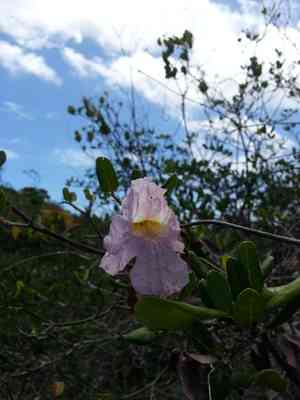
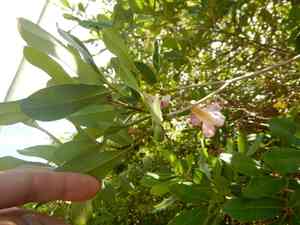
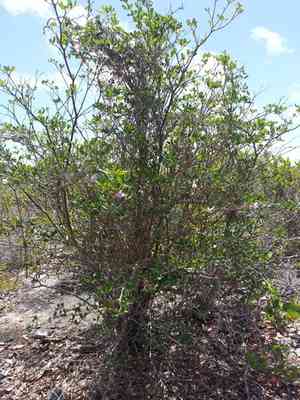
To identify Tabebuia heterophylla, look for a medium-sized tree with greyish, fissured bark. The leaves are compound, typically with 3 to 5 leaflets, and are dark green above and lighter green below. The trumpet-shaped flowers are the most distinct feature, ranging from pink to white with a yellow throat, and appear in clusters.

Scientific Classification of Pink trumpet tree

Phylum
Vascular plants
Class
Dicotyledons
Order
Lamiales
Family
Bignonia
Genus
Trumpet trees
Species
Pink trumpet tree

Planting and Growing of Pink trumpet tree

Care Difficulty
Easy
Watering Schedule
Every 3 days
Sunlight Requirements
Full sun
Sunshine Duration
6-10 hours
Ideal Temperature
75-85℉
Soil Type
Potting Mix, Peat Mix
Soil pH
6.5-7.5
Fertilizer Type
Balanced
Pruning Season
Spring, Summer
Pruning Area
Branches, Leaves
Pruning Frequency
2 times a year
Repotting Season
Spring
Pot Type
Terracotta, Plastic

water icon How to Water Pink trumpet tree?

Tabebuia heterophylla requires a watering amount that maintains evenly moist soil without making it soggy. To achieve this, apply 500 milliliters of water per session, ensuring the water penetrates well into the root zone but does not accumulate at the bottom of the pot. The key is to keep the soil slightly moist to the touch but not waterlogged.
What are the symptoms of an underwatered Pink trumpet tree?
What should I do if my Pink trumpet tree is not getting enough water?
What are the symptoms of an overwatered Pink trumpet tree?
How to save an overwatered Pink trumpet tree?

sunlight icon What Are the Sunlight Requirements for Pink trumpet tree?

Sunlight Requirements: Full sun, Partial sun
Duration of light: 6 to 8 hours
Tabebuia heterophylla does best in full to partial sun, receiving 6 to 8 hours of light daily. Ideal lighting promotes vigorous growth, flowering, and strong disease resistance.
What is the ideal lighting for Tabebuia heterophylla?
How can I ensure Tabebuia heterophylla gets ideal light?
What benefits does ideal lighting bring to Tabebuia heterophylla?
More About Sunlight Requirements Techniques

temperature icon What Is the Ideal Temperature Range for Pink trumpet tree?

Ideal Temperature: 75 ~ 85℉
Tabebuia heterophylla thrives best in a warm climate with temperatures ranging from 75°F to 85°F. These conditions mimic their native tropical habitats. Maintaining this temperature range ensures optimal growth and bloom of vibrant flowers. Deviations may lead to slowed growth or stress.

soil icon What Soil is Best for Pink trumpet tree?

Soil type: Loam, Sandy loam
Soil PH: 6.5 ~ 7.5
Tabebuia heterophylla thrives in well-drained soils, which prevent root rot and other waterlogging issues. Good drainage ensures the roots breathe and absorb nutrients effectively, promoting healthier growth. This tree benefits from fertile, nutrient-rich soils. Such conditions provide the essential minerals and organic matter needed for robust development and abundant flowering. Soil that retains moderate moisture without becoming waterlogged is ideal. This balance helps in maintaining consistent growth and prevents stress due to drought or over-watering.

fertilize icon How to Fertilize Pink trumpet tree?

Fertilizer type: Balanced
For the Tabebuia heterophylla, use a balanced liquid fertilizer mixed at half strength every two weeks during its growing season. For slow-release fertilizers, a small handful scattered over the soil surface thrice a year should suffice. Avoid over-fertilizing as it could harm the plant's roots.

prune icon How to Prune Pink trumpet tree?

Pruning Time: Spring, Summer, Autumn
Start by inspecting the Tabebuia heterophylla for dead or damaged branches. Use clean, sharp pruning shears to make clean cuts at the base of these branches. If the tree has an overly dense canopy, selectively thin it by removing some inner branches to allow for better air circulation and light penetration. Trim back any branches that are growing in undesired directions to maintain a balanced shape. Be careful not to remove more than 25-30% of the tree’s foliage at any one time, as this can stress the plant. More About Pruning Techniques

propagate icon How to Propagate Pink trumpet tree plant?

Propagate Time: Spring, Early Summer
1
Collect mature seeds from the plant after the flowering season. These seeds should be thoroughly dried and stored in a cool, dark place until you are ready to plant them, to maintain viability.
2
Select a healthy branch, and use pruning shears to cut a 4-6 inch section. Strip leaves from the lower half, and optionally dip it in rooting hormone to stimulate root growth.
3
Place prepared seeds or cuttings into pots filled with a mix of sand and potting soil. Water thoroughly but don't over-saturate. Ensure they receive indirect sunlight and maintain high humidity around the plants.
More About Propagating Techniques

repot icon How to Repot Pink trumpet tree plant?

Repotting frequency: Every 2-3 years
1
Signs that your Tabebuia heterophylla needs repotting include slowed growth, roots growing through the drainage holes, or compacted soil. Spring and early summer are the best times to repot as the plant enters its active growth phase.
2
Select a pot that is 2-3 inches larger than the current one. Ensure it has ample drainage holes to prevent waterlogging and root rot. A pot slightly larger aids healthy root expansion and improves nutrient absorption.
3
Use a well-draining potting mix to prevent water from accumulating at the roots. A mix containing peat, perlite, and coarse sand promotes proper aeration and supports robust growth of the Tabebuia heterophylla.

ForwardPlant - Identify plants with a snap

Find the best spots for them to optimize their health, simply using your phone.

Try for Free

Toxicity of Pink trumpet tree

Is Pink trumpet tree toxic to humans?

The pink trumpet tree presents a mild toxicity risk to humans, primarily through skin exposure or unintentional ingestion. The entire plant is composed of alkaloids that may lead to allergic responses or mild toxic reactions. Upon contact, individuals could experience skin irritation or allergic dermatitis. If consumed, effects may include gastrointestinal distress such as nausea, vomiting, and diarrhea. The severity of these symptoms can differ depending on the level of contact or ingestion and the individual's sensitivity. Therefore, it is crucial to handle the pink trumpet tree with caution to avoid unintended poisoning, particularly among children who might be drawn to the plant's appealing appearance.

Is Pink trumpet tree toxic to cat?

The pink trumpet tree exhibits a mild level of toxicity to cats, with both contact and ingestion presenting potential risks for poisoning. Should a cat come into direct contact with or consume any portion of the pink trumpet tree, the likelihood of poisoning increases due to the presence of alkaloids distributed throughout the plant. Symptoms of poisoning can manifest as visible signs of physical distress or illness. Cat owners are advised to remain attentive and restrict their pets' access to the pink trumpet tree, and if poisoning is suspected, prompt veterinary intervention is essential to safeguard the cat's health.

Is Pink trumpet tree toxic to dog?

The pink trumpet tree is recognized as having a mild level of toxicity for dogs. Contact or unintentional ingestion of this plant can lead to exposure. Dogs that either touch or consume any part of the pink trumpet tree, which is fully toxic, may display signs that suggest poisoning. These signs can include gastrointestinal distress, which may manifest as vomiting or diarrhea, and in certain situations, more critical reactions based on the amount swallowed and the size of the dog. The presence of alkaloids within the pink trumpet tree contributes significantly to its toxic properties when ingested by dogs. If a dog exhibits signs of poisoning following exposure to the pink trumpet tree, it is crucial to seek immediate veterinary assistance to ensure appropriate treatment and management of the symptoms.

Identify toxic plants for your safety

Learn which plants are harmful to you and your pets, and make informed choices for a safer home!

Try for Free
WARNING
The judgment on toxicity and danger is for reference only. We DO NOT GUARANTEE any accuracy of such judgment. Therefore, you SHALL NOT rely on such judgment. It is IMPORTANT TO SEEK PROFESSIONAL ADVICE in advance when necessary.
More About Toxic Techniques