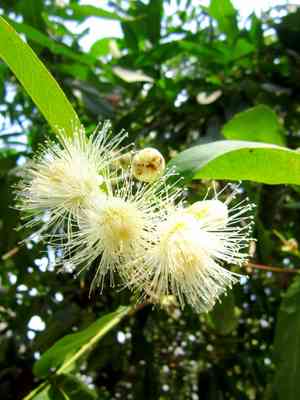
Java apple (Syzygium samarangense)
Also known as: Water apple, Semarang rose-apple
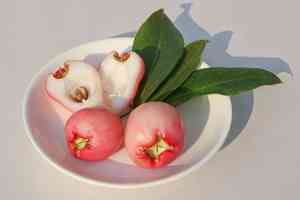
Java apples, also known as "jambu air" or "wax apples" due to their glossy appearance, are popular in Malaya for their versatility. These bright red fruits are often enjoyed fresh for their juicy and mildly sweet taste. They are commonly incorporated into fruit salads, added to spicy rojak, or enjoyed with a sprinkle of salt and chili powder. Additionally, Java apples can be pickled, used in making jams and jellies, or even stewed with other fruits for a unique flavor combination.
In This Article
Attributes of Java apple
Lifespan
Perennial
Plant Type
Tree
Plant Height
12 m
Spread
6 m
Leaf Color
Green
Flower Size
2.5 cm
Flower Color
White Yellow Green
Images of Java apple
Quickly Identify Java apple
1
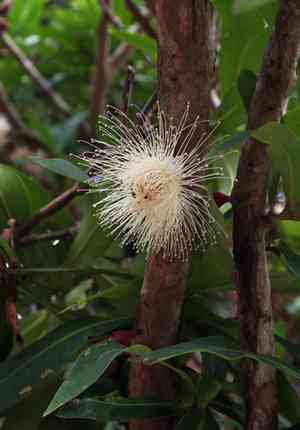
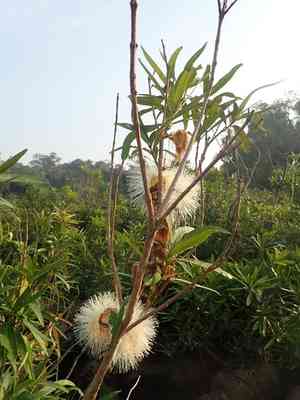
The plant can be identified by its glossy, evergreen leaves that are elliptical to oblong in shape. The tree exhibits a dense and spreading crown. Flowering typically occurs in clusters with bell-shaped, white to pale green flowers.
Scientific Classification of Java apple
Phylum
Vascular plants
Class
Dicotyledons
Order
Myrtle order
Family
Myrtle
Genus
Lillipillies
Species
Java apple
Planting and Growing of Java apple
Care Difficulty
Easy
Watering Schedule
Every 4 days
Sunlight Requirements
Full sun
Sunshine Duration
6-10 hours
Ideal Temperature
70-86℉
Soil Type
Potting Mix, Peat Mix
Soil pH
5.5-7.5
Fertilizer Type
Balanced
Pruning Season
Spring, Summer
Pruning Area
Branches, Leaves
Pruning Frequency
Once a year
Repotting Season
Spring
Pot Type
Plastic, Ceramic
 How to Water Java apple?
Syzygium samarangense prefers consistent moisture levels in the soil. The aim is to keep the soil moderately moist, but never waterlogged. A good measure is to water until the topsoil (about 2-3 inches deep) feels damp. Around 500 milliliters per watering should suffice for a well-draining medium-sized pot.
More About Watering Techniques→
What are the symptoms of an underwatered Java apple?
›
What should I do if my Java apple is not getting enough water?
›
What are the symptoms of an overwatered Java apple?
›
How to save an overwatered Java apple?
›
 What Are the Sunlight Requirements for Java apple?
Syzygium samarangense prefers full to partial sun exposure. Optimal light enhances vibrant leaf color and healthy growth, leading to increased flowering and fruit production.
More About Sunlight Requirements Techniques→
What is the best environment for growth?
›
How do I adjust the plant’s location for optimal sunlight?
›
What are the benefits of proper sunlight to Syzygium samarangense?
›
 What Is the Ideal Temperature Range for Java apple?
The ideal temperature range for Syzygium samarangense is between 70°F and 86°F. This tropical plant prefers warm and humid conditions, which mimic its natural environment. Maintaining temperatures within this range ensures optimal growth and fruiting.
 What Soil is Best for Java apple?
Syzygium samarangense thrives in well-drained soils. Proper drainage prevents root rot and ensures the plant gets adequate oxygen, promoting healthy growth and fruit production. This plant prefers fertile soil rich in organic matter. Nutrient-rich soil provides essential nutrients, enhancing fruit quality and boosting the overall vigor of the plant. Soils with good moisture-retentive qualities support Syzygium samarangense since they help maintain consistent moisture levels without waterlogging, aiding in steady growth and fruiting.
More About Soil→
 How to Fertilize Java apple?
The amount of fertilizer for Syzygium samarangense should be moderate to avoid any nutrient imbalance. For liquid fertilizers, use a balanced 10-10-10 NPK fertilizer mix at half strength, applying about 500ml per plant. For slow-release fertilizers, 100 grams per plant during the growing season is adequate.
More About Fertilizing Techniques→
 How to Prune Java apple?
The key to pruning Syzygium samarangense is maintaining an open canopy. Begin by removing dead or crossing branches to ensure sunlight penetrates the plant. This encourages healthy air circulation, preventing fungal infections. To stimulate new shoots, lightly trim the tips of the branches. This step is important in promoting a bushy appearance, ensuring the plant remains vibrant and productive with ample flowering and fruiting. Trim the leader and lateral branches to control the height and spread of your Syzygium samarangense. Keeping the size manageable not only aids in fruit harvest but also enhances the overall aesthetic of your garden.
More About Pruning Techniques→
 How to Propagate Java apple plant?
1
Begin by soaking the seeds in lukewarm water for 24 hours to soften their coat, facilitating faster germination when planted.
2
Select a healthy scion and rootstock; make diagonal cuts, then align them and secure with grafting tape. Ensure clean cuts for successful integration.
3
Plant the prepared seeds in sterile soil mix at a shallow depth, approximately twice the seed's diameter. Keep moist but not waterlogged.
 How to Repot Java apple plant?
1
You'll know it's time to repot your Syzygium samarangense when you notice roots growing out of the drainage holes. This indicates that the plant has outgrown its current pot and needs more space to thrive. Additionally, if the soil dries out too quickly between waterings, it's a sign that the plant could benefit from a larger home.
2
Select a pot that's about 1-2 inches larger in diameter than the current one. This ensures the plant has enough room to grow without risking waterlogging. Using a pot with drainage holes helps prevent root rot by allowing excess water to escape. The right pot size and material also contribute to maintaining soil moisture levels effectively.
3
Opt for a rich, well-draining loam that's slightly acidic to neutral. This soil type supports healthy root development while preventing water retention issues. Incorporating organic matter improves soil structure and fertility, providing the nutrients necessary for the vigorous growth that this plant desires.



