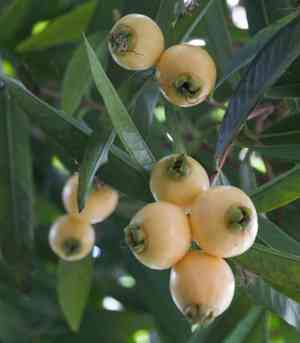
Malabar plum (Syzygium jambos)
Also known as: Water apple, Wax apple, Jambrosade
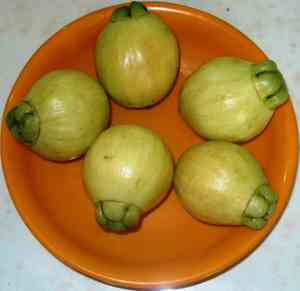
Syzygium jambos, also known as the rose apple or Malabar plum, is cultivated in many regions worldwide both for its ornamental appeal and its edible fruit. The fruit has a shape similar to certain types of guava, leading to frequent confusion between the two at first glance. However, the rose apple can be distinguished by its glossy, thin skin and the unique floral aroma of its crisp, white flesh. Numerous varieties of Syzygium jambos exist globally, each with slight variations in appearance and taste.
In This Article
Attributes of Malabar plum
Lifespan
Perennial
Plant Type
Tree
Plant Height
3 m to 15 m
Spread
8 m
Leaf Color
Green
Flower Size
5 cm to 8 cm
Flower Color
White Yellow Green Cream
Images of Malabar plum
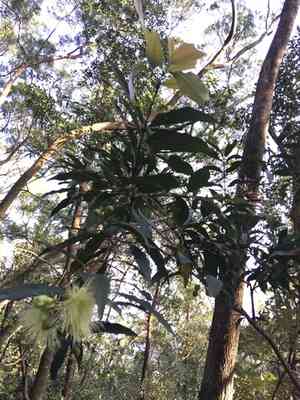
Quickly Identify Malabar plum
1
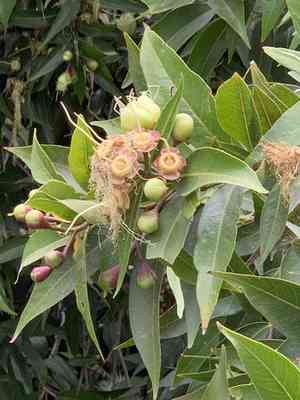
Glossy pink leaves mature to leathery pale green, 4-9 inches (10-23 cm) long.
2
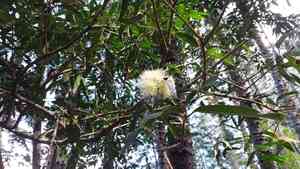
Creamy white flowers in clusters, 2-4 inches (5-10 cm) across, highly fragrant.
3
Greenish-yellow fruits, 1-2 inches (2.5-5 cm) diameter, with a distinctive rose scent.
4
Medium-sized tree with broad canopy, up to 20 feet (6 meters) in non-tropical regions.
5
Low spreading branches supporting the tree's canopy, creating a distinctive silhouette.
Scientific Classification of Malabar plum
Phylum
Vascular plants
Class
Dicotyledons
Order
Myrtle order
Family
Myrtle
Genus
Lillipillies
Species
Malabar plum
Planting and Growing of Malabar plum
Care Difficulty
Easy
Watering Schedule
Every 4 days
Sunlight Requirements
Partial sun
Sunshine Duration
6-10 hours
Ideal Temperature
75-86℉
Soil Type
Potting Mix, Peat Mix
Soil pH
5.5-7.5
Fertilizer Type
Balanced
Pruning Season
Spring, Summer
Pruning Area
Branches, Leaves
Pruning Frequency
2 times a year
Repotting Season
Spring
Pot Type
Plastic, Terracotta
 How to Water Malabar plum?
When watering Syzygium jambos, the goal is to soak the soil thoroughly without waterlogging. During each watering session, provide approximately 500 ml of water to ensure the soil is moist but not soggy. This allows roots to access sufficient moisture without drowning.
More About Watering Techniques→
What are the symptoms of an underwatered Malabar plum?
›
What should I do if my Malabar plum is not getting enough water?
›
What are the symptoms of an overwatered Malabar plum?
›
How to save an overwatered Malabar plum?
›
 What Are the Sunlight Requirements for Malabar plum?
Syzygium jambos prefers partial sun, ideally gaining 4 to 6 hours of sunlight. This balance supports healthy growth, maintaining vibrant foliage, and optimizes flowering potential.
More About Sunlight Requirements Techniques→
Optimal Sunlight Hours
›
Solution to Achieve Ideal Lighting
›
Benefits of Ideal Lighting
›
 What Is the Ideal Temperature Range for Malabar plum?
The ideal temperature range for the growth of Syzygium jambos is between 75°F and 86°F. This enables the plant to thrive in a warm climate, thereby facilitating optimal growth and fruit production. Maintaining temperatures within this range helps in preventing stress and promotes healthy metabolism and development.
 What Soil is Best for Malabar plum?
Syzygium jambos thrives in well-drained soil because it prevents root rot by facilitating proper water drainage. Ensuring the soil does not retain excess moisture can significantly enhance the plant's growth and contribute to its overall health. The plant benefits from a nutrient-rich substrate as it provides the essential elements necessary for vigorous growth and fruit production. Using compost or organic matter enriches the soil, supporting the plant’s robust foliage and flowering. Soil that can retain moderate moisture ensures that the plant is consistently hydrated without being waterlogged. This moisture balance prevents stress and allows Syzygium jambos to maintain its lush appearance and fruit development.
More About Soil→
 How to Fertilize Malabar plum?
For Syzygium jambos, it's essential to apply a moderate amount of fertilizer. When using liquid fertilizer, dilute it to half the recommended strength to avoid over-fertilization, applying about 100 ml per plant. For solid slow-release fertilizers, use approximately 50 grams around the base of the plant, allowing the nutrients to gradually seep into the soil.
More About Fertilizing Techniques→
 How to Prune Malabar plum?
When pruning Syzygium jambos, make cuts just above a node or bud. This encourages new growth in a desirable direction and prevents dieback. Avoid leaving stubs, which can become entry points for disease. Start by removing any dead, damaged, or diseased branches. This not only improves the tree's appearance but also prevents the spread of disease and pests. Prune these parts back to healthy wood or the trunk. Thin out crowded branches to improve air circulation and light penetration within the canopy. This will promote healthier growth and make the tree less susceptible to fungal diseases.
More About Pruning Techniques→
 How to Propagate Malabar plum plant?
1
Begin by filling seedling trays or pots with a well-draining potting mix. Sow the seeds just below the surface and lightly cover them with soil. Maintain consistent soil moisture and warmth by placing them in a location with indirect sunlight. Germination typically occurs within a few weeks.
2
Select a healthy, disease-free plant and use sharp pruning shears to cut a 4-6 inch long stem just below a node. Remove the lower leaves leaving only a few at the top. Dip the cut end in rooting hormone to encourage root development.
3
Plant the prepared cutting in a pot filled with moist, well-draining potting mix. Cover it with a plastic bag or a clear dome to retain humidity. Place the pot in a warm, well-lit area away from direct sunlight, and ensure the soil is consistently moist until roots develop.
 How to Repot Malabar plum plant?
1
Syzygium jambos signals the need for repotting when its roots begin to emerge from the drainage holes or when the plant becomes root-bound. Additionally, if growth has stalled despite optimal care, it's a sign that the plant may need more space for root growth. Choose a warm period in spring or summer for repotting to minimize stress on the plant.
2
Select a pot that is one size larger than the current one, with good drainage holes to prevent waterlogging. Opt for pots made of terracotta or ceramic, as they provide better airflow to the roots and help prevent root rot. The extra space and improved aeration will promote healthier root development.
3
Use a well-draining potting mix that contains a combination of peat, pine bark, and perlite. The mix should retain enough moisture to support the plant's growth while ensuring effective drainage to prevent root rot. Good soil structure promotes aeration and root health.



