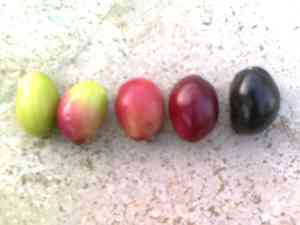
Java plum (Syzygium cumini)
Also known as: Black plum, Jambolan
Java plum (Syzygium cumini) is indigenous to Asia and Australia and flourishes in tropical and subtropical climates. It favors moist environments, particularly along riverbanks and in woodlands. The tree is prized for its edible fruit, which has a sweet-tart taste and is used in various culinary applications like sauces and jams. In the wild, its fruit is also a food source for numerous animals, including jackals and fruit bats.
In This Article
Attributes of Java plum
Lifespan
Perennial
Plant Type
Tree
Plant Height
14 m to 30 m
Spread
8 m to 11 m
Leaf Color
Green
Flower Size
2.5 cm
Flower Color
White
Images of Java plum
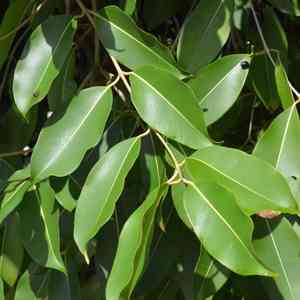
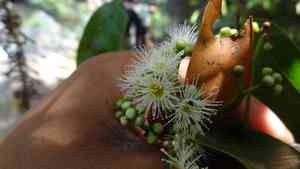
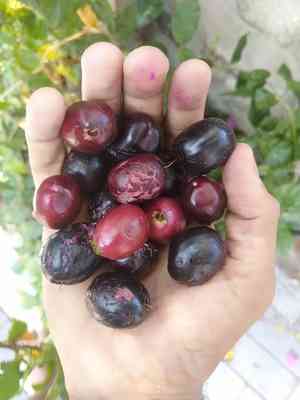
Quickly Identify Java plum
1
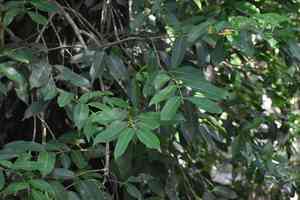
Identification skills involve looking for smooth, glossy leaves and large clusters of small white flowers. The tree produces oblong, dark purple to black berries.
Scientific Classification of Java plum
Phylum
Vascular plants
Class
Dicotyledons
Order
Myrtales
Family
Myrtle
Genus
Lillipillies
Species
Java plum
Planting and Growing of Java plum
Care Difficulty
Easy
Watering Schedule
Every 4 days
Sunlight Requirements
Partial sun
Sunshine Duration
6-10 hours
Ideal Temperature
75-85℉
Soil Type
Potting Mix, Peat Mix
Soil pH
6.5-7.5
Fertilizer Type
Balanced
Pruning Season
Spring, Summer
Pruning Area
Branches, Leaves
Pruning Frequency
2 times a year
Repotting Season
Spring
Pot Type
Plastic, Ceramic
 How to Water Java plum?
Syzygium cumini, commonly known as the Java Plum, requires moderate watering, ensuring the soil remains consistently moist but not waterlogged. When watering, aim for about 500 ml each time to sufficiently nourish the roots without causing them to rot. Look for soil that is damp down to a depth of about 5-7 cm, signaling adequate hydration. Adjust the amount based on the season—less during cooler months and slightly more during hotter periods.
More About Watering Techniques→
What are the symptoms of an underwatered Java plum?
›
What should I do if my Java plum is not getting enough water?
›
What are the symptoms of an overwatered Java plum?
›
How to save an overwatered Java plum?
›
 What Are the Sunlight Requirements for Java plum?
Syzygium cumini ideally thrives with partial to full sun exposure. Adequate light enhances growth, intensifies leaf color, and aids in flower and fruit development.
More About Sunlight Requirements Techniques→
What is the best lighting condition for Syzygium cumini?
›
How to achieve the ideal lighting condition?
›
What benefits do ideal lighting conditions offer?
›
 What Is the Ideal Temperature Range for Java plum?
The Jamun plant (Syzygium cumini) thrives best when temperatures are maintained within a range of 75°F to 85°F. This temperature range provides optimal conditions for growth, photosynthesis, and fruit production. It's essential to maintain stable temperatures within this range to ensure the plant's vigor and productivity. Deviations from this range can slow growth and affect fruit development.
 What Soil is Best for Java plum?
Syzygium cumini requires well-draining soil to prevent waterlogging, which can harm the roots. Good drainage ensures that the roots get sufficient oxygen and reduces the risk of root rot. The plant thrives in nutrient-rich soils that provide essential minerals and organic matter for robust growth. A rich soil supply supports healthy foliage and fruit production, making it essential for its development. While drainage is vital, Syzygium cumini also requires soils that retain moisture without becoming soggy. Moisture retention helps in sustaining the plant during dry spells and ensures consistent growth and fruiting.
More About Soil→
 How to Fertilize Java plum?
For Syzygium cumini, proper fertilization involves using approximately 150 grams of a balanced 10-10-10 NPK (Nitrogen, Phosphorus, and Potassium) fertilizer for mature trees. Younger plants can benefit from lighter fertilization of about 50 grams. Ensuring an adequate but not excessive amount will stimulate healthy growth and fruit production.
More About Fertilizing Techniques→
 How to Prune Java plum?
Begin by identifying dead, diseased, or damaged branches, which should be removed, as they can harbor pests and diseases. Next, focus on removing any branches that cross each other, rubbing or restricting new growth. Use sharp, clean pruning tools, and make your cuts at a 45-degree angle just above the node to encourage optimal healing and new growth. Consider the natural shape of Syzygium cumini when trimming to maintain a balanced and aesthetically pleasing form. Remove inward-growing branches to allow sunlight into the tree's interior, which is crucial for fruit production. Keeping the top of the tree narrower than the base ensures better light penetration and air circulation.
More About Pruning Techniques→
 How to Propagate Java plum plant?
1
Gather seeds from ripe fruit or choose healthy stems for cuttings from an existing plant. Ensure the seeds are cleaned and the cuttings free from disease or pests, as these can compromise the success rate of propagation.
2
Use a well-draining potting mix, ideally a combination of peat, perlite, and sand. This provides an optimal medium for seeds to germinate and cuttings to develop roots, ensuring adequate moisture retention without waterlogging.
3
Plant seeds at a depth of about one centimeter and cuttings several inches into the soil. Water thoroughly and place in a location receiving indirect sunlight. Maintain consistent moisture, especially during the first weeks after planting.
 How to Repot Java plum plant?
1
Syzygium cumini shows it's time to repot when you notice roots emerging from the drainage holes or if the plant appears root-bound. Spring or early summer is the optimal time to repot this plant because of its active growth period. Look for signs like yellowing leaves or slowed growth which indicate it's ready for a new pot.
2
When selecting a pot for your Syzygium cumini, aim for one that is just a couple of inches larger than the current pot. This helps in avoiding waterlogging and promotes healthy root growth. A pot with good drainage holes is crucial to prevent overwatering and root rot, ensuring your plant's longevity.
3
Opt for a well-draining loamy soil mix enriched with organic matter. This type of soil retains necessary moisture while permitting excess water to escape, ensuring roots receive both oxygen and nutrients. Such soil conditions mimic the plant's natural habitat, promoting vigorous and robust growth.
Learn More About Java plum Diseases
Anthracnose
Bacterial Leaf Spot
Bacterial Soft Rot
Bacterial Wilt
Crown Gall
Damping-off
Downy Mildew
Drought Stress
Fusarium Wilt
Gray Mold
Leaf Curl
Leaf Spot
Mosaic
Nutrient Deficiency
Nutrient Toxicity
Powdery Mildew
Root Rot
Root-knot Nematode
Rusts
Sooty Mold
Spider Mites
Temperature Stress
Thrips Damage
White Mold



