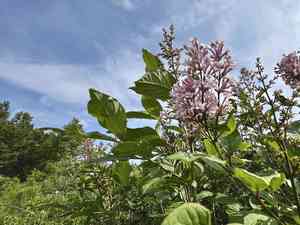
Late Lilac (Syringa villosa)
Also known as: Hairy Lilac, Chinese Tree Lilac
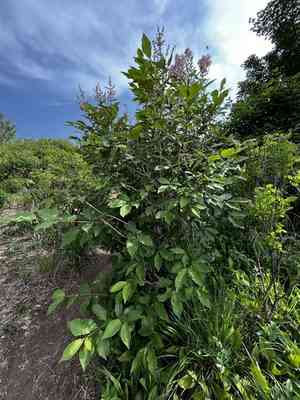
The Villous Lilac (Syringa villosa) is notable for its later blooming period compared to the common lilac. This shrub, which can reach heights of up to 4 meters, features flowers in a variety of colors, including purple, red, white, and pink. It is native to Korea, eastern Russia, and northern China.
In This Article
Attributes of Late Lilac
Lifespan
Perennial
Plant Type
Shrub
Plant Height
1.8 m to 3 m
Spread
1.8 m to 3 m
Leaf Color
Green Blue
Flower Size
2.5 cm
Flower Color
Pink White Purple
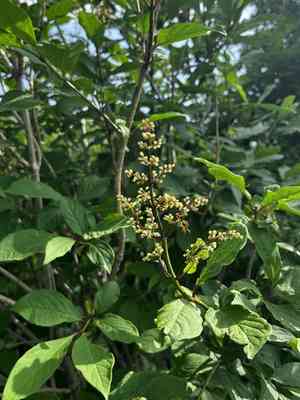
Images of Late Lilac

Quickly Identify Late Lilac
1
Rosy lilac to white flowers in dense pyramidal panicles (4-8 inches / 10-20 cm long).
2
Dark green leaves (2-7 inches / 5-18 cm long) with impressed veins and pubescent texture.
3
Small brown capsules (0.5-1 inch / 1.27-2.54 cm) on branch ends, splitting to release winged seeds.
4
Sturdy trunk transitioning from smooth to scaly bark, exhibiting lenticels for gas exchange.
5
Preference for fertile, moderately damp, somewhat acidic soil with a pH of 5.5-8.0.
Scientific Classification of Late Lilac
Phylum
Vascular plants
Class
Dicotyledons
Order
Lamiales
Family
Olive
Genus
Lilacs
Species
Late Lilac
Planting and Growing of Late Lilac
Care Difficulty
Easy
Watering Schedule
Every 4 days
Sunlight Requirements
Full sun
Sunshine Duration
4-6 hours
Ideal Temperature
60-75℉
Soil Type
Potting Mix, Peat Mix
Soil pH
6.5-7.5
Fertilizer Type
Balanced
Pruning Season
Spring, Summer
Pruning Area
Branches, Leaves
Pruning Frequency
2 times a year
Repotting Season
Spring
Pot Type
Plastic, Ceramic
 How to Water Late Lilac?
For Syringa villosa, the ideal watering amount is about 500 milliliters each time. Water until the top 2-3 inches of soil feel well-moistened, ensuring that excess water drains away to prevent root rot. This plant appreciates deep watering every time.
More About Watering Techniques→
What are the symptoms of an underwatered Late Lilac?
›
What should I do if my Late Lilac is not getting enough water?
›
What are the symptoms of an overwatered Late Lilac?
›
How to save an overwatered Late Lilac?
›
 What Are the Sunlight Requirements for Late Lilac?
Syringa villosa thrives best under full sun for optimal blooming. Ideal light leads to efficient photosynthesis, promoting vigorous growth, healthy foliage, and a profusion of flowers that attract desirable wildlife to the garden.
More About Sunlight Requirements Techniques→
What is the ideal light for Syringa villosa?
›
How to achieve ideal sunlight exposure for Syringa villosa?
›
Benefits of Syringa villosa receiving ideal sunlight
›
 What Is the Ideal Temperature Range for Late Lilac?
The ideal temperature range for cultivating Syringa villosa is between 60°F and 75°F. This range ensures the plant grows vigorously and produces healthy foliage and flowers. Maintaining this temperature range helps optimize photosynthesis and nutrient uptake.
 What Soil is Best for Late Lilac?
Syringa villosa thrives in well-drained soil to prevent root rot. This type of soil ensures that excess water passes through efficiently, reducing the risk of overwatering. Maintaining a moist, but not waterlogged, soil environment is crucial for the healthy growth of Syringa villosa. Adequate moisture helps sustain plant vitality and flower production. Rich soil enriched with organic matter supports robust growth in Syringa villosa. Nutrients from compost or aged manure provide essential sustenance for vibrant foliage and blooms.
More About Soil→
 How to Fertilize Late Lilac?
For Syringa villosa, apply liquid fertilizers at a rate of 1 teaspoon per gallon of water, ensuring it's mixed well before use. Slow-release fertilizers should be used sparingly, around 1/4 pound per plant per application. This ensures the nutrients are released gradually, benefiting the plant over time rather than overwhelming it.
More About Fertilizing Techniques→
 How to Prune Late Lilac?
Pruning Syringa villosa is best done right after the flowering season, usually in late spring or early summer. This timing allows the plant to recover and develop new shoots in time for the next year's bloom. Start by removing any dead, diseased, or damaged branches. Then focus on thinning out the plant to improve air circulation, which helps prevent mildew and other diseases.
More About Pruning Techniques→
 How to Propagate Late Lilac plant?
1
Gather ripe seeds from a healthy Syringa villosa plant in early spring. Dry them naturally and store in a cool, dry place until you are ready to sow.
2
In the spring, take semi-hardwood cuttings of about 10-15 cm from healthy branches, making sure each cutting has at least two sets of leaves.
3
Sow seeds or plant cuttings in well-draining soil, keeping them in a warm and humid environment. Water lightly to maintain moisture without waterlogging.
 How to Repot Late Lilac plant?
1
Signs for repotting Syringa villosa include roots growing out of the drainage holes, stunted growth, or soil drying out quickly after watering. The best time to repot is during early spring or autumn, when the plant is not actively flowering and can recover quickly from any root disturbance.
2
Select a pot that is one size larger than the current one, with good drainage holes to prevent waterlogging. Ceramic or plastic pots both work well, but ensure it complements your plant's aesthetic and offers adequate stability. A larger pot promotes healthier root growth and better nutrient access.
3
Pick a well-draining loamy soil mixed with some compost to enhance nutrient content. This soil structure allows for good air circulation and moisture retention without becoming soggy, which helps in preventing root rot and supports healthy plant growth.



