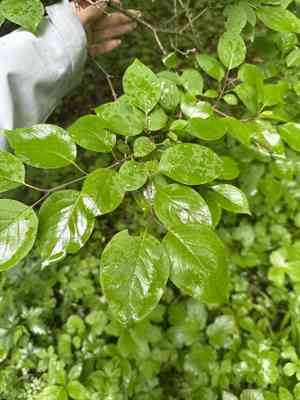
Syringa reticulata subsp. amurensis (Syringa reticulata subsp. amurensis)
Also known as: Amur Tree Lilac, Japanese Tree Lilac
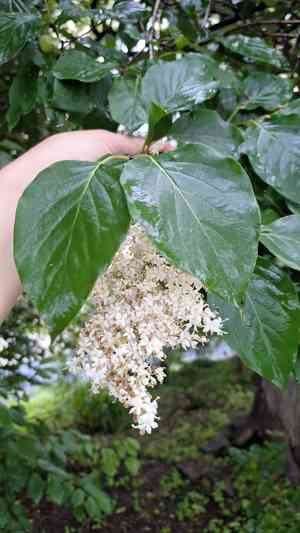
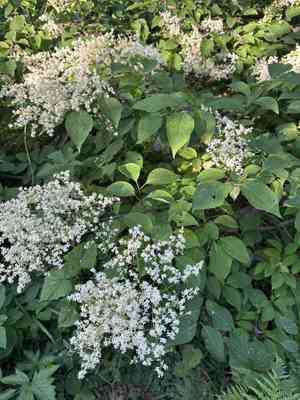
Syringa reticulata subsp. amurensis, or the Amur lilac, is a versatile deciduous shrub or small tree noted for its large clusters of fragrant, creamy-white flowers that appear in late spring to early summer. It features exfoliating, reddish-brown bark and dark green, ovate leaves that turn yellow in the autumn. This plant flourishes in well-drained soils and prefers slightly acidic to neutral pH levels. It is cold-hardy and can thrive in USDA zones 3-7. The Amur lilac is appreciated for its low maintenance and ability to attract pollinators, making it a popular choice for ornamental landscaping.
In This Article
Attributes of Syringa reticulata subsp. amurensis
Lifespan
Perennial
Plant Type
Tree, Shrub
Plant Height
1.8 m to 2.5 m
Spread
1.2 m to 1.8 m
Leaf Color
Green
Flower Size
2.5 cm
Flower Color
White
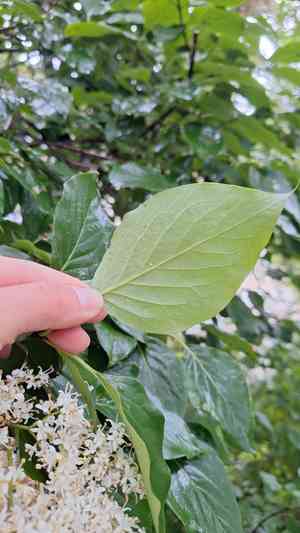
Images of Syringa reticulata subsp. amurensis
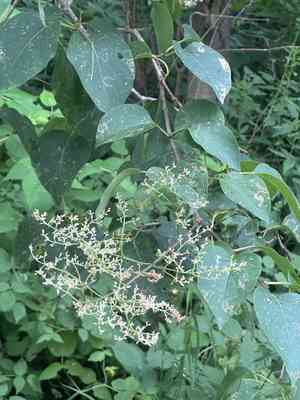
Quickly Identify Syringa reticulata subsp. amurensis
1
Broadly ovate leaves, 2-4 inches (5-10 cm) long, with acuminate tips and sunken veins.
2
Smooth, glossy bark that peels on younger branches, transitioning from reddish to brown.
3
Capsule fruits in loose clusters, persisting in winter, with a broad base and blunt apex.
4
Trunk exfoliates to reveal chestnut-brown inner bark with prominent lenticels for gas exchange.
5
Resilient decidorial foliage, with a rounded growth habit and moderate-sized fruit capsules.
Scientific Classification of Syringa reticulata subsp. amurensis
Phylum
Vascular plants
Class
Dicotyledons
Order
Mints plantains olives and allies
Family
Olive
Genus
Lilacs
Species
Syringa reticulata subsp. amurensis
Planting and Growing of Syringa reticulata subsp. amurensis
Care Difficulty
Easy
Watering Schedule
Every 3 days
Sunlight Requirements
Full sun
Sunshine Duration
4-6 hours
Ideal Temperature
60-75℉
Soil Type
Potting Mix, Peat Mix
Soil pH
6.5-7.5
Fertilizer Type
Balanced
Pruning Season
Spring, Summer
Pruning Area
Branches, Leaves
Pruning Frequency
2 times a year
Repotting Season
Spring
Pot Type
Plastic, Ceramic
 How to Water Syringa reticulata subsp. amurensis?
For Syringa reticulata subsp. amurensis, it's essential to water deeply until the soil is moist but not waterlogged. This plant prefers well-drained soil, and each watering session should involve approximately 2000 ml to ensure adequate moisture while preventing the roots from sitting in water.
What are the symptoms of an underwatered Syringa reticulata subsp. amurensis?
›
What should I do if my Syringa reticulata subsp. amurensis is not getting enough water?
›
What are the symptoms of an overwatered Syringa reticulata subsp. amurensis?
›
How to save an overwatered Syringa reticulata subsp. amurensis?
›
 What Are the Sunlight Requirements for Syringa reticulata subsp. amurensis?
Partial to full sun conditions are ideal. Optimal light exposure encourages robust flowering and leaf development, providing adequate resources for energy production and improving plant structure.
How much sunlight does it need?
›
What are the solutions to achieve ideal lighting?
›
What benefits does it gain from ideal lighting?
›
 What Is the Ideal Temperature Range for Syringa reticulata subsp. amurensis?
The ideal temperature range for Syringa reticulata subsp. amurensis is between 60°F and 75°F. In this range, the plant will experience optimal growth, benefiting from moderate warmth without the stress of extreme temperatures. This range supports photosynthesis and overall metabolism efficiently.
 What Soil is Best for Syringa reticulata subsp. amurensis?
Syringa reticulata subsp. amurensis thrives in nutrient-rich soil. A soil rich in organic matter provides the necessary nutrients for this plant's growth, promoting lush foliage and abundant flowering. Regularly incorporating compost into the soil enriches it with essential minerals. This species requires well-drained soil to prevent root rot. Ensuring that the soil has adequate drainage properties keeps the roots healthy, supporting overall plant vitality and long-term survival. While good drainage is important, this plant also appreciates soil that can retain some moisture. Striking this balance helps the plant during dryer periods, maintaining hydration and reducing stress.
 How to Fertilize Syringa reticulata subsp. amurensis?
For Syringa reticulata subsp. amurensis, the appropriate fertilizer amount should consider the plant's size and maturity. Generally, applying about 100 to 150 grams of balanced granular fertilizer per adult tree annually is adequate. For liquid fertilizers, a diluted solution of approximately half-strength as per label directions should be used per application. Avoid over-fertilizing, as it may lead to salt build-up in the soil, which can harm the plant.
 How to Prune Syringa reticulata subsp. amurensis?
Begin by examining the overall structure of the Syringa reticulata subsp. amurensis. Identify any dead, diseased, or damaged branches that need to be removed. Look for branches that are crossing or growing inward, which might hinder optimal growth and blooming. Cut back any excessively long or unruly branches to maintain the desired shape and size. Focus on keeping an open center for better airflow. Trim off any suckers and water sprouts emanating from the base or along the main branches to direct the plant's energy to the main structure. After doing the structural and health cuts, shift focus to encourage healthy new growth. Make sure you are cutting back to a node or an outward-facing bud to foster outward growth, which helps in fuller blooms and a more balanced plant.
More About Pruning Techniques→
 How to Propagate Syringa reticulata subsp. amurensis plant?
1
Start by collecting seeds from mature lilac trees in autumn. Clean them thoroughly and store them in a dry, cool place. Stratify the seeds in the refrigerator for several weeks to break dormancy before sowing in early spring.
2
Select healthy, non-flowering stems in early summer for cuttings. Use sterilized pruning shears to take 6-inch cuttings. Remove the lower leaves and dip the cut end in rooting hormone before planting it in a pot filled with well-draining soil.
3
Division can be done in early spring or late autumn. Gently dig up the whole plant and carefully separate the roots into sections, ensuring each section has ample roots and shoots. Replant the divisions immediately and water thoroughly.
 How to Repot Syringa reticulata subsp. amurensis plant?
1
Amur Lilac typically needs repotting when its roots are visibly outgrowing the current pot, or if water is not draining efficiently. Spring and autumn are ideal; the plant is less stressed and can acclimate quicker during these cooler, moderate seasons.
2
Select a pot 2-4 inches larger in diameter than the current one. Ensure it has adequate drainage holes to prevent root rot. A slightly heavier pot can help stabilize this plant, which might become top-heavy, reducing the risk of tipping over.
3
Opt for a well-draining loamy soil mix. This type of soil aids in efficient water drainage while retaining essential nutrients, promoting healthy root development and preventing oversaturation, which is crucial for the health of Syringa reticulata subsp. amurensis.



