
Syringa oblata (Syringa oblata)
Also known as: Lilac, Manchurian lilac, Large-leaved lilac
Syringa oblata, known as early lilac, is a deciduous shrub celebrated for its fragrant, early-spring blossoms. The flowers, appearing in shades from pale purple to lilac, grow in dense clusters and are highly attractive to pollinators. The shrub features broad, heart-shaped leaves and has a rounded growth form. It thrives best in temperate climates, requiring well-drained soil and full sunlight, and its early blooms signal the arrival of spring.
In This Article
Attributes of Syringa oblata
Lifespan
Perennial
Plant Type
Shrub
Plant Height
2.5 m to 3.5 m
Spread
2.5 m to 3.5 m
Leaf Color
Dark green
Flower Size
15 cm
Flower Color
Light purple to pink
Images of Syringa oblata
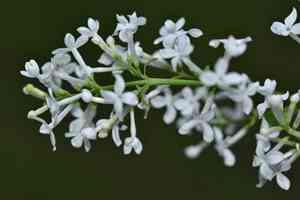
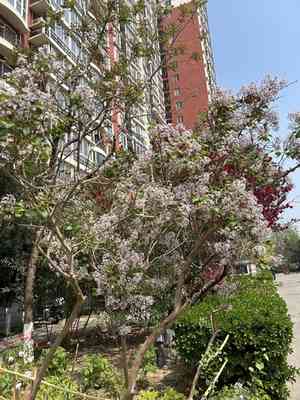
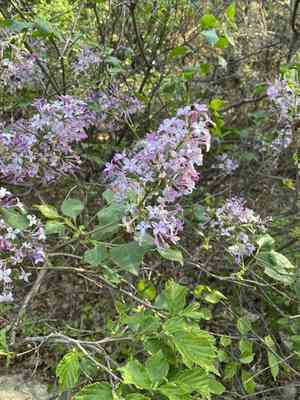
Quickly Identify Syringa oblata
1
Fragrant lilac-purple tubular flowers, 0.5 inches (1.3 cm) wide, in panicles 2-7 inches (5-18 cm) long.
2
Dark bluish-green heart-shaped leaves, 2-4 inches (5-10 cm) long, with bronze-red new growth and reddish autumn color.
3
Multi-trunked woody stem with upright branches, gray to brown, up to 2 inches (5 cm) diameter at base.
4
Resilient plant tolerating summer heat up to 86°F (30°C) and winter cold down to -4°F (-20°C).
5
Lush ornamental tree with vibrant clusters of fragrant tubular flowers and broad, heart-shaped leaves.
Scientific Classification of Syringa oblata
Phylum
Vascular plants
Class
Dicotyledons
Order
Mints plantains olives and allies
Family
Olive
Genus
Lilacs
Species
Syringa oblata
Planting and Growing of Syringa oblata
Care Difficulty
Easy
Watering Schedule
Every 2 days
Sunlight Requirements
Full sun
Sunshine Duration
6-10 hours
Ideal Temperature
60-75℉
Soil Type
Potting Mix, Peat Mix
Soil pH
6.5-7.5
Fertilizer Type
Balanced
Pruning Season
Spring, Summer
Pruning Area
Branches, Leaves
Pruning Frequency
2 times a year
Repotting Season
Spring
Pot Type
Plastic, Ceramic
 How to Water Syringa oblata?
Syringa oblata, or the early lilac, requires careful water management to thrive. Ensure the soil is moist but not waterlogged by providing approximately 500 ml of water per session, allowing for deep penetration into the soil while avoiding water sitting on the surface.
What are the symptoms of an underwatered Syringa oblata?
›
What should I do if my Syringa oblata is not getting enough water?
›
What are the symptoms of an overwatered Syringa oblata?
›
How to save an overwatered Syringa oblata?
›
 What Are the Sunlight Requirements for Syringa oblata?
Syringa oblata needs full to partial sun exposure. Ideal lighting ensures optimal blooming and healthy foliage, promoting vigorous growth. Consistent light also harmonizes flowering with the plant's natural cycle.
What are the optimal sunlight conditions for Syringa oblata?
›
How can Syringa oblata achieve its ideal sunlight exposure?
›
What benefits does Syringa oblata get from ideal lighting?
›
 What Is the Ideal Temperature Range for Syringa oblata?
The ideal temperature range for Syringa oblata, commonly known as early blooming lilac, is between 60°F and 75°F. These conditions allow for optimal growth and blooming, as they simulate the plant's natural environment, promoting healthy leaf development and flower production.
 What Soil is Best for Syringa oblata?
Syringa oblata thrives in soil with excellent drainage capabilities. This prevents waterlogging, which can lead to root rot and other water-related diseases, ensuring vibrant, healthy growth. Rich, loamy soil abundant in organic matter supports the robust growth of Syringa oblata. The presence of essential nutrients promotes lush foliage and magnificent blooms, a trademark of healthy lilac bushes. While tolerant of a range of pH levels, Syringa oblata often shows a preference for slightly alkaline soils. This pH condition optimizes nutrient availability and contributes to more vibrant flowering.
 How to Fertilize Syringa oblata?
Syringa oblata benefits from a well-balanced fertilizer. For liquid fertilizers, a concentration of 1/2 strength recommended for houseplants works best. For granular fertilizers, approximately 1 pound per 100 square feet is advisable, ensuring it is lightly incorporated into the soil.
 How to Prune Syringa oblata?
Locate and remove any dead, damaged, or weak branches first. This initial step is crucial for maintaining the lilac’s overall health. Use sharp pruning shears to make clean cuts at a slight angle near the bud of a healthy branch, promoting optimal regrowth and shape. Thin out overcrowded areas by selectively removing branches that are rubbing against each other, enhancing air circulation and sunlight penetration. Shape the lilac by gently trimming branches to maintain a balanced and pleasing natural form, avoiding severe cutting back which may reduce flowering. After pruning, apply a layer of mulch at the base to conserve moisture, suppress weeds, and provide a neat appearance.
More About Pruning Techniques→
 How to Propagate Syringa oblata plant?
1
Allow seed pods to dry on the plant before collecting them. Store the seeds in a cool, dry place until planting season. It is crucial to keep them dry to prevent mold growth.
2
Select healthy branches from the parent plant and cut 6-8 inch segments. Remove any leaves from the bottom half and dip the cut end in rooting hormone.
3
Carefully dig up the entire plant and gently separate the root ball into sections. Each section should have roots and stems to thrive on its own.
 How to Repot Syringa oblata plant?
1
To determine when Syringa oblata needs repotting, look for roots starting to protrude from the drainage holes, reduced growth, or when the soil drains too quickly, indicating root congestion.
2
Select a pot that is 1-2 inches larger in diameter than the current one. A pot with adequate drainage holes ensures excess water escapes, preventing root rot and maintaining healthy growth.
3
Opt for a well-draining, loamy soil mix that allows proper water retention and air circulation. This provides essential nutrients and supports healthy root development for Syringa oblata.



