
Meyer lilac (Syringa meyeri)
Also known as: Lilac
Meyer lilac is an intriguing shrub with an unclear history, as its exact origins remain a mystery. Although its native range is northern China, there is no documented evidence of the plant being discovered in the wild. In horticulture, Meyer lilac is commonly grown in the 'Palibin' cultivar, which is favored for its compact growth and fragrant blooms.
In This Article
Attributes of Meyer lilac
Lifespan
Perennial
Plant Type
Shrub
Plant Height
4-6 feet (1.2-1.8 meters)
Spread
5-7 feet (1.5-2.1 meters)
Leaf Color
Dark Green
Flower Size
0.4-0.6 inches (1-1.5 cm)
Flower Color
Purple
Images of Meyer lilac



Quickly Identify Meyer lilac
1
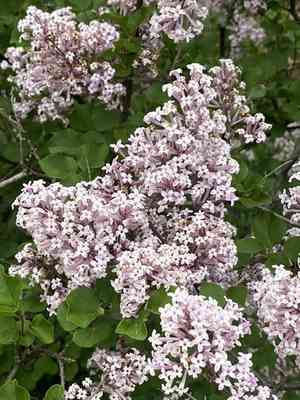
Look for a compact shrub with heart-shaped, dark green leaves, and dense clusters of small, lilac-purple flowers that bloom in late spring. The flowers are fragrant and attract pollinators such as butterflies and bees.
Scientific Classification of Meyer lilac
Phylum
Vascular plants
Class
Dicotyledons
Order
Lamiales
Family
Olive
Genus
Lilacs
Species
Meyer lilac
Planting and Growing of Meyer lilac
Care Difficulty
Easy
Watering Schedule
Every 3 days
Sunlight Requirements
Full sun
Sunshine Duration
6-10 hours
Ideal Temperature
60-75℉
Soil Type
Potting Mix, Peat Mix
Soil pH
6.5-7.5
Fertilizer Type
Balanced
Pruning Season
Spring, Summer
Pruning Area
Branches, Leaves
Pruning Frequency
2 times a year
Repotting Season
Spring
Pot Type
Plastic, Ceramic
 How to Water Meyer lilac?
The watering amount for Syringa meyeri should be around 500 ml per session. This is enough to moisten the root zone without causing waterlogging. Water slowly until it starts draining out of the bottom to ensure deep root penetration.
What are the symptoms of an underwatered Meyer lilac?
›
What should I do if my Meyer lilac is not getting enough water?
›
What are the symptoms of an overwatered Meyer lilac?
›
How to save an overwatered Meyer lilac?
›
 What Are the Sunlight Requirements for Meyer lilac?
Syringa meyeri thrives in full sun to partial shade environments. Proper sunlight encourages prolific blooming and maintains healthy foliage, helping the plant achieve its ornamental potential.
What are the ideal lighting conditions for Syringa meyeri?
›
How can I achieve ideal lighting conditions for Syringa meyeri?
›
What are the benefits of achieving ideal lighting conditions?
›
 What Is the Ideal Temperature Range for Meyer lilac?
The ideal temperature range for growing Syringa meyeri is between 60°F to 75°F. This range provides the most suitable conditions for its growth and vitality. Maintaining this range helps the plant bloom optimally and thrive with minimal stress. Consistent temperatures within this range support healthy root and foliage development.
 What Soil is Best for Meyer lilac?
Syringa meyeri requires well-draining soil to prevent root rot. Loam or sandy loam provides the right balance, allowing excess water to escape while retaining enough moisture, which promotes healthy growth. This plant thrives in soil with moderate nutrient content. Soils rich in organic matter support balanced growth and flowering. Regular amendment with compost helps maintain these nutrient levels. Syringa meyeri can tolerate slightly alkaline soils. Maintaining soil pH between 6.5 and 7.5 allows optimal nutrient uptake and enhances plant vigor and bloom potential.
 How to Fertilize Meyer lilac?
For Syringa meyeri, use approximately 1/4 cup of a well-balanced fertilizer, like a 10-10-10 NPK formula, per plant. This ensures it gets adequate nutrients without overloading the soil. Always follow the instructions on the fertilizer package to match the plant's specific size and conditions.
 How to Prune Meyer lilac?
Before you begin, ensure your pruning tools are clean and sharp. Dull tools can cause damage to the plant, increasing the risk of disease. Cleaning them before use helps prevent the spread of diseases from one plant to another. Begin by removing any suckers growing at the base of the plant, which compete for nutrients. Then, cut back overly long stems to maintain a neat shape. For older bushes, consider removing one-quarter of the oldest branches to stimulate vigorous new growth. Once the main pruning is complete, step back and assess the overall shape of your lilac bush. Make any final adjustments to maintain symmetry and ensure good air circulation throughout the plant, which helps minimize disease issues.
More About Pruning Techniques→
 How to Propagate Meyer lilac plant?
1
Wait until the seeds from Syringa meyeri are mature and dry, then gently remove them from the plant, ensuring that you have enough seeds to account for non-ger-mination.
2
Select healthy, non-flowering stems and cut about 10-15 cm long sections. Remove the lower leaves and dip the cut end in rooting hormone before planting.
3
Select a flexible branch and gently bend it towards the ground. Strip a small section of bark, place it into the soil, and secure it with a stake. Water occasionally.
 How to Repot Meyer lilac plant?
1
You should consider repotting Syringa meyeri when you notice roots growing through the drainage holes, or when growth appears stunted. Another indicator may be when the soil doesn't retain moisture well. Spring or autumn are ideal times, as these seasons support root recovery and new growth.
2
Select a pot that is one size larger than the current one, ensuring it provides adequate drainage. A pot slightly wider than the root ball offers room for growth while avoiding overpotting. Good drainage prevents waterlogging, which can lead to root rot.
3
Opt for a loamy, well-draining soil mix suitable for woody plants. This type of soil holds necessary moisture while allowing excess to drain, preventing root rot. Enriched with organic matter, it supplies nutrients to support healthy growth.



