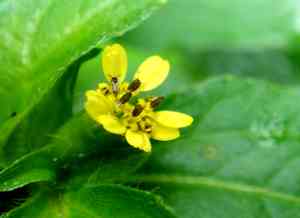
Nodeweed (Synedrella nodiflora)
Also known as: Cinderella Weed, Bay Biscayne Creeper
Nodeweed primarily affects corn and a variety of other crops. It originates from tropical America but has spread to various warm regions globally where growing conditions are suitable.
In This Article
Attributes of Nodeweed
Lifespan
Annual, Perennial
Plant Type
Herb
Plant Height
1.5 m
Spread
20 to 50 cm
Leaf Color
Green
Flower Size
4 mm to 5 mm
Flower Color
Yellow
Images of Nodeweed
Quickly Identify Nodeweed
1
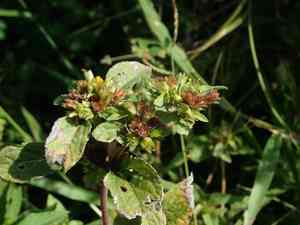
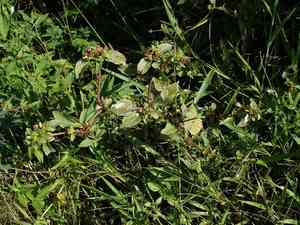
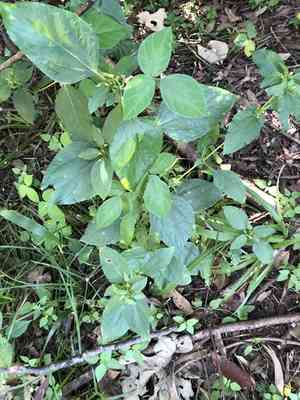
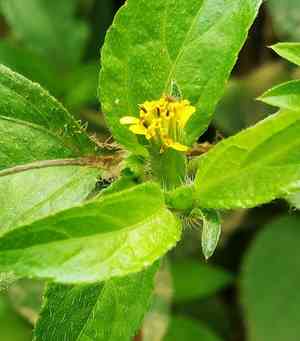
Synedrella nodiflora can be identified by its opposite, oblong leaves with serrated edges and small, yellow, star-shaped flowers that grow in clusters. The plant typically has a branching, green stem that can become woody at the base with age.
Scientific Classification of Nodeweed
Phylum
Vascular plants
Class
Dicotyledons
Order
Asterales
Family
Daisy
Genus
Synedrella
Species
Nodeweed
Planting and Growing of Nodeweed
Care Difficulty
Easy
Watering Schedule
Every 8 days
Sunlight Requirements
Partial sun
Sunshine Duration
4-8 hours
Ideal Temperature
68-77℉
Soil Type
Potting Mix, Peat Mix
Soil pH
5.5-7.5
Fertilizer Type
Balanced
Pruning Season
Spring, Summer
Pruning Area
Branches, Leaves
Pruning Frequency
2 times a year
Repotting Season
Spring
Pot Type
Terracotta, Plastic
 How to Water Nodeweed?
Synedrella nodiflora requires moderate watering, about 150 ml each time. It thrives best in slightly moist soil. Ensure the top inch of the soil feels dry before watering again. This way, you'll provide enough moisture without drowning the roots. Overwatering can cause the roots to rot, so aim to keep the balance.
What are the symptoms of an underwatered Nodeweed?
›
What should I do if my Nodeweed is not getting enough water?
›
What are the symptoms of an overwatered Nodeweed?
›
How to save an overwatered Nodeweed?
›
 What Are the Sunlight Requirements for Nodeweed?
Synedrella nodiflora benefits from partial to full sun, enhancing its foliage density and maintaining healthy growth, which improves its resilience and aesthetic value.
What is the ideal light condition for Synedrella nodiflora?
›
How can I achieve the best lighting conditions for this plant?
›
What benefits does optimal light exposure provide?
›
 What Is the Ideal Temperature Range for Nodeweed?
Maintaining the ideal temperature range of 68°F to 77°F is crucial for Synedrella nodiflora because it ensures optimal growth and health. This temperature range supports efficient photosynthesis and metabolic activities, leading to better growth and flowering potential.
 What Soil is Best for Nodeweed?
Synedrella nodiflora thrives in soil that drains well. This prevents root rot, a common issue with overly wet soil. Well-draining soil balances moisture retention and aeration, essential for healthy root growth. This plant prefers nutrient-rich soils that provide essential minerals. Adequate nutrition leads to strong growth and vibrant leaves, enhancing its resilience against pests and diseases. Moderate moisture retention ensures that the plant receives consistent hydration without exposure to water stress or dehydration. This stability in moisture levels supports steady growth.
 How to Fertilize Nodeweed?
For Synedrella nodiflora, it is essential to apply a balanced fertilizer. When using liquid fertilizers, dilute one teaspoon per gallon of water. For slow-release granules, use about 1/4 cup per plant to ensure the nutrients are absorbed steadily.
 How to Prune Nodeweed?
Begin by identifying and removing any dead or diseased parts of the plant. This helps direct energy to healthy growth and can prevent further infestation or disease spread. Prune to maintain the desired shape. Synedrella nodiflora benefits from being shaped regularly, which promotes bushier growth. Clip back any excessively long branches. When cutting, make your cuts at a 45-degree angle. This prevents water from pooling on the cut surface, which could lead to rot.
 How to Propagate Nodeweed plant?
1
Start by preparing a seed bed with well-draining, fertile soil. It's crucial to till the soil and incorporate organic matter to enhance seedlings' growth. Ensure the area receives adequate sunlight and water the bed before sowing seeds.
2
Select healthy stems from the parent plant that are non-flowering. Use pruning shears to cut segments about 10 cm long just below a node. Remove the lower leaves before planting the cutting in moist soil or a suitable rooting medium.
3
Gently dig up the entire plant, ensuring minimal disturbance to the root system. Carefully separate clumps with roots intact, ensuring each section has stems and leaves to support growth. Replant divisions immediately in well-prepared soil.
 How to Repot Nodeweed plant?
1
Check for roots coming out of the drainage holes, or if the plant's growth has noticeably slowed despite good care. These are strong indicators that Synedrella nodiflora needs a larger home. Spring or summer are ideal since they are its active growing seasons.
2
Choose a pot that is one size larger than the current one. It should have good drainage holes to prevent water logging, which Synedrella nodiflora detests. A slightly wider pot also helps accommodate its broadening root system, promoting healthy growth.
3
Opt for a well-draining loamy soil mix. This ensures the plant receives necessary nutrients while preventing water from stagnating. The loamy texture aids in retaining some moisture but not so much that it leads to root rot, which is crucial for a healthy Synedrella nodiflora.

