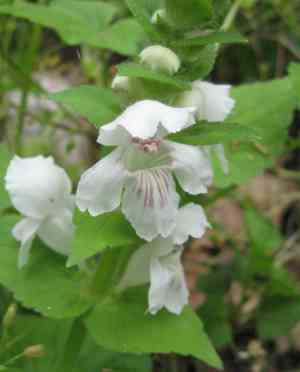
Guyandotte beauty (Synandra hispidula)
Also known as: Synandra hirsuta, False Nettle
This plant is known to be an annual, biennial, or perennial herb. However, research indicates it's a "strict biennial" in Kentucky and some populations in Ohio. It features oppositely arranged leaves with serrated edges and produces large yellow, white, or pinkish flowers from spring through summer. The blossoms are over 2 centimeters long, with some reaching up to 4 centimeters.
In This Article
Attributes of Guyandotte beauty
Lifespan
Perennial, Biennial
Plant Type
Herb
Plant Height
Approximately 1-2 feet (30-60 cm)
Spread
Usually does not form a significant crown
Leaf Color
Green
Flower Size
Approximately 1 inch (2.5 cm)
Flower Color
White
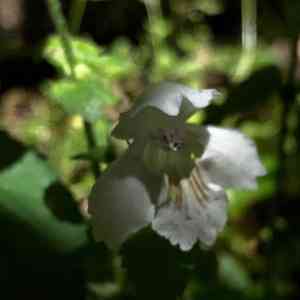
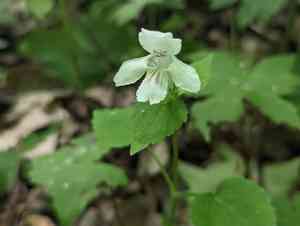
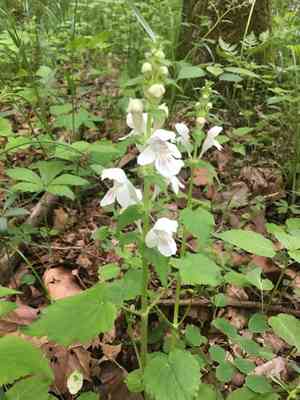
Images of Guyandotte beauty
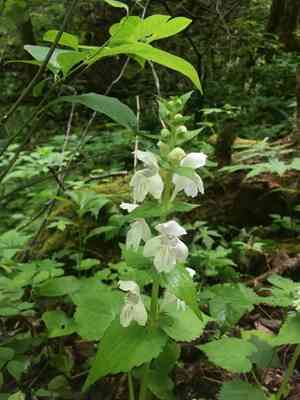
Quickly Identify Guyandotte beauty
1
To identify Synandra hispidula, look for its distinctive hairy leaves and stems. The plant has opposite leaves and small, tubular white flowers that appear in clusters at the top of the stems during spring.
Scientific Classification of Guyandotte beauty
Phylum
Vascular plants
Class
Dicotyledons
Order
Lamiales
Family
Mint
Genus
Synandra
Species
Guyandotte beauty
Planting and Growing of Guyandotte beauty
Care Difficulty
Easy
Watering Schedule
Every 3 days
Sunlight Requirements
Partial sun
Sunshine Duration
10-12 hours
Ideal Temperature
60-75℉
Soil Type
Potting Mix, Peat Mix
Soil pH
6.5-7.5
Fertilizer Type
Balanced
Pruning Season
Spring, Summer
Pruning Area
Branches, Leaves
Pruning Frequency
2 times a year
Repotting Season
Spring
Pot Type
Terracotta, Plastic
 How to Water Guyandotte beauty?
Synandra hispidula appreciates a balance between soggy and parched. Ideally, water until the top inch of the soil is thoroughly moistened without turning the pot into a swamp. This usually means about 250 ml of water per session, depending on pot size.
What are the symptoms of an underwatered Guyandotte beauty?
›
What should I do if my Guyandotte beauty is not getting enough water?
›
What are the symptoms of an overwatered Guyandotte beauty?
›
How to save an overwatered Guyandotte beauty?
›
 What Are the Sunlight Requirements for Guyandotte beauty?
Partial sun conditions are ideal for Synandra hispidula. These settings ensure balanced light levels, avoiding stress from overly intense or deficient lighting. Optimal light maintains lush foliage and healthy growth.
What is Synandra hispidula's ideal lighting condition?
›
How can you achieve these lighting conditions?
›
What are the benefits of ideal lighting for Synandra hispidula?
›
 What Is the Ideal Temperature Range for Guyandotte beauty?
The ideal temperature range for Synandra hispidula is between 60 and 75 degrees Fahrenheit. This range provides the optimal conditions for the plant's growth and photosynthesis processes. Maintaining this temperature range helps ensure effective nutrient absorption and supports healthy development.
 What Soil is Best for Guyandotte beauty?
Synandra hispidula thrives in well-drained soil, preventing waterlogging which can lead to root rot. Adequate drainage ensures roots receive necessary oxygen, promoting healthy growth and resilience. This plant benefits from a soil that is rich in organic matter, providing essential nutrients for its development. Nutrient-rich soil supports robust foliage and the production of vibrant flowers. While good drainage is crucial, maintaining consistent soil moisture helps avoid stress on the plant. Regular watering helps Synandra hispidula to grow steadily and bloom profusely.
 How to Fertilize Guyandotte beauty?
When fertilizing Synandra hispidula, ensure the application is light to moderate. Liquid fertilizers should be diluted to half the recommended strength to prevent overwhelming the plant. For slow-release fertilizers, sprinkle a small handful around the base of the plant. Avoid direct contact with the stems or leaves to prevent burn.
 How to Prune Guyandotte beauty?
Start by identifying any faded blooms or flowers starting to wilt. Hold the stem delicately near the base of the flower, and make a clean cut using your pruning shears. This not only tidies the plant but also encourages new blooms to replace the old ones. Inspect your Synandra hispidula for any leggy stems that might have grown unevenly. Trim these back to a lateral branch or leaf node, promoting a bushier growth pattern. Leggy stems often occur due to inadequate light, so consider adjusting the plant's position if this is a recurring issue.
 How to Propagate Guyandotte beauty plant?
1
Collect seeds from mature Synandra hispidula plants after flowering in late spring. Ensure the seeds are fully developed and free from damage or disease.
2
Fill seed trays with a well-draining potting mix and lightly press the seeds into the soil surface. Cover sparingly with a thin layer of soil, as seeds require light to germinate.
3
Regularly mist the soil to maintain moisture but avoid waterlogging, which can lead to fungal issues. Position trays in a bright, indirect light location for optimal growth.
 How to Repot Guyandotte beauty plant?
1
Look for signs such as roots growing out of the drainage holes, compacted soil, or reduced plant growth. These indicate that Synandra hispidula is in need of repotting to ensure it has enough space and nutrients to thrive.
2
Choose a pot that is one to two sizes larger than the current one, preferably with a drainage hole. This ensures proper root expansion without overwhelming the plant, and the drainage hole helps prevent waterlogging and root rot.
3
Use well-drained, loamy soil to ensure good water retention and nutrient availability. This type of soil provides an optimal environment for Synandra hispidula, allowing its roots to access nutrients and water efficiently while preventing waterlogged conditions.
Learn More About Guyandotte beauty Diseases
Anthracnose
Bacterial Leaf Spot
Bacterial Soft Rot
Bacterial Wilt
Chemical Injury
Cyst Nematode
Damping-off
Downy Mildew
Drought Stress
Fusarium Wilt
Gray Mold
Leaf Spot
Mosaic
Nutrient Deficiency
Nutrient Toxicity
Powdery Mildew
Root Rot
Root-knot Nematode
Rusts
Sooty Mold
Spider Mites
Temperature Stress
Thrips Damage
White Mold



