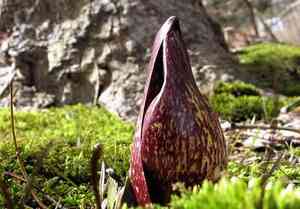
Eastern skunk cabbage (Symplocarpus foetidus)
Also known as: Foetid pothos, Meadow cabbage
Eastern skunk cabbage (Symplocarpus foetidus) contains poisonous compounds like calcium oxalate, which can cause pain if ingested. In the summer, the plant produces purple flowers and emits a foul odor. This unpleasant smell attracts pollinators such as scavenging flies, stoneflies, and bees, aiding in the plant's pollination process.
Attributes of Eastern skunk cabbage
Images of Eastern skunk cabbage
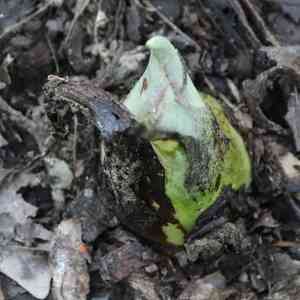
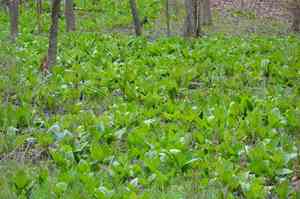
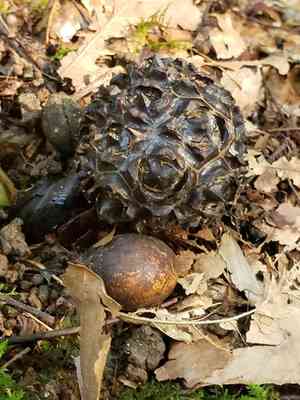
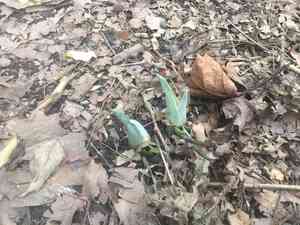
Quickly Identify Eastern skunk cabbage
Scientific Classification of Eastern skunk cabbage
Planting and Growing of Eastern skunk cabbage
 How to Water Eastern skunk cabbage?
 What Are the Sunlight Requirements for Eastern skunk cabbage?
 What Is the Ideal Temperature Range for Eastern skunk cabbage?
 What Soil is Best for Eastern skunk cabbage?
 How to Fertilize Eastern skunk cabbage?
 How to Prune Eastern skunk cabbage?
 How to Propagate Eastern skunk cabbage plant?
 How to Repot Eastern skunk cabbage plant?
Toxicity of Eastern skunk cabbage
Is Eastern skunk cabbage toxic to humans?
The Eastern skunk cabbage is recognized for its moderate toxicity, attributed to the presence of harmful calcium oxalate crystals along with other unidentified toxic substances. Every part of this plant is toxic when consumed, leading to significant discomfort in the mouth and digestive system, which includes a burning sensation and swelling of the lips, throat, and tongue. Additionally, it can result in gastrointestinal issues such as nausea, diarrhea, and vomiting, as well as excessive salivation and difficulties in swallowing. Care should be taken to avoid contact with the roots, as direct skin exposure can lead to itching, inflammation, and blister formation. It is particularly advised that pregnant women, nursing mothers, and those suffering from kidney stones keep a safe distance from this plant.
Is Eastern skunk cabbage toxic to cat?
Eastern skunk cabbage poses a significant risk of severe oral irritation in felines upon ingestion, which could result in swelling, vomiting, and challenges in eating or breathing. Each component of the plant is infused with calcium oxalate crystals that are remarkably sharp and cause intense pain upon contacting the animal's oral and digestive tissues. A visit to the veterinarian is strongly recommended.
Is Eastern skunk cabbage toxic to dog?
Eastern skunk cabbage poses a varying degree of toxicity to dogs, ranging from mild to severe, based on the quantity ingested. Fortunately, dogs infrequently consume substantial amounts due to the initial adverse reactions. Every part of this plant contains calcium oxalate, which, upon ingestion, triggers irritation, redness, and a burning sensation in the mouth and throat. This can result in excessive drooling, challenges with swallowing, and a diminished appetite. Symptoms such as an upset stomach, vomiting, and diarrhea are also typical outcomes following ingestion. In rare and extreme instances, consuming a significant amount can lead to coma or even death, making it essential to contact a veterinarian, even though such outcomes are exceedingly uncommon.



