
Calico aster (Symphyotrichum lateriflorum)
Also known as: Starved aster
The Black-eyed Susan (Rudbeckia hirta) is a flowering plant native to eastern North America. It is often grown in gardens for its vibrant yellow petals and dark central cones. This plant commonly thrives in fields, along forest edges, and in meadows.
In This Article
Attributes of Calico aster
Lifespan
Perennial
Plant Type
Herb
Plant Height
30 cm to 1.2 m
Spread
30 cm
Leaf Color
Green
Flower Size
2.5 cm
Flower Color
White Yellow Pink
Images of Calico aster
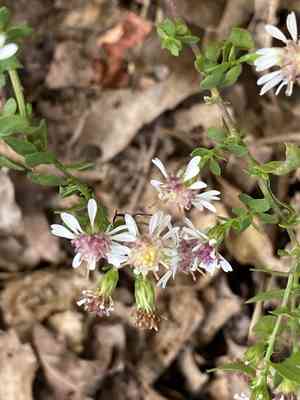
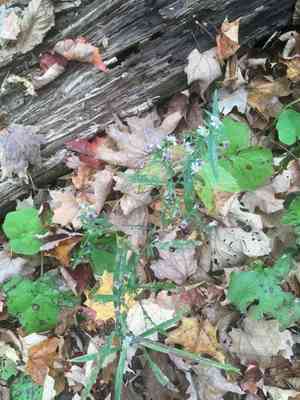
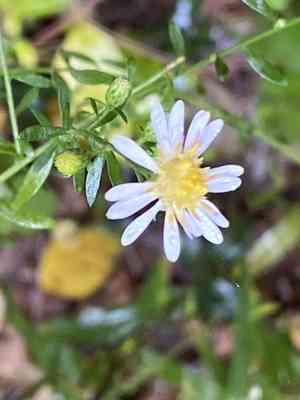
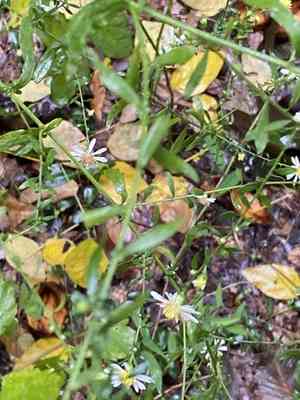
Quickly Identify Calico aster
1
Slender stems with fine white hairs
2
Smooth-edged lanceolate to elliptic leaves
3
Dainty daisy-like flowers with yellow centers
4
Small achenes with tufts of pappus for wind dispersal
5
Light green to reddish-brown stems with linear branching
Scientific Classification of Calico aster
Phylum
Vascular plants
Class
Dicotyledons
Order
Asterales
Family
Daisy
Genus
Asters
Species
Calico aster
Planting and Growing of Calico aster
Care Difficulty
Easy
Watering Schedule
Every 3 days
Sunlight Requirements
Partial sun
Sunshine Duration
4-8 hours
Ideal Temperature
65-75℉
Soil Type
Potting Mix, Peat Mix
Soil pH
6.5-7.5
Fertilizer Type
Balanced
Pruning Season
Spring, Summer
Pruning Area
Branches, Leaves
Pruning Frequency
2 times a year
Repotting Season
Spring
Pot Type
Plastic, Ceramic
 How to Water Calico aster?
Watering Aster lateriflorus requires a balance, ensuring soil is evenly moist but not soggy. Aim for around 500 ml each time. This ensures the roots absorb enough moisture without waterlogging, promoting healthy growth and vibrant blooms.
What are the symptoms of an underwatered Calico aster?
›
What should I do if my Calico aster is not getting enough water?
›
What are the symptoms of an overwatered Calico aster?
›
How to save an overwatered Calico aster?
›
 What Are the Sunlight Requirements for Calico aster?
Symphyotrichum lateriflorum thrives best with partial sun exposure. Proper light ensures lush foliage and an abundant display of blooms while minimizing stress-related issues. Achieving this balance grants a vigorous, healthy plant with enhanced resilience.
More About Sunlight Requirements Techniques→
What is the optimal light level for growth?
›
How to achieve ideal lighting conditions?
›
What benefits does ideal light provide?
›
 What Is the Ideal Temperature Range for Calico aster?
The ideal temperature range for cultivating Symphyotrichum lateriflorum is between 65°F and 75°F. This range ensures optimal growth and flowering, as it closely mimics the plant's native environment in temperate regions.
 What Soil is Best for Calico aster?
Symphyotrichum lateriflorum thrives in well-drained soil, which prevents root rot and allows for adequate oxygen circulation around the roots. Ensuring the soil is well-drained helps maintain the overall health of the plant, promoting vibrant growth and robust flowering. This plant benefits from nutrient-rich soil which supplies essential nutrients such as nitrogen, phosphorus, and potassium. This nutrient availability supports healthy foliage and encourages prolific blooming, making the presence of organic matter or compost in the soil very beneficial. Although well-drained, maintaining a certain level of moisture is key for this plant to flourish. Soil that retains moisture without becoming waterlogged is ideal, as it supports the plant during dry periods and ensures consistent growth and vitality.
More About Soil→
 How to Fertilize Calico aster?
Symphyotrichum lateriflorum, commonly known as calico aster, requires careful attention to the amount of fertilizer used. For liquid fertilizers, apply approximately half the recommended strength on the product label, diluting it with water to avoid root burn. For slow-release fertilizers, use a balanced 10-10-10 formula, applying around one tablespoon per square foot over the root zone.
More About Fertilizing Techniques→
 How to Prune Calico aster?
Start by carefully examining the plant for brown, brittle, or diseased stems. Gently remove these sections to prevent further spread of disease and to allow more resources for healthy growth. Trim back any excessively long or wayward stems to encourage a more balanced shape. This not only enhances the overall appearance but also ensures better air circulation and light penetration. Make cuts just above a leaf node or a bud to promote outward growth. Always angle the cut slightly to prevent water from collecting on the cut surface, which can lead to rotting.
More About Pruning Techniques→
 How to Propagate Calico aster plant?
1
Collect seeds from the plant in the autumn when the seed heads are mature. Ensure the seeds are dry by storing them in a paper envelope to prevent mold growth.
2
Select healthy stems for cuttings, ensuring they are around 4 to 6 inches long. Remove the lower leaves to prevent rotting when planted in the growing medium.
3
In early spring, dig up mature plants and gently separate the root clumps. Replant the divisions immediately to reduce plant stress and promote root recovery.
 How to Repot Calico aster plant?
1
Consider repotting Symphyotrichum lateriflorum when you notice roots protruding from the pot's drainage holes, or the plant appears root-bound, hindering growth. These signs indicate insufficient space for root expansion, affecting water and nutrient uptake.
2
Select a pot that is about 1-2 inches larger in diameter than the current one. Ensure it has ample drainage holes to prevent waterlogging, which can lead to root rot. A properly sized pot allows for healthy root growth and stability.
3
Opt for a well-draining potting mix comprised of organic matter like peat or coco coir, and inorganic material such as perlite or sand. This blend maintains moisture without becoming soggy, avoiding root rot and promoting healthy growth.
Learn More About Calico aster Diseases
Anthracnose
Bacterial Leaf Spot
Bacterial Wilt
Crown Gall
Cyst Nematode
Damping-off
Downy Mildew
Drought Stress
Fusarium Wilt
Gray Mold
Leaf Spot
Mosaic
Nutrient Deficiency
Nutrient Toxicity
Powdery Mildew
Root Rot
Root-knot Nematode
Rusts
Sooty Mold
Spider Mites
Temperature Stress
Thrips Damage
White Mold
Chemical Injury



