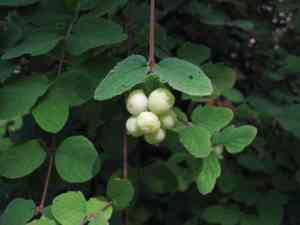
Creeping Snowberry (Symphoricarpos mollis)
Also known as: Mountain Snowberry, Southern California Snowberry, Spreading Snowberry, Sharp Leaf Snowberry
Creeping Snowberry (Symphoricarpos mollis), native to western North America, is generally regarded as edible. However, its berries contain saponins, compounds that impart a soapy taste. These berries typically ripen in late summer.
Attributes of Creeping Snowberry
Images of Creeping Snowberry
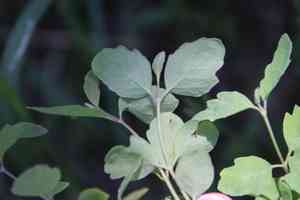
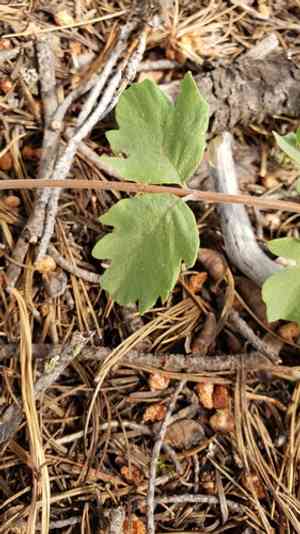
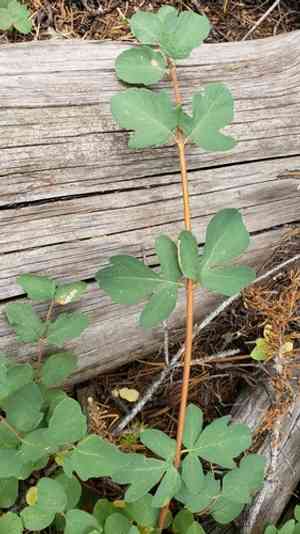
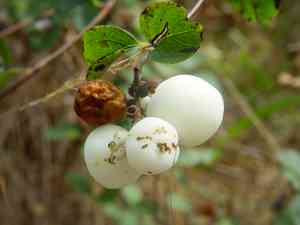
Quickly Identify Creeping Snowberry
Scientific Classification of Creeping Snowberry
Planting and Growing of Creeping Snowberry
 How to Water Creeping Snowberry?
 What Are the Sunlight Requirements for Creeping Snowberry?
 What Is the Ideal Temperature Range for Creeping Snowberry?
 What Soil is Best for Creeping Snowberry?
 How to Fertilize Creeping Snowberry?
 How to Prune Creeping Snowberry?
 How to Propagate Creeping Snowberry plant?
 How to Repot Creeping Snowberry plant?
Toxicity of Creeping Snowberry
Is Creeping Snowberry toxic to humans?
The toxicity associated with creeping Snowberry arises from either ingestion or direct contact with the plant. When consumed in large quantities, it poses a significant danger and necessitates immediate medical intervention. Even smaller amounts can lead to symptoms like vomiting, which help mitigate the risks involved. Direct contact with the plant may provoke skin rashes or irritation in individuals with sensitive skin. The berries themselves are especially toxic. Creeping Snowberry is commonly grown in gardens and parks, making it a frequent hazard for children and unsuspecting adults who might mistake the fruits for safe edibles.



