
Common snowberry (Symphoricarpos albus)
Also known as: Snowberry bush
Red Osier Dogwood (Cornus sericea) is a deciduous shrub known for its vibrant red stems. It flourishes in floodplains and woodlands across Canada and the United States. This shrub plays a crucial role in preventing soil erosion and supports local ecosystems by providing food for wildlife such as deer, bears, and longhorn sheep. Additionally, Red Osier Dogwood is often used in landscaping for its aesthetic appeal.
Attributes of Common snowberry
Images of Common snowberry


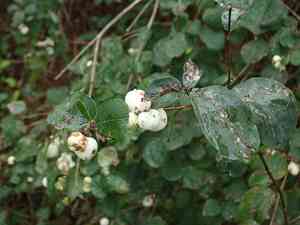

Quickly Identify Common snowberry
Scientific Classification of Common snowberry
Planting and Growing of Common snowberry
 How to Water Common snowberry?
 What Are the Sunlight Requirements for Common snowberry?
 What Is the Ideal Temperature Range for Common snowberry?
 What Soil is Best for Common snowberry?
 How to Fertilize Common snowberry?
 How to Prune Common snowberry?
 How to Propagate Common snowberry plant?
 How to Repot Common snowberry plant?
Toxicity of Common snowberry
Is Common snowberry toxic to humans?
The berries of the common snowberry are regarded as mildly toxic due to the presence of saponins in their chemical structure. Consumption of these berries can lead to symptoms such as diarrhea and vomiting. It might be possible to accidentally consume the raw fruit, as various parts of the plant have been utilized in traditional medicine to address a range of health conditions, including the common cold and tuberculosis.
Is Common snowberry toxic to cat?
Common snowberry possesses a slight toxic effect on cats. Should a cat consume the leaves or berries of common snowberry, especially in considerable quantities, it could suffer from physical discomfort or exhibit signs of illness. Pet owners ought to observe their feline companions for any unusual behaviors or symptoms that suggest ingestion. It is crucial to understand that despite the mild toxicity, consuming large amounts could lead to health risks. Consequently, cat owners are strongly encouraged to vigilantly supervise their pets in proximity to this plant and to seek veterinary assistance immediately if poisoning is suspected.
Is Common snowberry toxic to dog?
Common snowberry presents a mild toxicity hazard to dogs. Although this plant is not extremely toxic, consuming it in significant amounts can result in poisoning. Dogs might be inclined to munch on the fruits and leaves of common snowberry, which are the harmful components of the plant. If a dog ingests these parts, it may show signs such as gastrointestinal distress, vomiting, or diarrhea. Therefore, it's important for dog owners to keep an eye on their pets and discourage them from eating large quantities of common snowberry. If poisoning is suspected, seeking immediate veterinary attention is vital to safeguard the health and well-being of the affected dog.



