Succisella (Succisella) (Succisella)
Also known as: Small Scabious, Devil’s-bit-like Scabious
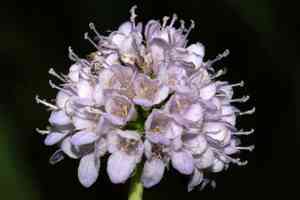
Succisella is a genus of flowering plants in the honeysuckle family Caprifoliaceae. It consists of perennial herbs characterized by their beautiful, often blue-purple flower heads and flattened, rosette-like basal leaves.
In This Article
Attributes of Succisella (Succisella)
Lifespan
Biennial
Plant Height
20 to 100 cm (8 to 39 inches)
Spread
Varies but generally not much wider than the height
Leaf Color
Green
Flower Size
1 to 2 cm (0.39 to 0.79 inches)
Flower Color
Blue, Purple, Pink
Images of Succisella (Succisella)
Quickly Identify Succisella (Succisella)
1
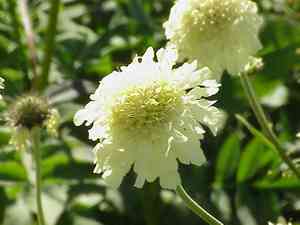
Look for rosette-like basal leaves and dense clusters of small, usually blue to purple flowers. The flowering stems are generally slender and can grow several feet tall.
Scientific Classification of Succisella (Succisella)
Phylum
Tracheophyta
Class
Magnoliopsida
Order
Dipsacales
Family
Caprifoliaceae
Genus
Succisella
Planting and Growing of Succisella (Succisella)
Care Difficulty
Moderate
Watering Schedule
Every 4 days
Sunlight Requirements
Full sun
Sunshine Duration
6-10 hours
Ideal Temperature
60-70℉
Soil Type
Potting Mix, Peat Mix
Soil pH
6.5-7.5
Fertilizer Type
Balanced
Pruning Season
Spring, Summer
Pruning Area
Branches, Leaves
Pruning Frequency
2 times a year
Repotting Season
Spring
Pot Type
Plastic, Ceramic
 How to Water Succisella (Succisella)?
For Succisella, ensure the soil is evenly moist but not waterlogged. Aim for 200 ml of water per watering to keep the roots healthy. The optimal way is to check that the top inch of soil feels dry before the next watering session.
What are the symptoms of an underwatered Succisella (Succisella)?
›
What should I do if my Succisella (Succisella) is not getting enough water?
›
What are the symptoms of an overwatered Succisella (Succisella)?
›
How to save an overwatered Succisella (Succisella)?
›
 What Are the Sunlight Requirements for Succisella (Succisella)?
Succisella thrives in partial to full sun, ideally with 4 to 6 hours of light. Proper lighting enhances its bloom and keeps the foliage lush and healthy.
Ideal Light Levels
›
Solutions for Ideal Light
›
Benefits of Ideal Light
›
 What Is the Ideal Temperature Range for Succisella (Succisella)?
The ideal temperature range for Succisella cultivation lies between 60°F and 70°F. This range provides optimal conditions for growth, ensuring that the plant can efficiently photosynthesize and carry out other metabolic processes. In this temperature bracket, the plant has the best chance to thrive, produce healthy foliage, and potentially flower when mature. Maintaining this ideal range protects the plant from the stress that can results from temperature fluctuations.
 What Soil is Best for Succisella (Succisella)?
Succisella thrives in well-drained soils, which prevent waterlogged conditions that could lead to root rot. This drainage capacity ensures healthy root development and optimal nutrient uptake. For optimal growth, Succisella prefers soils that retain a moderate level of moisture. This moisture ensures that the plant receives consistent hydration without being overwhelmed by excess water. A nutrient-rich soil enhances the growth of Succisella by providing essential nutrients. This type of soil supports robust leaf growth and strong stems, vital for the plant's health.
 How to Fertilize Succisella (Succisella)?
Succisella thrives with moderate fertilization. It's important not to overdo it, as this plant can be sensitive to high nutrient levels. Aim for light applications, using approximately 0.25 cup of balanced fertilizer per plant to ensure adequate nutrient supply without overwhelming the plant's natural nutrient uptake capacity.
 How to Prune Succisella (Succisella)?
Start by removing any dead or damaged stems by cutting them back to the base. Trim back excess growth to the desired shape by cutting just above a leaf node to encourage new growth. Pay attention to maintaining an open center to allow air circulation. Use sharp, clean pruning shears for precise cuts. For thicker, older branches, you may need loppers to make clean cuts without crushing the stems.
 How to Propagate Succisella (Succisella) plant?
1
Prepare seeds by stratifying them in a refrigerator for a few weeks. This process mimics natural winter conditions, breaking dormancy and encouraging germination when planted.
2
Select healthy branches and cut them at a node. Removing excess leaves helps focus the cutting's energy on root development. Ensure tools are sterilized to reduce infection risk.
3
Carefully divide the root ball of a mature plant during the early spring. This division allows the plant segments to develop independently, promoting healthy regrowth and successful propagation.
 How to Repot Succisella (Succisella) plant?
1
Succisella requires repotting when its roots start emerging from the drainage holes or the plant appears root-bound. A significant slowdown in growth or yellowing of leaves can also indicate that it's time for a change.
2
Select a pot that's one size larger than the current one, with adequate drainage holes to prevent waterlogging. Using a larger pot ensures room for root expansion, promoting healthier growth and stability.
3
Opt for well-draining loamy soil enriched with organic matter to provide the necessary nutrients. This type of soil helps maintain moisture without becoming too soggy, ensuring a balance essential for Succisella.
Learn More About Succisella (Succisella) Diseases
Anthracnose
Bacterial Leaf Spot
Bacterial Soft Rot
Bacterial Wilt
Damping-off
Downy Mildew
Drought Stress
Fusarium Wilt
Gray Mold
Leaf Spot
Mosaic
Nutrient Deficiency
Nutrient Toxicity
Powdery Mildew
Root Rot
Root-knot Nematode
Rusts
Sooty Mold
Spider Mites
Temperature Stress
Thrips Damage
White Mold

