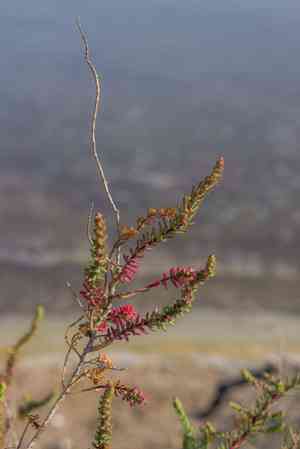
Shrubby sea-blite (Suaeda vera)
Also known as: Shrubby seablight
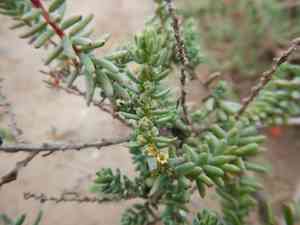
Shrubby sea-blite (Suaeda vera) played a crucial role as an African export in the 18th and 19th centuries due to its application in producing soda ash, a key ingredient for soap making. This plant thrives along the edges of salt marshes and creeks, featuring leaves that resemble flattened grapes.
In This Article
Attributes of Shrubby sea-blite
Lifespan
Perennial
Plant Type
Shrub
Plant Height
1 m to 2 m
Spread
Approximately 1 meter
Leaf Color
Green to reddish
Flower Size
1.5 mm
Flower Color
Yellow
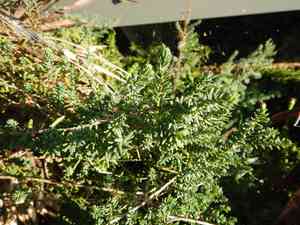
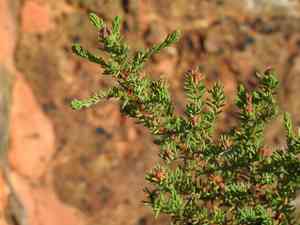
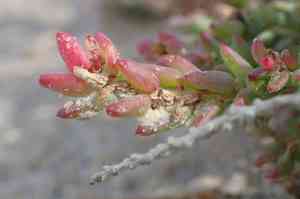
Images of Shrubby sea-blite
Quickly Identify Shrubby sea-blite
1
Look for fleshy, succulent leaves that are narrowly oblong and form in clusters. The plant often has a reddish stem and can grow in salty, alkaline soils.
Scientific Classification of Shrubby sea-blite
Phylum
Vascular plants
Class
Dicotyledons
Order
Caryophyllales
Family
Amaranth
Genus
Seepweeds
Species
Shrubby sea-blite
Planting and Growing of Shrubby sea-blite
Care Difficulty
Easy
Watering Schedule
Every day
Sunlight Requirements
Full sun
Sunshine Duration
6-8 hours
Ideal Temperature
50-77℉
Soil Type
Potting Mix, Peat Mix
Soil pH
6.5-8.5
Fertilizer Type
Balanced
Pruning Season
Spring, Summer
Pruning Area
Branches, Leaves
Pruning Frequency
2 times a year
Repotting Season
Spring
Pot Type
Plastic, Ceramic
 How to Water Shrubby sea-blite?
Suaeda vera, being a succulent plant that thrives in coastal areas, requires minimal watering. It's essential to follow the principle of 'less is more,' ensuring the soil is dry before the next watering. Typically, around 200 ml of water is sufficient for substantial moisture without causing saturation.
What are the symptoms of an underwatered Shrubby sea-blite?
›
What should I do if my Shrubby sea-blite is not getting enough water?
›
What are the symptoms of an overwatered Shrubby sea-blite?
›
How to save an overwatered Shrubby sea-blite?
›
 What Are the Sunlight Requirements for Shrubby sea-blite?
Suaeda vera thrives in full sun conditions, and this exposure level ensures vigorous growth and enhances its ability to withstand environmental stress.
Ideal Light Exposure
›
Solution to Achieve Optimal Light
›
Benefits of Ideal Light
›
 What Is the Ideal Temperature Range for Shrubby sea-blite?
The ideal temperature range for Suaeda vera is between 50°F and 77°F. This range provides an optimal environment to support its growth and health. Maintaining temperatures within this range helps ensure that the plant carries out photosynthesis efficiently, utilizes nutrients effectively, and maintains its structural integrity.
 What Soil is Best for Shrubby sea-blite?
Suaeda vera prefers soil that facilitates good drainage. This helps prevent root rot, a common issue in poorly-drained soils, ensuring healthy growth and development of the plant. It thrives in nutrient-rich soil that supports its growth. Having essential minerals aids in the plant's metabolic processes, promoting robust plant health and vibrant foliage. The plant requires a moderate moisture level in the soil, balancing between dryness and overly wet conditions. This helps the plant maintain optimal hydration without stress.
 How to Fertilize Shrubby sea-blite?
Suaeda vera is a halophytic plant that typically grows in saline environments. Therefore, it does not require heavy fertilization. A moderate application of liquid fertilizer, such as a 10-10-10 NPK balanced formula, should suffice. For liquid fertilizers, use approximately 100-150 ml per plant, ensuring not to oversaturate the soil.
 How to Prune Shrubby sea-blite?
Start by identifying dead, damaged, or discolored branches. These areas contribute to potential diseases and can hamper the plant's overall aesthetics. By removing them, you encourage healthier growth throughout. Thin out dense areas to ensure good air circulation, which reduces the risk of fungal diseases. Focus on cutting branches that cross or rub against each other to prevent damage. After removing damaged branches, shape the plant as desired, keeping it balanced with even growth on all sides. This not only enhances the plant's shape but also prepares it for more robust growth.
More About Pruning Techniques→
 How to Propagate Shrubby sea-blite plant?
1
Begin by collecting seeds from the Suaeda vera plant after it has flowered and the seeds have matured. Allow them to dry out completely, which can be done by placing them in a paper bag in a warm location.
2
Fill seedling trays with a well-draining soil mix and moisten it slightly. Scatter the seeds over the surface and lightly cover them with a thin layer of soil. Ensure seeds are evenly spaced to prevent overcrowding and promote proper air circulation.
3
Select healthy, disease-free branches for cuttings, preferably those that are semi-hardwood. Using sterilized pruning shears, cut a 4-6 inch segment, remove the lower leaves, and dip the cut end in rooting hormone to encourage root development.
 How to Repot Shrubby sea-blite plant?
1
Suaeda vera needs repotting when you notice roots emerging from the drainage holes, the plant appearing stunted, or soil losing its drainage capacity. These signs, often visible in the spring or early summer, indicate that the plant requires a larger pot or needs fresh soil for better growth.
2
Opt for a pot that's about 2-3 inches larger in diameter than the current one, with ample drainage holes. This size ensures sufficient room for growth without overwhelming the plant, preventing waterlogging, and encouraging healthy root development, key for the overall robustness of Suaeda vera.
3
Suaeda vera thrives in well-draining sandy soil, emulating its natural coastal habitat. This type of soil prevents water retention, reduces the risk of root rot, and supports the plant's growth. Incorporating some organic material can also enhance the soil's nutrient profile, promoting lush growth.



