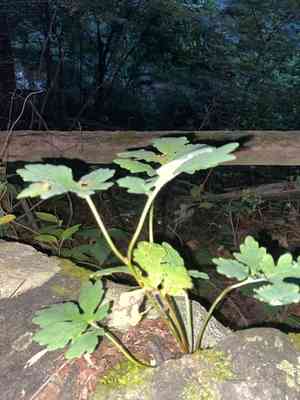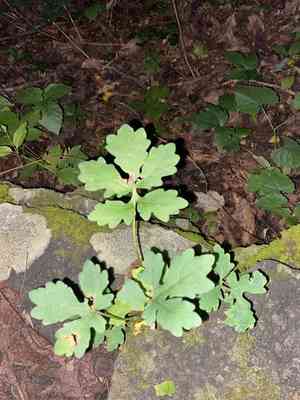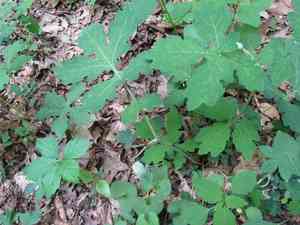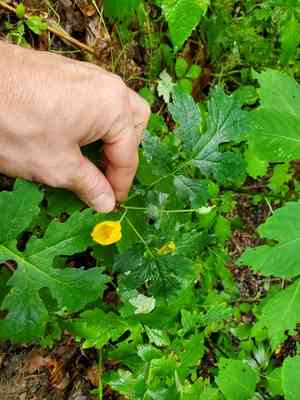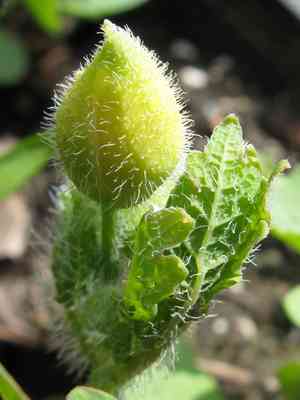
Celandine poppy(Stylophorum diphyllum)

Celandine poppy (Stylophorum diphyllum)

Also known as: Yellow wood poppy

Stylophorum diphyllum, commonly known as the Celandine Poppy or woods-poppy, is a perennial herb native to North America. Found in the eastern regions of the United States and Canada, this plant is listed as endangered in Canada.

Attributes of Celandine poppy

Lifespan
Perennial
Plant Type
Herb
Plant Height
50 cm
Spread
25 cm to 30 cm
Leaf Color
Green Blue
Flower Size
5 cm
Flower Color
Yellow

PlantJoy - Identify plants with a snap

Identify and diagnose plants, get toxicity alerts, and explore safety guides for all types of fungi.

Try for Free

Images of Celandine poppy

Celandine poppy(Stylophorum diphyllum)

Quickly Identify Celandine poppy

1
Bright yellow flowers with 4 petal-like structures, each 2 inches across (5 cm).
2
Distinct lobed, blue-green leaves, 6-8 inches wide (15-20 cm), near base and alternating up stem.
3
Conspicuous long style in center of flower, a defining characteristic.
4
Thin stems with yellow-orange sap, purplish base, and fine hairs covering surface.
5
Spindle-shaped, bristly fruit pod, 1 inch long, segmented with dark seeds within.

Scientific Classification of Celandine poppy

Phylum
Vascular plants
Class
Dicotyledons
Order
Ranunculales
Family
Poppy
Genus
Celandine-poppies
Species
Celandine poppy

Planting and Growing of Celandine poppy

Care Difficulty
Easy
Watering Schedule
Every 3 days
Sunlight Requirements
Partial sun
Sunshine Duration
4-10 hours
Ideal Temperature
60-75℉
Soil Type
Potting Mix, Peat Mix
Soil pH
6.5-7.5
Fertilizer Type
Balanced
Pruning Season
Spring, Summer
Pruning Area
Branches, Leaves
Pruning Frequency
2 times a year
Repotting Season
Spring
Pot Type
Plastic, Ceramic

water icon How to Water Celandine poppy?

Stylophorum diphyllum, commonly known as celandine poppy, requires moderate watering. It is essential to keep the soil consistently moist but not soggy. Aim to saturate the soil to a depth of about 3 to 4 inches, which generally equates to approximately 250 milliliters per session.
What are the symptoms of an underwatered Celandine poppy?
What should I do if my Celandine poppy is not getting enough water?
What are the symptoms of an overwatered Celandine poppy?
How to save an overwatered Celandine poppy?

sunlight icon What Are the Sunlight Requirements for Celandine poppy?

Sunlight Requirements: Partial sun, Full shade
Duration of light: 2 to 6 hours
Ideally, Stylophorum diphyllum thrives in partial sun to full shade, preferring a mix that allows it to receive about 2 to 6 hours of indirect sunlight daily. Proper light exposure promotes robust growth and blooms, contributing to the plant's aesthetic and health.
What is the best location for Stylophorum diphyllum?
How can I ensure consistent lighting?
What happens if the plant receives ideal lighting?
More About Sunlight Requirements Techniques

temperature icon What Is the Ideal Temperature Range for Celandine poppy?

Ideal Temperature: 60 ~ 75℉
The ideal temperature range for Stylophorum diphyllum, commonly known as Celandine poppy, lies between 60 to 75 degrees Fahrenheit. This range ensures optimal growth and flowering, as it mimics the plants' natural woodland habitat conditions.

soil icon What Soil is Best for Celandine poppy?

Soil type: Loam, Sandy loam
Soil PH: 6.5 ~ 7.5
Stylophorum diphyllum thrives in well-drained soil, as excess water can lead to root rot. Good drainage ensures that the roots receive the appropriate amount of moisture without being waterlogged, which helps the plant to grow healthily. Although it requires good drainage, Stylophorum diphyllum also benefits from soil that retains some moisture. This moisture retention supports steady growth and prevents the plant from experiencing drought stress. Rich in organic matter, nutrient-rich soil is essential for Stylophorum diphyllum. It provides the necessary nutrients for vigorous growth, enhancing both the foliage and the vivid yellow flowers.

fertilize icon How to Fertilize Celandine poppy?

Fertilizer type: Balanced
When fertilizing Stylophorum diphyllum, a moderate amount is ideal. For liquid fertilizer, use a balanced 10-10-10 or 20-20-20 NPK formula, applying at half strength per instructions. For slow-release granules, apply evenly around the base of the plant, using about 1 teaspoon per square foot of soil.

prune icon How to Prune Celandine poppy?

Pruning Time: Spring, Summer
Start by carefully inspecting your Stylophorum diphyllum to identify any dead or diseased leaves. Remove these with a pair of sharp, sanitized scissors or pruning shears to prevent disease spread. Gently trim around the edges of the plant to maintain a neat shape. Stylophorum diphyllum has a naturally bushy appearance, so minimal shaping is needed. Ensure you trim sparingly and retain the plant’s natural habit. Trim the stems back slightly to stimulate new growth. This encourages the plant to produce more flowers, resulting in a fuller and more vibrant display during blooming periods. More About Pruning Techniques

propagate icon How to Propagate Celandine poppy plant?

Propagate Time: Spring, Early spring
1
Begin by filling seed trays with a quality seed-starting mix. Sow the Stylophorum diphyllum seeds on the surface and lightly cover them with a thin layer of soil. Water gently to avoid displacing the seeds.
2
During early spring, carefully dig around the Stylophorum diphyllum plant. Lift the plant and gently separate it into smaller clumps using a sharp knife. Replant each section at the same depth in new locations.
3
Ensure newly sown seeds and divided plants are watered regularly, maintaining consistent moisture without waterlogging. Use a fine mist spray for seeds to prevent disturbance.
More About Propagating Techniques

repot icon How to Repot Celandine poppy plant?

Repotting frequency: Every 2-3 years
1
Stylophorum diphyllum exhibits signs like roots protruding from drainage holes and stunted growth when it requires repotting. These hints indicate the plant is becoming root-bound or the soil composition has degraded, needing a refresh.
2
Opt for a pot slightly larger than the current one with adequate drainage holes. This prevents waterlogging and allows roots to expand, enhancing the plant’s stability and promoting healthy growth.
3
Use a well-draining potting mix rich in organic matter. This choice prevents root rot and provides essential nutrients, ensuring the plant's vigor and blossom production in its new environment.

PlantJoy - Identify plants with a snap

Find the best spots for them to optimize their health, simply using your phone.

Try for Free

Toxicity of Celandine poppy

Is Celandine poppy toxic to humans?

Celandine poppy harbors toxic substances that pose risks to humans, though the intensity of these effects tends to be mild. Consuming the leaves, roots, or fruits may lead to slight gastrointestinal issues, including nausea, abdominal pain, vomiting, and diarrhea. Additionally, this plant can induce irritation through direct contact with skin or eyes, potentially resulting in redness, itchiness, inflamed skin, rashes, or even blistering in individuals with heightened sensitivity.

Is Celandine poppy toxic to cat?

Celandine poppy poses a moderate toxic threat to cats. These animals can suffer poisoning if they consume any part of the plant, particularly the leaves. After ingestion, a cat may display general signs of physical distress, indicating potential poisoning. Although the precise toxic compounds in celandine poppy are not specified, the identified risk necessitates an immediate reaction. Cat owners ought to quickly seek professional veterinary assistance if they suspect that their furry friend has ingested any part of the celandine poppy, ensuring prompt medical attention to alleviate any detrimental health consequences.

Is Celandine poppy toxic to dog?

The plant species known as celandine poppy is recognized for its moderate toxicity levels, especially concerning dogs. When dogs consume portions of this plant, especially its leaves, they may be at risk of poisoning. Typically, dogs become poisoned by ingesting these harmful parts. Following consumption, a dog may display various signs that suggest poisoning has occurred. It is essential for dog owners to remain alert and prevent their pets from gaining access to celandine poppy. In the event that a dog does consume any part of this plant, it is vital to seek immediate veterinary assistance to guarantee the best possible health outcomes for the animal.

Identify toxic plants for your safety

Learn which plants are harmful to you and your pets, and make informed choices for a safer home!

Try for Free
WARNING
The judgment on toxicity and danger is for reference only. We DO NOT GUARANTEE any accuracy of such judgment. Therefore, you SHALL NOT rely on such judgment. It is IMPORTANT TO SEEK PROFESSIONAL ADVICE in advance when necessary.
More About Toxic Techniques