
poppy (Stylomecon) (Stylomecon)
Also known as: Wind Poppy
Hesperocnide is a genus of annual plants in the Urticaceae family. This genus includes only one species, which is native to California and northwestern Mexico.
In This Article
Attributes of poppy (Stylomecon)
Lifespan
Perennial
Plant Height
20-60 cm
Spread
N/A
Leaf Color
Green
Flower Size
3-5 cm
Flower Color
Orange-red with dark center
Images of poppy (Stylomecon)
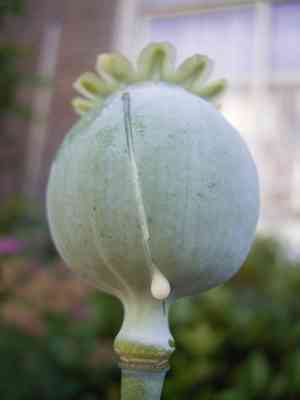
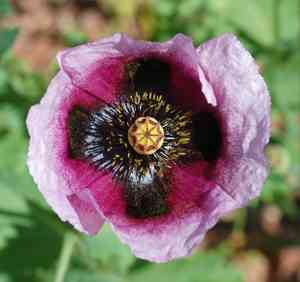
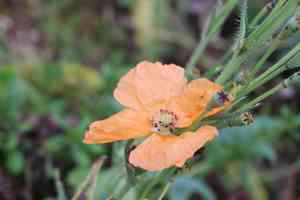
Quickly Identify poppy (Stylomecon)
1
Stylomecon can be identified by its bright, cup-shaped orange-red flowers with a dark center. The leaves are highly variable in shape, often deeply lobed or compound. The plant usually grows close to the ground and prefers sandy or gravelly soils.
Scientific Classification of poppy (Stylomecon)
Phylum
Magnoliophyta
Class
Magnoliopsida
Order
Ranunculales
Family
Papaveraceae
Genus
Stylomecon
Planting and Growing of poppy (Stylomecon)
Care Difficulty
Moderate
Watering Schedule
Every 2 days
Sunlight Requirements
Full sun
Sunshine Duration
4-8 hours
Ideal Temperature
65-75℉
Soil Type
Potting Mix, Peat Mix
Soil pH
6.5-7.5
Fertilizer Type
Balanced
Pruning Season
Spring, Summer
Pruning Area
Branches, Leaves
Pruning Frequency
2 times a year
Repotting Season
Spring
Pot Type
Plastic, Ceramic
 How to Water poppy (Stylomecon)?
Stylomecon requires a moderate watering approach. When watering, use approximately 250 ml of water each time. Ensure the soil is moistened evenly but avoid waterlogging as this can lead to root rot. The soil should be moist to the touch but well-drained.
What are the symptoms of an underwatered poppy (Stylomecon)?
›
What should I do if my poppy (Stylomecon) is not getting enough water?
›
What are the symptoms of an overwatered poppy (Stylomecon)?
›
How to save an overwatered poppy (Stylomecon)?
›
 What Are the Sunlight Requirements for poppy (Stylomecon)?
Stylomecon thrives in full to partial sun environments. Ensuring this range boosts photosynthesis, leading to robust growth and prolific blooming.
How much sunlight does Stylomecon need?
›
What are the best solutions to achieve ideal light conditions for Stylomecon?
›
What benefits does Stylomecon gain from ideal light conditions?
›
 What Is the Ideal Temperature Range for poppy (Stylomecon)?
Stylomecon thrives best in a typical temperate climate where the temperature is consistently maintained between 65°F and 75°F. This range ensures optimal growth, as it allows the plant to photosynthesize efficiently and maintain its cellular functions without heat stress or cold damage.
 What Soil is Best for poppy (Stylomecon)?
Stylomecon thrives in well-drained soil to prevent root rot. Excessive water retention can be detrimental to its roots. Well-drained soil allows oxygen to reach the roots, promoting healthy growth and vibrant flowers. This plant benefits from soil rich in organic matter. Nutrient-rich soil provides essential minerals that support robust growth and enhance flowering, ensuring that Stylomecon displays its stunning blooms throughout the growing season. Stylomecon requires soil that retains some moisture without becoming waterlogged. This balance helps maintain consistent hydration for the plant, preventing stress and thereby promoting a lush and healthy appearance.
 How to Fertilize poppy (Stylomecon)?
Stylomecon plants thrive with moderate fertilization. Use a balanced liquid fertilizer every two weeks, diluting it to half the recommended strength. For slow-release fertilizers, apply a thin layer around the plant base, about 2 teaspoons per square foot, ensuring even distribution.
 How to Prune poppy (Stylomecon)?
Begin by identifying any worn out or spent flower stems. These should be trimmed back to encourage new blooms and prevent the plant from investing energy into seed production. Carefully cut away any dead or damaged leaves. This process is essential for reducing the spread of diseases and allows the plant to focus its energy on new growth. Prune stylistically to shape the plant according to your garden's design. By evenly trimming stems, you can influence how the plant grows, ensuring a balanced, bushy habit.
 How to Propagate poppy (Stylomecon) plant?
1
Begin by filling the seedling tray with a high-quality seed-starting mix. Lightly press Stylomecon seeds onto the surface, as they require light for germination. Keep the soil moist and place the tray in a sunny location to promote germination, usually taking 2-3 weeks.
2
Select healthy, non-flowering stems and use sharp pruners to cut 4-6 inch sections. Remove lower leaves and dip the cut end in rooting hormone to enhance root development. Plant in moist, well-draining soil and maintain humidity to encourage rooting.
3
Carefully dig up mature Stylomecon plants during early spring or late summer. Gently separate the root clumps, ensuring each section has adequate roots and shoots. Replant divisions immediately, watering them thoroughly to help establish in their new location.
 How to Repot poppy (Stylomecon) plant?
1
Stylomecon, often known as wind poppy, signals its need for repotting when its roots begin to protrude from the drainage holes, or if growth seems stunted despite proper care. The best time to repot is during its active growth periods in spring or autumn, when the plant can most efficiently recover from the stress of repotting.
2
Select a pot that is one to two inches larger in diameter than the current one. The new pot should have sufficient drainage holes to allow excess water to escape, preventing root rot. This ensures the Stylomecon has enough space to grow and keeps the roots from becoming waterlogged.
3
The ideal soil for Stylomecon is a well-draining potting mix rich in organic matter. This type of soil allows for proper drainage while maintaining enough moisture for the roots, promoting healthy growth and reducing the chance of overwatering, which can be detrimental to the plant.
Toxicity
ingestion
WARNING
The judgment on toxicity and danger is for reference only. We DO NOT GUARANTEE any accuracy of such judgment. Therefore, you SHALL NOT rely on such judgment. It is IMPORTANT TO SEEK PROFESSIONAL ADVICE in advance when necessary.
Learn More About poppy (Stylomecon) Diseases
Anthracnose
Bacterial Leaf Spot
Bacterial Soft Rot
Bacterial Wilt
Chemical Injury
Crown Gall
Damping-off
Downy Mildew
Drought Stress
Fusarium Wilt
Gray Mold
Leaf Curl
Leaf Spot
Mosaic
Nutrient Deficiency
Nutrient Toxicity
Powdery Mildew
Root Rot
Root-knot Nematode
Rusts
Sooty Mold
Spider Mites
Temperature Stress
Thrips Damage
White Mold

