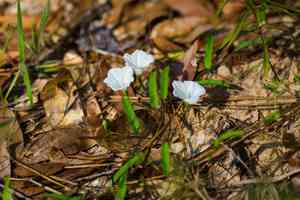
Coastalplain dawnflower (Stylisma patens)
Also known as: Narrowleaf coastalplain dawnflower
The coastalplain dawnflower (Stylisma pickeringii) is a perennial vine notable for its slender, twining stems and delicate, trumpet-shaped flowers. The blooms are typically white to pale pink and blossom in the morning, attracting various pollinators. This plant is well-adapted to sandy, well-drained soils and flourishes in open, sunlit environments such as coastal plains and sandhills. It excels in nutrient-poor conditions and often benefits from periodic disturbances that reduce competition from other plants.
In This Article
Attributes of Coastalplain dawnflower
Lifespan
Perennial
Plant Type
Herb
Plant Height
0 mm to 30 cm
Spread
60-90 cm (spread out)
Leaf Color
Green
Flower Size
2-3 cm
Flower Color
White
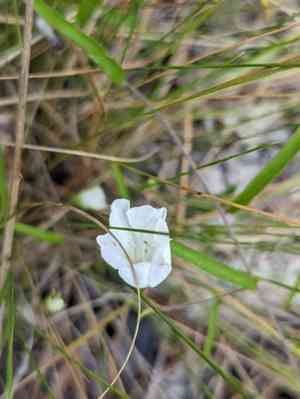
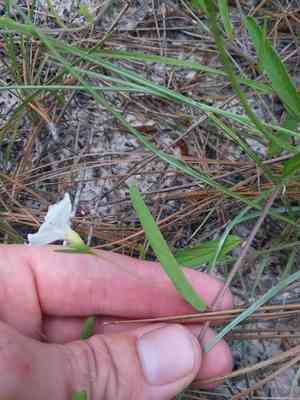
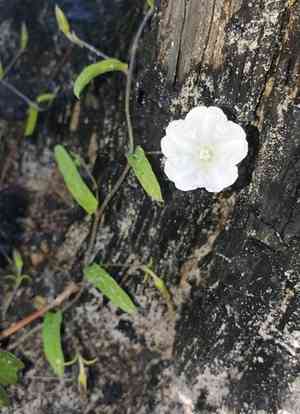
Images of Coastalplain dawnflower
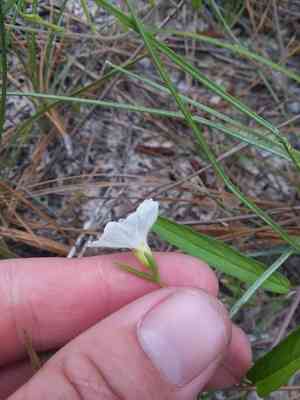
Quickly Identify Coastalplain dawnflower
1
Stylisma patens can be identified by its trailing stems, narrow linear leaves, and star-shaped white flowers. It often grows close to the ground, forming dense mats in sandy soils.
Scientific Classification of Coastalplain dawnflower
Phylum
Vascular plants
Class
Dicotyledons
Order
Solanales
Family
Morning-glory
Genus
Dawnflower
Species
Coastalplain dawnflower
Planting and Growing of Coastalplain dawnflower
Care Difficulty
Moderate
Watering Schedule
Every 2 days
Sunlight Requirements
Full sun
Sunshine Duration
4-6 hours
Ideal Temperature
70-85℉
Soil Type
Potting Mix, Peat Mix
Soil pH
6.5-7.5
Fertilizer Type
Balanced
Pruning Season
Spring, Summer
Pruning Area
Branches, Leaves
Pruning Frequency
2 times a year
Repotting Season
Spring
Pot Type
Plastic, Ceramic
 How to Water Coastalplain dawnflower?
Stylisma patens prefers its soil to dry out slightly between waterings. You should provide about 150ml of water each time, being careful not to over-saturate the soil. The goal is to moisten the soil evenly without creating waterlogged conditions, which could harm the plant.
What are the symptoms of an underwatered Coastalplain dawnflower?
›
What should I do if my Coastalplain dawnflower is not getting enough water?
›
What are the symptoms of an overwatered Coastalplain dawnflower?
›
How to save an overwatered Coastalplain dawnflower?
›
 What Are the Sunlight Requirements for Coastalplain dawnflower?
Partial to full sun is ideal for Stylisma patens. This balance helps improve flower production and foliage thickness, benefiting from intense, solar-driven photosynthesis.
What is the ideal amount of sunlight for Stylisma patens?
›
How can you ensure Stylisma patens gets its ideal lighting?
›
What are the benefits of Stylisma patens receiving ideal lighting?
›
 What Is the Ideal Temperature Range for Coastalplain dawnflower?
Stylisma patens thrives in temperatures ranging from 70°F to 85°F. This range ensures optimal growth and vibrant foliage. It mimics the plant's natural habitat to support its metabolic processes and flowering potential. Ensuring temperatures within this range will promote healthier growth and contribute to a strong resistance against pests and diseases.
 What Soil is Best for Coastalplain dawnflower?
Stylisma patens thrives in well-draining soil, which prevents waterlogging and root rot. This plant benefits from soil rich in organic matter that also retains some moisture without becoming waterlogged. This plant grows best in nutrient-rich soil, which provides essential minerals and nutrients that promote healthy growth and vibrant blossoms. Regular soil amendments like compost can help maintain soil fertility. While Stylisma patens prefers well-drained soil, it should also have a moderate ability to retain moisture. Soil that stays too dry can lead to dehydration, impacting the plant’s overall health and vitality.
 How to Fertilize Coastalplain dawnflower?
For Stylisma patens, moderate fertilizer application ensures optimal growth. Aim for 1 tablespoon of balanced liquid fertilizer per gallon of water, or use a slow-release granule to ensure nutrients are available over time without overwhelming the plant.
 How to Prune Coastalplain dawnflower?
Begin by inspecting the plant thoroughly to identify dead or damaged branches. These should be your primary targets as removing them can direct the plant's energy towards healthy growth. When trimming, make your cuts at a slight angle just above a leaf node. This technique promotes better regrowth and ensures that water does not collect on the cut surface, which could lead to rot. To encourage a more aesthetic form, prune selectively to maintain a balanced shape. This not only enhances the plant's beauty but also ensures even distribution of sunlight across all leaves.
More About Pruning Techniques→
 How to Propagate Coastalplain dawnflower plant?
1
Collect seeds from mature Stylisma patens plants. Ensure that the seeds are fully developed and free from damage or disease to increase the success rate of germination.
2
Select healthy shoots from the mother plant. Each cutting should be around 4-6 inches long. Remove any flowers or buds and trim the leaves to minimize water loss.
3
Use a well-draining soil mix for planting seeds or cuttings. Ensure the medium is moist but not waterlogged to encourage healthy root development. Cover the seeds lightly with soil.
 How to Repot Coastalplain dawnflower plant?
1
Stylisma patens should be repotted when its roots fill the current pot or when growth significantly slows. Repotting during active growth phases in spring or summer encourages better root development and adaptation. If the plant starts wilting or the soil dries unusually fast, it might be time to consider repotting.
2
Choose a pot slightly larger than the current one, with ample drainage holes. This allows enough space for root expansion while preventing waterlogging. Terra cotta pots can be ideal as they help with moisture regulation, providing the roots with adequate aeration while keeping fungal infections at bay.
3
Opt for well-draining sandy soil enriched with organic matter for Stylisma patens. Such soil mimics its natural habitat, ensuring proper drainage and preventing root rot. The sandy texture allows oxygen to access the roots, thus promoting healthier growth and minimizing the risk of overwatering issues.
Learn More About Coastalplain dawnflower Diseases
Anthracnose
Bacterial Leaf Spot
Bacterial Soft Rot
Bacterial Wilt
Chemical Injury
Crown Gall
Cyst Nematode
Damping-off
Downy Mildew
Drought Stress
Fusarium Wilt
Gray Mold
Leaf Spot
Mosaic
Nutrient Deficiency
Nutrient Toxicity
Powdery Mildew
Root Rot
Root-knot Nematode
Rusts
Sooty Mold
Spider Mites
Temperature Stress
Thrips Damage
White Mold


