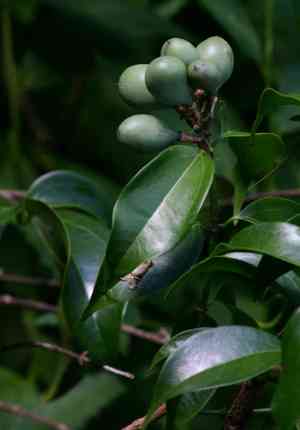
Strychnos (Strychnos) (Strychnos)
Also known as: Nux vomica tree, poison nut, quaker buttons
The genus *Dendrobium* encompasses roughly 1,500 recognized species, with a significant number still unresolved due to the intricate nature of the group. This genus is primarily found throughout tropical and subtropical regions, spanning from Asia to the Pacific Islands, including areas such as India, China, Japan, Malaysia, the Philippines, New Guinea, and Australia.
In This Article
Attributes of Strychnos (Strychnos)
Lifespan
Perennial
Plant Height
5-15 meters
Spread
2-6 meters
Leaf Color
Dark green
Flower Size
1-2 centimeters
Flower Color
White to pale green
Images of Strychnos (Strychnos)
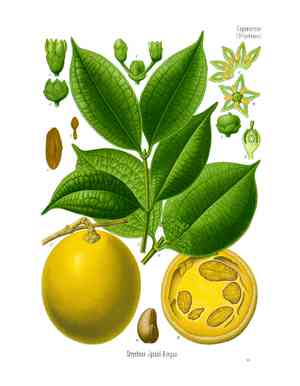
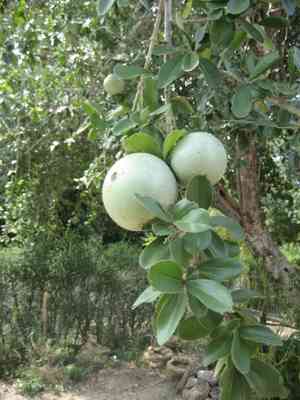
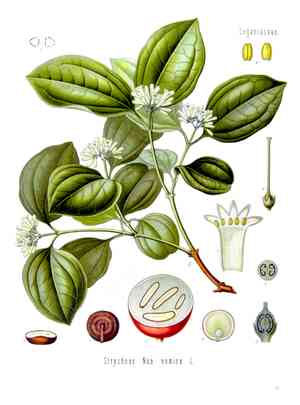
Quickly Identify Strychnos (Strychnos)
1
Identify Strychnos by its climbing or sprawling growth habit with woody stems. Look for simple, opposite leaves and tubular flowers that can vary in color. The fruit is typically a berry, with seeds that may be highly toxic.
Scientific Classification of Strychnos (Strychnos)
Phylum
Tracheophyta
Class
Magnoliopsida
Order
Gentianales
Family
Loganiaceae
Genus
Strychnos
Planting and Growing of Strychnos (Strychnos)
Care Difficulty
Hard
Watering Schedule
Every day
Sunlight Requirements
Partial sun
Sunshine Duration
4-8 hours
Ideal Temperature
68-77℉
Soil Type
Potting Mix, Peat Mix
Soil pH
6.5-7.5
Fertilizer Type
Balanced
Pruning Season
Spring, Summer
Pruning Area
Branches, Leaves
Pruning Frequency
2 times a year
Repotting Season
Spring
Pot Type
Plastic, Terracotta
 How to Water Strychnos (Strychnos)?
For Strychnos, it's best to water until the soil is evenly moist, resembling a well-wrung sponge. Ensure the water penetrates deep into the soil but be careful not to overwater, as the roots should have access to air as well.
What are the symptoms of an underwatered Strychnos (Strychnos)?
›
What should I do if my Strychnos (Strychnos) is not getting enough water?
›
What are the symptoms of an overwatered Strychnos (Strychnos)?
›
How to save an overwatered Strychnos (Strychnos)?
›
 What Are the Sunlight Requirements for Strychnos (Strychnos)?
Partial sun is ideal through the day for Strychnos; receiving balanced sunlight over 2 to 6 hours encourages balanced growth and minimizes stress from harsh conditions. This setting is akin to its natural habitat, leading to vigorous health and better foliage.
What is the best lighting condition for Strychnos?
›
How to achieve ideal lighting for Strychnos?
›
Benefits of ideal lighting for Strychnos?
›
 What Is the Ideal Temperature Range for Strychnos (Strychnos)?
The ideal temperature range for Strychnos plants is between 68 and 77 degrees Fahrenheit. This range provides the best conditions for photosynthesis and nutrient absorption. The plant thrives in a warm climate where the temperature remains consistently mild without sudden fluctuations, mimicking its native tropical conditions.
 What Soil is Best for Strychnos (Strychnos)?
Strychnos thrives in soils that offer excellent drainage to prevent root rot. Well-drained soils ensure the roots receive enough oxygen, leading to healthier and more vigorous growth. This plant benefits from soil that is rich in organic matter, which provides essential nutrients for growth. Enriching the soil with compost can enhance the plant's development and flower production. While Strychnos prefers moisture-retentive soils, it is essential to avoid waterlogging. This balance ensures the plant receives adequate moisture without suffering from root diseases.
 How to Fertilize Strychnos (Strychnos)?
Strychnos plants thrive best under balanced fertilization. Apply about half the recommended dosage of a balanced, water-soluble fertilizer monthly during the growing season to maintain healthy growth and vibrant foliage. Avoid overly concentrated solutions that might harm the plant.
 How to Prune Strychnos (Strychnos)?
Use sharp, disinfected pruning shears to ensure clean cuts. This minimizes the risk of disease and ensures a smooth healing process for the plant. Keep a pair of loppers handy for thicker branches. Focus on removing dead, damaged, or diseased branches first. Look for branches that cross or rub against each other, as these can cause damage and create entry points for pests. When cutting a branch, make your cut just above a bud or at the branch collar, which is the swollen area where the branch meets a larger stem. This promotes quicker healing and better growth structure. After removing necessary parts, consider trimming overly long branches to maintain the desired shape and size of the plant. This step helps maintain Strychnos' aesthetic appeal and overall balance.
 How to Propagate Strychnos (Strychnos) plant?
1
Choosing high-quality seeds is the first step in successful seed propagation. You should source seeds from a reputable supplier to ensure good germination rates. Examine the seeds to confirm they are free from any visible damage or mold, which can inhibit growth.
2
Preparing the right growing medium is essential to maximize seed germination and cutting growth. Use a well-draining, sterile potting mix that retains sufficient moisture. You may enhance the mix with vermiculite or perlite to improve aeration and drainage.
3
Plant the seeds or cuttings at the correct depth, typically twice the diameter of the seed or around 5-10 cm for cuttings. Water immediately after planting to ensure contact between the seed/cutting and the soil. Be careful not to overwater as this can lead to rot.
 How to Repot Strychnos (Strychnos) plant?
1
Recognize the need to repot Strychnos when the plant outgrows its container, roots start circling at the bottom, or water drains quickly through the pot. These are indicators that it needs more space to grow healthily.
2
Choose a pot that is slightly larger than the current one, with adequate drainage holes. This ensures proper airflow and water drainage, preventing root rot and supporting healthy root development.
3
Opt for a well-draining potting mix containing organic matter. The right soil will provide the necessary nutrients and help retain the right amount of moisture without compacting, supporting vigorous growth.
Toxicity
ingestion
WARNING
The judgment on toxicity and danger is for reference only. We DO NOT GUARANTEE any accuracy of such judgment. Therefore, you SHALL NOT rely on such judgment. It is IMPORTANT TO SEEK PROFESSIONAL ADVICE in advance when necessary.
Learn More About Strychnos (Strychnos) Diseases
Anthracnose
Bacterial Leaf Spot
Bacterial Wilt
Crown Gall
Cyst Nematode
Damping-off
Downy Mildew
Drought Stress
Fusarium Wilt
Gray Mold
Leaf Spot
Mosaic
Nutrient Deficiency
Nutrient Toxicity
Powdery Mildew
Root Rot
Root-knot Nematode
Rusts
Sooty Mold
Spider Mites
Temperature Stress
Thrips Damage
White Mold

