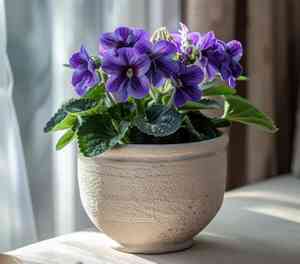
Streptocarpus ionanthus (Streptocarpus ionanthus)
Also known as: none
Streptocarpus ionanthus, popularly recognized as an African violet, and also known by the synonym Saintpaulia ionantha, is a type of Streptocarpus that belongs to the Saintpaulia sector. Its natural habitat spans across eastern and southwestern parts of Tanzania.
In This Article
Plant Comprehensive Care Guide: Beginner's Introduction and Key Details
Perfect for beginners starting their plant care journey
→
10 Secrets to Making Streptocarpus ionanthus Grow Faster (A Must-Read for Beginners)
Advanced tips to accelerate your plant's growth
→
Care "Black Tech": 10 Little-Known Highly Effective Maintenance Tips
Expert-level techniques for optimal plant care
→
Attributes of Streptocarpus ionanthus
Lifespan
Streptocarpus ionanthus is a perennial plant.
Plant Height
N/A
Spread
N/A
Leaf Color
Green
Flower Size
N/A
Flower Color
An assumption from general species knowledge, flowers may vary in colors
Images of Streptocarpus ionanthus
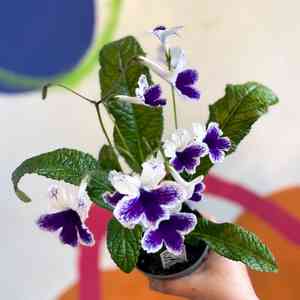
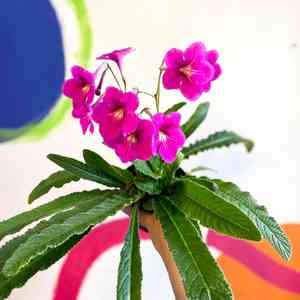
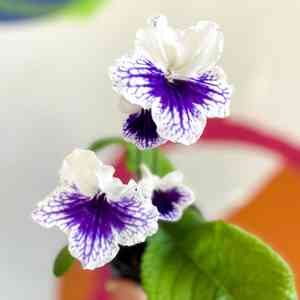

Quickly Identify Streptocarpus ionanthus
1
Identified by its structure and flower. Typically Streptocarpus are perennial herb with basal, usually isophyllous, rosulate leaves.
Scientific Classification of Streptocarpus ionanthus
Phylum
Angiosperms
Class
Magnoliopsida
Order
Lamiales
Family
Gesneriaceae
Genus
Streptocarpus
Species
S. ionanthus
Planting and Growing of Streptocarpus ionanthus
Care Difficulty
Moderate
Watering Schedule
Every 4 days
Sunlight Requirements
Partial sun
Sunshine Duration
4-8 hours
Ideal Temperature
60-75℉
Soil Type
Potting Mix, Peat Mix
Soil pH
6.5-7.5
Fertilizer Type
Balanced
Pruning Season
Spring, Summer
Pruning Area
Branches, Leaves
Pruning Frequency
2 times a year
Repotting Season
Spring
Pot Type
Plastic, Ceramic
 How to Water Streptocarpus ionanthus?
Streptocarpus ionanthus requires a delicate balance; water it with about 150 ml each time to ensure the soil is moist but not waterlogged. The goal is to keep the soil slightly damp to the touch, allowing for minor drying between waterings.
What are the symptoms of an underwatered Streptocarpus ionanthus?
›
What should I do if my Streptocarpus ionanthus is not getting enough water?
›
What are the symptoms of an overwatered Streptocarpus ionanthus?
›
How to save an overwatered Streptocarpus ionanthus?
›
 What Are the Sunlight Requirements for Streptocarpus ionanthus?
Streptocarpus ionanthus prefers bright, indirect light for about 4-6 hours a day. Providing this balance ensures lush, healthy foliage and abundant flowering.
What is the ideal amount of sunlight for Streptocarpus ionanthus?
›
What can you do to ensure proper light conditions for this plant indoors?
›
What are the benefits of maintaining proper light for Streptocarpus ionanthus?
›
 What Is the Ideal Temperature Range for Streptocarpus ionanthus?
The ideal temperature range for Streptocarpus ionanthus is between 60°F to 75°F. This range supports optimal growth and flowering. Cool temperatures facilitate efficient water absorption, while avoiding heat stress on plant tissues. Monitoring temperature ensures consistent and healthy development.
 What Soil is Best for Streptocarpus ionanthus?
Streptocarpus ionanthus thrives in well-draining soil that allows excess water to escape easily. This type of soil prevents waterlogging and root rot, ensuring healthy root development and overall plant vitality. These plants benefit from soil rich in organic matter and nutrients, supporting vigorous growth and abundant flowering. Regular feeding with balanced fertilizers enhances soil fertility, benefiting the plant throughout the growing season. An intermediate pH level, preferably between 6.5 and 7.5, ensures that nutrients are adequately available for plant uptake. This pH range supports optimal biochemical processes within the plant, promoting robust growth and development.
 How to Fertilize Streptocarpus ionanthus?
When fertilizing Streptocarpus ionanthus, use a balanced liquid fertilizer diluted to half strength. Apply approximately 1/4 teaspoon per gallon of water. This ensures that the plant receives adequate nutrients without overwhelming its delicate root system.
 How to Prune Streptocarpus ionanthus?
Start by removing any faded or dead flowers to redirect energy to budding blossoms. Hold the stem firmly and make a clean cut just above the next set of healthy leaves. Focus on cutting back leaves that are yellowing or browning. Ensure cuts are made about ¼ inch above a node to foster new, robust growth. To maintain a balanced shape, carefully prune leggy stems or those that extend beyond the plant's desired shape. This helps in maintaining aesthetic symmetry and promotes uniform growth across the plant.
 How to Propagate Streptocarpus ionanthus plant?
1
Select a well-draining soil mix that is rich in organic matter. Ensure that the soil is sterile to prevent infections, and moisten it lightly before planting seeds or cuttings.
2
Sprinkle the seeds evenly over the moist soil surface. Do not cover them deeply, as they require light for germination. Maintain a consistent temperature and humidity for optimal growth.
3
Select a healthy leaf or stem and cut it with a sterile tool. Dip the cut end in rooting hormone and insert it into moist soil. Ensure it remains stable and upright during the rooting process.
 How to Repot Streptocarpus ionanthus plant?
1
Streptocarpus ionanthus should be repotted when you notice that the roots are becoming crowded, typically visible through drainage holes or when the plant's growth visibly slows even with adequate care. Choose a time when the plant is not flowering, ideally during the Spring or early Summer for the least stress.
2
Select a pot that is just one size larger than the current one. This snugger fit ensures that the plant does not sit in overly moist soil, which can lead to root rot. Opt for a pot with good drainage to prevent water retention and enhance root respiration.
3
A well-draining soil mix is vital for Streptocarpus ionanthus. Opt for a blend that combines peat-based soil with perlite for aeration, ensuring the roots have ample room to breathe and grow without retaining excess water that may cause rot.

