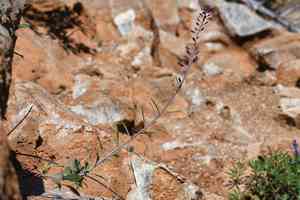
Howell's jewelflower (Streptanthus howellii)
Also known as: Howell's jewelflower
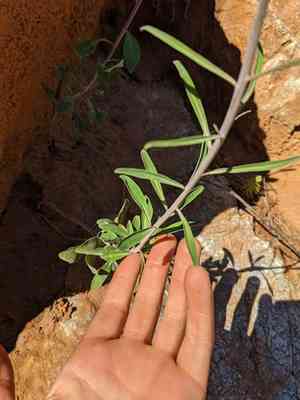
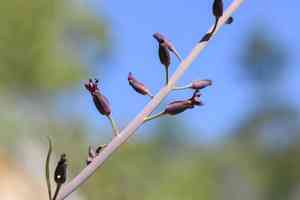
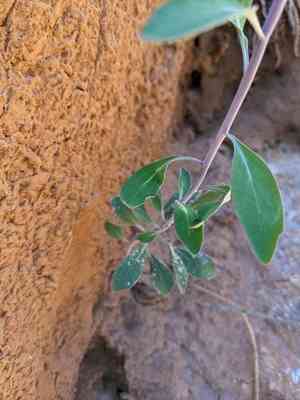
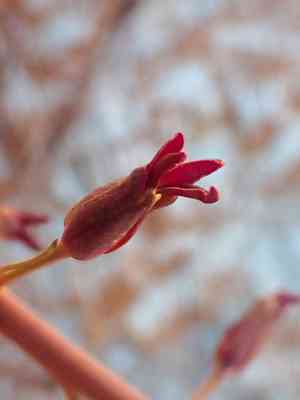
Howell's jewelflower (Streptanthus howellii) is distinguished by its tall, upright stems and narrow, often bluish leaves. The plant features unique small, purple flowers with an inflated look, making it visually striking. It thrives in rocky terrains and serpentine soils, which are well-drained yet nutrient-poor, showcasing its remarkable adaptability. This rare species' specialized habitat and distinctive characteristics make it a focal point for botanists and nature lovers who are intrigued by its ecological niche and conservation significance.
In This Article
Attributes of Howell's jewelflower
Lifespan
Biennial
Plant Type
Herb
Plant Height
Up to 60 cm (24 inches)
Spread
Not applicable, as it is a herbaceous plant
Leaf Color
Green to bluish-green
Flower Size
About 1-2 cm (0.4-0.8 inches)
Flower Color
Purple, lavender
Images of Howell's jewelflower
Quickly Identify Howell's jewelflower
1
Streptanthus howellii can be identified by its distinctive urn-shaped flowers, which are often purple or lavender. The leaves are lance-shaped, and the plant has a slender, often reddish-purple stem. Look for it in serpentine soils, which are areas high in heavy metals and generally low in nutrients.
Scientific Classification of Howell's jewelflower
Phylum
Vascular plants
Class
Dicotyledons
Order
Brassicales
Family
Cruciferae
Genus
Streptanthus
Species
Howell's jewelflower
Planting and Growing of Howell's jewelflower
Care Difficulty
Hard
Watering Schedule
Every 2 days
Sunlight Requirements
Partial sun
Sunshine Duration
4-6 hours
Ideal Temperature
55-75℉
Soil Type
Potting Mix, Peat Mix
Soil pH
6.5-7.5
Fertilizer Type
Balanced
Pruning Season
Spring, Summer
Pruning Area
Branches, Leaves
Pruning Frequency
2 times a year
Repotting Season
Spring
Pot Type
Terracotta, Plastic
 How to Water Howell's jewelflower?
When watering Streptanthus howellii, ensure that the soil is adequately moist but not waterlogged. A general rule of thumb is to water until you see a small amount of water draining from the bottom of the pot. This typically involves pouring about 300ml of water each time, ensuring the soil absorbs the moisture evenly.
What are the symptoms of an underwatered Howell's jewelflower?
›
What should I do if my Howell's jewelflower is not getting enough water?
›
What are the symptoms of an overwatered Howell's jewelflower?
›
How to save an overwatered Howell's jewelflower?
›
 What Are the Sunlight Requirements for Howell's jewelflower?
Streptanthus howellii prefers partial sunlight, promoting healthy growth and blooming by mimicking its natural habitat.
What is the best lighting for Streptanthus howellii?
›
How can you achieve ideal lighting conditions?
›
What benefits does ideal lighting offer Streptanthus howellii?
›
 What Is the Ideal Temperature Range for Howell's jewelflower?
The ideal temperature range for growing Streptanthus howellii is between 55°F to 75°F. This range provides the optimal conditions for its growth, mimicking its natural habitat conditions. Consistent temperature within this range ensures the plant can photosynthesize effectively, absorb nutrients, and maintain healthy growth.
 What Soil is Best for Howell's jewelflower?
Streptanthus howellii thrives in well-drained soils that prevent water from accumulating around its roots, which can cause root rot. Adequate drainage is crucial for maintaining the plant's vitality and ensuring healthy growth. This plant benefits from soils rich in organic matter, providing essential nutrients necessary for robust growth and flowering. A nutrient-rich substrate enhances leaf development and overall plant health. The soil should have moderate moisture retention to ensure that the plant has consistent access to water, without becoming waterlogged. Balancing moisture retention aids in sustaining the plant through dry periods.
 How to Fertilize Howell's jewelflower?
For Streptanthus howellii, moderate fertilization is key. Use around 10-15 grams of balanced liquid fertilizer diluted in water per plant during the growing season. This balance maintains healthy growth without overwhelming the plant. For solid fertilizers, you could use approximately 30-50 grams of a slow-release formula per application. Always adjust the amount according to the specific soil and environmental conditions.
 How to Prune Howell's jewelflower?
Initiate your pruning session by removing any dead or diseased branches. This not only helps the plant focus its energy on healthy growth but also prevents the spread of disease. Carefully prune the plant to maintain its natural shape. Ensure to cut at a 45-degree angle just above a node, which encourages healthy new growth and keeps the plant aesthetically pleasing. Thin out sections where branches and twigs are congested. This enhances air circulation within the plant, reducing susceptibility to fungal infections and promoting vigorous growth.
More About Pruning Techniques→
 How to Propagate Howell's jewelflower plant?
1
Begin by acquiring high-quality Streptanthus howellii seeds. Inspect them for any signs of damage or disease. Soak the seeds in water for 24 hours to soften the outer casing, facilitating quicker germination once planted.
2
Fill seed trays with sterile potting mix, leaving about half an inch from the top. Evenly spread the seeds over the surface and cover them lightly with a layer of the potting mix, ensuring they are adequately protected without being buried too deep.
3
After sowing, water the seeds gently to avoid dislodging them. Maintain consistent moisture levels, avoiding both waterlogging and complete drying out. Position the seed trays in a location that receives bright indirect light to encourage growth.
 How to Repot Howell's jewelflower plant?
1
Repot Streptanthus howellii when you notice its roots coming out of the drainage holes or if growth appears stunted. Ideally, repot during spring or autumn to minimize stress and optimize root establishment.
2
Select a pot slightly larger than the current one to allow for root expansion. Ensure it has drainage holes, which will help prevent overwatering and root rot, ensuring a healthy environment for your plant.
3
Opt for well-draining loamy soil mixed with sand for improved aeration. This soil blend retains enough moisture for the plant but prevents waterlogging, promoting healthy root development.


