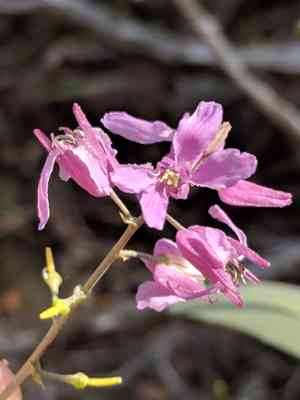
Bracted jewelflower (Streptanthus bracteatus)
Also known as: Bracted Jewelflower
The bracted jewelflower (Streptanthus glandulosus) possesses several key features that help it thrive in California's unique habitats. It displays striking bracts that range from purple to white, which effectively attract pollinators. The plant's glandular, hairy leaves and stems are adapted to reduce water loss, crucial for survival in dry, sunlit environments. This annual plant completes its life cycle rapidly to exploit seasonal rainfall. Additionally, its ability to grow in nutrient-poor, serpentine soils—high in heavy metals—limits competition from other plants, enhancing its survival prospects.
In This Article
Attributes of Bracted jewelflower
Lifespan
Biennial
Plant Type
Herb
Plant Height
91 cm to 1.8 m
Spread
Not applicable, herbaceous plant
Leaf Color
Green
Flower Size
1-2 cm
Flower Color
Purple, Violet
Images of Bracted jewelflower
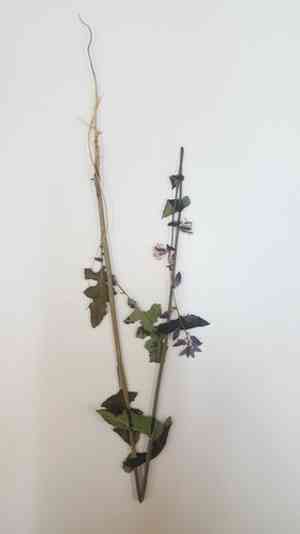
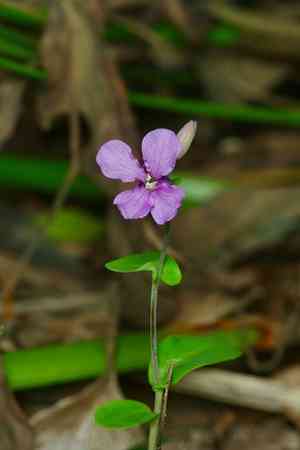
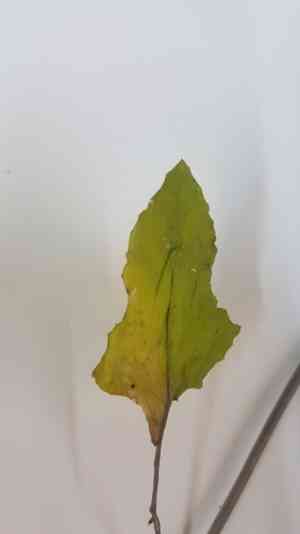
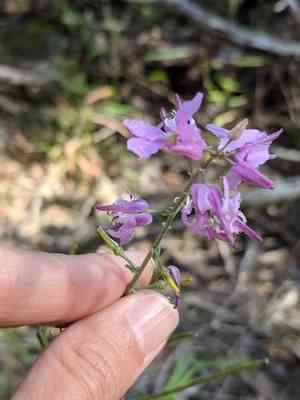
Quickly Identify Bracted jewelflower
1
Streptanthus bracteatus can be identified by its slender, erect stems, distinctive bracted flowers that are typically purple or violet, and elongated seed pods. The large, leafy bracts surrounding the flowers are a key identifying feature.
Scientific Classification of Bracted jewelflower
Phylum
Vascular plants
Class
Dicotyledons
Order
Brassicales
Family
Cruciferae
Genus
Streptanthus
Species
Bracted jewelflower
Planting and Growing of Bracted jewelflower
Care Difficulty
Hard
Watering Schedule
Every 3 days
Sunlight Requirements
Full sun
Sunshine Duration
4-8 hours
Ideal Temperature
60-75℉
Soil Type
Potting Mix, Peat Mix
Soil pH
6.5-7.5
Fertilizer Type
Balanced
Pruning Season
Spring, Summer
Pruning Area
Branches, Leaves
Pruning Frequency
2 times a year
Repotting Season
Spring
Pot Type
Plastic, Ceramic
 How to Water Bracted jewelflower?
When it comes to watering Streptanthus bracteatus, it is crucial to soak the soil thoroughly without causing waterlogging. A typical watering session should involve about 250 milliliters of water, enough to ensure the soil is moist but not drenched. The key here is to maintain a balanced moisture level that mimics its natural environment.
What are the symptoms of an underwatered Bracted jewelflower?
›
What should I do if my Bracted jewelflower is not getting enough water?
›
What are the symptoms of an overwatered Bracted jewelflower?
›
How to save an overwatered Bracted jewelflower?
›
 What Are the Sunlight Requirements for Bracted jewelflower?
Ideal lighting for Streptanthus bracteatus includes a blend of full and partial sunlight. Proper exposure supports photosynthesis, leading to vibrant greenery and strong growth.
How much sunlight does it need?
›
What solutions ensure optimal sunlight?
›
What are the benefits of ideal lighting?
›
 What Is the Ideal Temperature Range for Bracted jewelflower?
The ideal temperature range for Streptanthus bracteatus is between 60°F and 75°F. This range promotes optimal growth and flowering, ensuring the plant can complete its life cycle efficiently. Within this temperature range, metabolic processes occur at their most efficient, allowing for robust growth and increased resilience against common plant stressors.
 What Soil is Best for Bracted jewelflower?
Streptanthus bracteatus thrives in well-drained soil because it prevents waterlogging, which can lead to root rot. This requirement helps ensure the roots get enough oxygen and prevents diseases associated with excessive moisture. This plant requires soil with moderate nutrients to support its growth without excessive nutrient burn. Balanced nutrition promotes healthy foliage and ensures stable flowering cycles, providing strength and resilience. Maintaining consistency in soil moisture is key. Not too dry and not too wet, ideal conditions prevent stress, encourage healthy growth, and enhance the plant’s adaptability to different environmental conditions.
 How to Fertilize Bracted jewelflower?
Streptanthus bracteatus benefits from a balanced approach to fertilization. Generally, applying one tablespoon of liquid fertilizer per gallon of water is sufficient. For slow-release fertilizers, mixing around a tablespoon per square foot of soil is typically effective. The key is to provide enough nutrients to support its growth without overwhelming the plant's root system. Adjustments may be necessary based on the plant's response and environmental conditions.
 How to Prune Bracted jewelflower?
Begin by inspecting Streptanthus bracteatus for any dead, diseased, or damaged branches which should be pruned away first. Use clean and sharp shears to make cuts at a 45-degree angle about 1/4 inch above an outward-facing bud. This promotes outward growth. Be careful not to over-prune as it can stress the plant. When shaping the plant, focus on achieving an open, vase-like structure. This design maximizes sunlight exposure and air circulation within the plant. Prioritize cutting back branches that grow inward or cross each other to prevent rubbing and potential disease spread.
More About Pruning Techniques→
 How to Propagate Bracted jewelflower plant?
1
Fill your seed tray with a well-draining potting soil mix, ensuring it is evenly distributed. Moisten the soil gently before planting to provide a good environment for the seeds.
2
Sow the seeds of Streptanthus bracteatus by sprinkling them evenly over the prepared soil surface. Lightly press them into the soil but do not cover them entirely, as they need light to germinate.
3
After sowing, water the soil gently using a spray bottle to avoid displacing the seeds. Maintain consistent moisture, but avoid waterlogging, as this can adversely affect germination.
 How to Repot Bracted jewelflower plant?
1
Observe Streptanthus bracteatus for signs like roots growing out of the drainage holes or stunted growth before deciding to repot. Early spring is ideal, as it allows the plant to recover and establish in new soil before its active growing season.
2
Select a pot that's one size larger than the current one, with excellent drainage capabilities. A slightly roomy pot helps prevent root crowding, while good drainage prevents waterlogging, which can lead to root rot.
3
Opt for well-draining sandy soil rich in organic matter, as it simulates the plant's natural habitat. This soil type allows excess water to escape while retaining necessary nutrients for healthy plant growth.
Learn More About Bracted jewelflower Diseases
Anthracnose
Bacterial Leaf Spot
Bacterial Soft Rot
Bacterial Wilt
Clubroot
Crown Gall
Cyst Nematode
Damping-off
Downy Mildew
Drought Stress
Fusarium Wilt
Gray Mold
Leaf Spot
Mosaic
Nutrient Deficiency
Nutrient Toxicity
Powdery Mildew
Root Rot
Root-knot Nematode
Rusts
Sooty Mold
Spider Mites
Temperature Stress
Thrips Damage
White Mold


