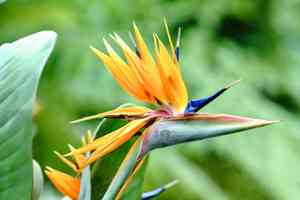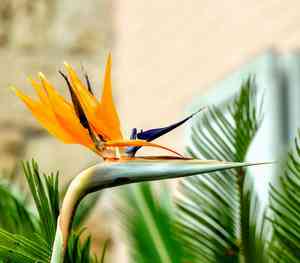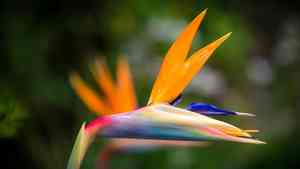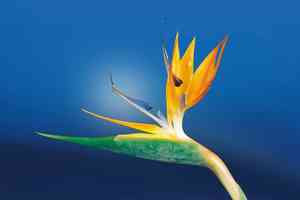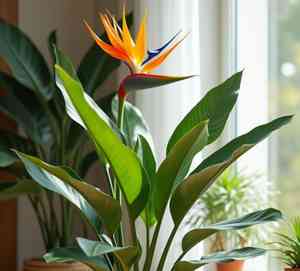
Bird of paradise(Strelitzia reginae)

Bird of paradise (Strelitzia reginae)

Also known as: Mini craneflower, Queen's bird-of-paradise

The Bird of Paradise is a vibrant flowering plant originally from South Africa. It holds cultural significance there and is depicted on the nation's 50-cent coin. Despite not being native to the area, it has also been adopted as the official flower of Los Angeles. In their natural habitat, these flowers are pollinated by sunbirds.

Attributes of Bird of paradise

Lifespan
Perennial
Plant Type
Herb
Plant Height
1.2 m to 1.8 m
Spread
30 cm to 90 cm
Leaf Color
Green Gray Silver Blue
Flower Size
8 cm to 10 cm
Flower Color
Orange Blue Yellow Purple White Green Red

PlantJoy - Identify plants with a snap

Identify and diagnose plants, get toxicity alerts, and explore safety guides for all types of fungi.

Try for Free

Images of Bird of paradise

Bird of paradise(Strelitzia reginae)

Quickly Identify Bird of paradise

1
Robust evergreen clumps reaching 4-6 feet (1.2-1.8 meters) in height
2
Distinctive flowers with orange sepals and blue fused petals
3
Large, gray-green banana-like leaves measuring 3.5-4 feet (1-1.2 meters)
4
Hardy leathery fruit capsules with vivid orange aril and small seeds
5
Inflorescence displays unique floral structure with orange and blue hues

Scientific Classification of Bird of paradise

Phylum
Vascular plants
Class
Monocotyledons
Order
Gingers, bananas, and allies
Family
Bird of paradise flower
Genus
Bird of paradise
Species
Bird of paradise

Planting and Growing of Bird of paradise

Care Difficulty
Hard
Watering Schedule
Every 3 days
Sunlight Requirements
Full sun
Sunshine Duration
6-10 hours
Ideal Temperature
65-75℉
Soil Type
Potting Mix, Peat Mix
Soil pH
6.5-7.5
Fertilizer Type
Balanced
Pruning Season
Spring, Summer
Pruning Area
Branches, Leaves
Pruning Frequency
2 times a year
Repotting Season
Spring
Pot Type
Plastic, Ceramic

water icon How to Water Bird of paradise?

Strelitzia reginae, commonly known as the 'Bird of Paradise', thrives with a deep, thorough watering to mimic its natural habitat. Ensure watering until you see a slight trickle from the drainage holes, but do not let the plant stand in water. This approach ensures the water penetrates deep into the soil, keeping the roots moist but not soggy.
What are the symptoms of an underwatered Bird of paradise?
What should I do if my Bird of paradise is not getting enough water?
What are the symptoms of an overwatered Bird of paradise?
How to save an overwatered Bird of paradise?
More About Watering Techniques

sunlight icon What Are the Sunlight Requirements for Bird of paradise?

Sunlight Requirements: Full sun, Partial sun
Duration of light: 4-6 hours
Strelitzia reginae thrives in full sun conditions, ideally receiving 4-6 hours of sunlight daily. This light exposure encourages healthy growth and luxurious blooms.
How much sun should it receive?
Solutions for Ideal Light Conditions
Benefits of Ideal Light
More About Sunlight Requirements Techniques

temperature icon What Is the Ideal Temperature Range for Bird of paradise?

Ideal Temperature: 65 ~ 75℉
The ideal temperature range for growing Strelitzia reginae is between 65°F and 75°F. This range is optimal for photosynthesis and overall growth, ensuring beautiful and healthy blooms. Maintaining this temperature range is crucial in facilitating nutrient intake and promoting vigorous growth, essential for thriving plants.

soil icon What Soil is Best for Bird of paradise?

Soil type: Sandy loam, Loam
Soil PH: 6.5 ~ 7.5
Strelitzia reginae thrives in soil that is rich in nutrients, which supports its vibrant flowering and robust growth. Using a good quality organic compost can ensure the plant receives adequate nutrition, fostering healthier blooms and foliage. The soil should provide excellent drainage to prevent root rot, a common issue for Strelitzia reginae. Adding sand or perlite can improve drainage, ensuring that the roots remain healthy and well-aerated, which is crucial for optimal growth. Maintaining a moderately moist soil environment is important for Strelitzia reginae. Overly dry conditions can lead to stress and poor growth, while too much moisture can cause root issues. Striking a balance keeps the plant vigorous and thriving. More About Soil

fertilize icon How to Fertilize Bird of paradise?

Fertilizer type: Balanced
Strelitzia reginae benefits from a moderate fertilization approach. For liquid fertilizers, use half the recommended strength on the label to avoid root burn. A balanced 10-10-10 or 20-20-20 NPK formula is appropriate, and use about 1/2 cup per gallon of water. More About Fertilizing Techniques

prune icon How to Prune Bird of paradise?

Pruning Time: Spring, Summer, Autumn, Winter
Start by identifying and removing any dead or yellowing leaves. This not only improves the plant’s appearance but also prevents potential disease. Use sharp, sterilized scissors to avoid damaging the plant. After the bird of paradise flowers have wilted, trim the flower stalks back to the base. This encourages new growth and keeps the plant tidy and vibrant, enhancing its ornamental appeal. If the plant becomes too tall or leggy, cut back the stems to a healthy leaf node. This helps maintain a compact and bushy shape, allowing more light to reach the lower parts of the plant. More About Pruning Techniques

propagate icon How to Propagate Bird of paradise plant?

Propagate Time: Late spring, Early summer
1
Start by soaking the seeds in a bowl of warm water for at least 24 hours. This helps to soften the hard seed coat, encouraging faster germination once planted.
2
Fill the seed tray with a well-draining potting mix, plant the seeds about an inch deep, and cover them lightly with soil. Keep the tray in a warm, bright location with indirect sunlight.
3
Carefully lift the parent plant out of its pot, gently shake off excess soil, and use a sharp knife or spade to divide the plant into sections, ensuring each portion has roots attached.
More About Propagating Techniques

repot icon How to Repot Bird of paradise plant?

Repotting frequency: Every 2-3 years
1
Repot Strelitzia reginae when you notice roots growing out of the drainage holes or when its growth becomes stunted. It's best done in spring or summer when the plant is actively growing. Pay attention to any signs of poor drainage or soil compaction, as these indicate it's time to change the pot.
2
Select a pot that is one size larger than the current one. Ensure it has drainage holes to prevent root rot, which encourages healthy growth. Ceramic or terracotta pots are excellent choices as they offer stability and allow the soil to dry out more evenly.
3
Use a well-draining potting mix, preferably one containing peat, perlite, or sand. These components improve aeration and drainage, providing an ideal growing condition for the bird of paradise. This mix also helps prevent waterlogging, which could otherwise hinder root development.
More About Repotting Techniques

PlantJoy - Identify plants with a snap

Find the best spots for them to optimize their health, simply using your phone.

Try for Free

Toxicity of Bird of paradise

Is Bird of paradise toxic to humans?

The Bird of Paradise plant is usually recognized as non-toxic; however, it can pose a risk if large quantities are consumed. Instances of toxicity tend to be mild to moderate, presenting symptoms such as abdominal cramps, nausea, vomiting, and diarrhea. It is worth noting that poisoning incidents may pose greater risks for children. The most toxic components of this plant are its fruits and seeds. The common usage of this plant as an indoor decorative element might contribute to the frequency of poisoning cases. Additionally, this plant can easily be confused with another more hazardous species, Poinciana gilliesii, due to their shared common name, Bird of Paradise.

Is Bird of paradise toxic to cat?

The seeds and fruits of the bird of paradise (Strelitzia reginae) possess moderate toxicity for cats. Additionally, the leaves and stems may also have mild toxic effects. Ingestion may lead to symptoms such as nausea, vomiting, diarrhea, and a lack of appetite. Generally, these cases are not severe enough to necessitate a visit to the veterinarian. However, it is strongly advised to avoid having bird of paradise in homes where cats are present.

Is Bird of paradise toxic to dog?

Bird of paradise plants can be mildly to moderately harmful to dogs. The seeds, which are located within elongated pods, are the most toxic and frequently consumed, although any section of this plant has the potential to trigger negative reactions. Typical symptoms include vomiting, diarrhea, lethargy, digestive upset, and difficulty breathing. Most specialists advise that you take your dog to a veterinarian if you suspect they have ingested any part of a bird of paradise, no matter how severe their reaction may be.

Identify toxic plants for your safety

Learn which plants are harmful to you and your pets, and make informed choices for a safer home!

Try for Free
WARNING
The judgment on toxicity and danger is for reference only. We DO NOT GUARANTEE any accuracy of such judgment. Therefore, you SHALL NOT rely on such judgment. It is IMPORTANT TO SEEK PROFESSIONAL ADVICE in advance when necessary.
More About Toxic Techniques