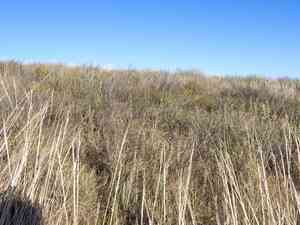
Hairy feathergrass(Stipa capillata)

Hairy feathergrass (Stipa capillata)

Also known as: Esparto grass

Hairy feathergrass (Stipa tenuissima), also known as Mexican feathergrass, is a delicate perennial grass that adds dynamic movement to landscapes with its fine texture and swaying plumes.

**Characteristics:**
1. **Visual Appeal:** Thin, hair-like leaves and feathery flower heads create a soft, flowing appearance.
2. **Size:** Reaches a height of about 1-2 feet.
3. **Seasonal Changes:** Starts as vibrant green in spring and summer, transitioning to golden hues in fall and winter.
4. **Resilience:** Drought-tolerant once established and can withstand temperatures down to -15 to -10°C.
5. **Ease of Care:** Minimal maintenance required, and it is generally pest-resistant.

**Uses:**
1. **Visual Accent:** Enhances garden aesthetics with its gentle, waving motion.
2. **Garden Borders:** Ideal for creating natural-looking edges along pathways and flower beds.
3. **Soil Stabilization:** Effective for controlling erosion on slopes through its fibrous root network.
4. **Containers:** Works well in pots, adding elegance to patios and balconies.
5. **Drought-Resistant Landscaping:** Perfect for xeriscaping and other water-efficient garden designs.

Hairy feathergrass is highly valued in landscaping for its beauty, adaptability, and low upkeep requirements.

Attributes of Hairy feathergrass

Lifespan
Perennial
Plant Type
Grass
Plant Height
61 cm to 91 cm
Spread
60 cm
Leaf Color
Green Blue
Flower Size
Not applicable (grass)
Flower Color
Green White Silver Yellow

ForwardPlant - Identify plants with a snap

Identify and diagnose plants, get toxicity alerts, and explore safety guides for all types of fungi.

Try for Free

Images of Hairy feathergrass

Hairy feathergrass(Stipa capillata)

Quickly Identify Hairy feathergrass

1
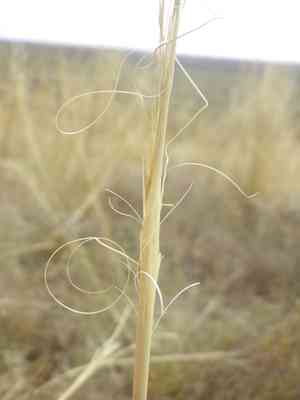
Identify Stipa capillata by its long, wiry, and hair-like awns that extend from the seed heads. The leaves are narrow and rolled, giving the grass a fine, delicate texture.

Scientific Classification of Hairy feathergrass

Phylum
Vascular plants
Class
Monocotyledons
Order
Grasses, sedges and allies
Family
Grass
Genus
Needle grass
Species
Hairy feathergrass

Planting and Growing of Hairy feathergrass

Care Difficulty
Easy
Watering Schedule
Every 2 days
Sunlight Requirements
Full sun
Sunshine Duration
4-8 hours
Ideal Temperature
60-75℉
Soil Type
Potting Mix, Peat Mix
Soil pH
6.5-7.5
Fertilizer Type
Balanced
Pruning Season
Spring, Summer
Pruning Area
Branches, Leaves
Pruning Frequency
2 times a year
Repotting Season
Spring
Pot Type
Plastic, Ceramic

water icon How to Water Hairy feathergrass?

For Stipa capillata, it is crucial to water until the soil is thoroughly moist but not soggy. The plant prefers well-drained soil, and excessive water can lead to root rot. Ensure the top 1-2 inches of soil dry out between waterings.
What are the symptoms of an underwatered Hairy feathergrass?
What should I do if my Hairy feathergrass is not getting enough water?
What are the symptoms of an overwatered Hairy feathergrass?
How to save an overwatered Hairy feathergrass?

sunlight icon What Are the Sunlight Requirements for Hairy feathergrass?

Sunlight Requirements: Full sun
Duration of light: 6 to 8 hours
Stipa capillata prefers full sun, ideally receiving 6 to 8 hours daily. Sufficient sunlight promotes optimal growth, improves foliage quality, and enhances blooming potential, leveraging its natural adaptability.
What is the best light condition for Stipa capillata?
How can I achieve ideal lighting for Stipa capillata?
What benefits does ideal lighting provide to Stipa capillata?
More About Sunlight Requirements Techniques

temperature icon What Is the Ideal Temperature Range for Hairy feathergrass?

Ideal Temperature: 60 ~ 75℉
The ideal temperature range for Stipa capillata cultivation is between 60°F and 75°F. This range provides optimal conditions for growth and health, ensuring the grass maintains its beautiful thread-like foliage. Within this range, the plant efficiently performs photosynthesis and maintains metabolic balance, promoting robust growth and resilience against pests and diseases.

soil icon What Soil is Best for Hairy feathergrass?

Soil type: Sandy soil, Loam, Calcareous soil, Sandy loam
Soil PH: 6.5 ~ 7.5
Stipa capillata thrives in well-drained soil, allowing roots to breathe and preventing waterlogging, which can lead to root rot and poor growth. This plant prefers soils with moderate nutrient content, offering the necessary minerals for healthy development without promoting excessive foliage growth that can weaken the plant. The soil should have good aeration to enable free movement of air and water, assisting in the formation of strong roots and supporting plant vitality.

fertilize icon How to Fertilize Hairy feathergrass?

Fertilizer type: Balanced
For Stipa capillata, it's vital to provide balanced amounts of fertilizer. During active growth, use a diluted liquid fertilizer where the nitrogen, phosphorus, and potassium (N-P-K) ratio is approximately 10-10-10. A quarter strength of the recommended dosage of fertilizer should suffice for good growth.

prune icon How to Prune Hairy feathergrass?

Pruning Time: Spring, Summer, Autumn, Winter
Begin by inspecting the Stipa capillata for any dead, damaged, or discolored stalks that need removal. Ensure the plant is dry to prevent slippery conditions that could inhibit a precise cut. A solid stance or positioning helps maintain accuracy, ensuring only the intended parts of the plant are trimmed. When trimming, start from the outer edges of the feather grass clump, working inward. Use sharp shears to cut just above a node or base of the stalk to encourage optimal regrowth. Aim for a uniform shape that complements your garden's aesthetic while ensuring the plant has room to breathe and access sunlight evenly. More About Pruning Techniques

propagate icon How to Propagate Hairy feathergrass plant?

Propagate Time: Spring, Early spring, Late spring
1
Collect seeds from mature plants in late summer when the seed heads have dried. Ensure you gather the seeds before they disperse naturally for best results.
2
Prepare a well-draining soil mix with equal parts of sand, perlite, and potting soil. This mix facilitates drainage and prevents waterlogging during seed germination.
3
In early spring, dig up mature clumps and separate them into smaller sections using a sharp tool. Each section should contain multiple shoots and an intact root system for successful replanting.
More About Propagating Techniques

repot icon How to Repot Hairy feathergrass plant?

Repotting frequency: Every 2-3 years
1
Repot Stipa capillata when you notice roots circling on top of the soil or protruding from the drainage holes. This grass thrives in well-spread roots; cramped conditions hamper growth.
2
Select a pot that is one to two inches larger in diameter than the current one. This fosters root development without excess water retention. Quality drainage holes are crucial for preventing waterlogging.
3
Opt for well-draining sandy soil that mimics its natural habitat. Sandy soil ensures good drainage, preventing root rot and providing a stable base for the plant.

ForwardPlant - Identify plants with a snap

Find the best spots for them to optimize their health, simply using your phone.

Try for Free