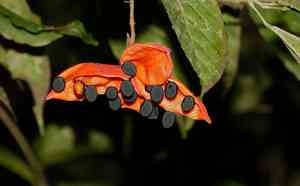
Tropical chestnuts (Sterculia) (Sterculia)
Also known as: Sterculia tree, Sterculia plant
Tropical chestnuts belong to the genus Castanopsis, which includes flowering plants. According to The Plant List, there are 91 species that are currently recognized.
In This Article
Attributes of Tropical chestnuts (Sterculia)
Lifespan
Perennial
Plant Height
10-35 meters
Spread
5-25 meters
Leaf Color
Green
Flower Size
1-3 cm
Flower Color
Yellow, Red
Images of Tropical chestnuts (Sterculia)
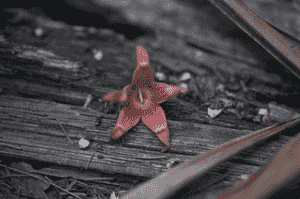
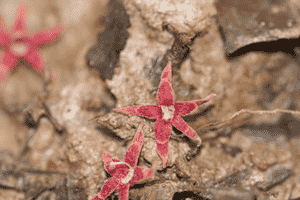
Quickly Identify Tropical chestnuts (Sterculia)
1
Sterculia species can be identified by their large, lobed leaves, distinct seed pods, and sometimes malodorous flowers. The bark is typically smooth or slightly textured.
Scientific Classification of Tropical chestnuts (Sterculia)
Phylum
Magnoliophyta
Class
Magnoliopsida
Order
Malvales
Family
Malvaceae
Genus
Sterculia
Planting and Growing of Tropical chestnuts (Sterculia)
Care Difficulty
Moderate
Watering Schedule
Every 2 days
Sunlight Requirements
Partial sun
Sunshine Duration
4-6 hours
Ideal Temperature
68-86℉
Soil Type
Potting Mix, Peat Mix
Soil pH
6.5-7.5
Fertilizer Type
Balanced
Pruning Season
Spring, Summer
Pruning Area
Branches, Leaves
Pruning Frequency
2 times a year
Repotting Season
Spring
Pot Type
Plastic, Ceramic
 How to Water Tropical chestnuts (Sterculia)?
The watering for Sterculia should adhere to a principle of deep soaking. Ensure the water reaches the root zone, which likely involves about 500ml per session. Allow excess to drain to prevent root rot.
What are the symptoms of an underwatered Tropical chestnuts (Sterculia)?
›
What should I do if my Tropical chestnuts (Sterculia) is not getting enough water?
›
What are the symptoms of an overwatered Tropical chestnuts (Sterculia)?
›
How to save an overwatered Tropical chestnuts (Sterculia)?
›
 What Are the Sunlight Requirements for Tropical chestnuts (Sterculia)?
Partial sun or full sun exposure is ideal. These light levels promote strong growth and foliage health for Sterculia, ensuring it receives adequate energy for photosynthesis.
What type of light does Sterculia prefer?
›
How can I ensure ideal lighting conditions?
›
What benefits will Sterculia see from ideal lighting?
›
 What Is the Ideal Temperature Range for Tropical chestnuts (Sterculia)?
The ideal temperature range for Sterculia species is between 68°F and 86°F. This range allows the plant to perform essential physiological processes effectively, promoting vigorous growth and overall health. Maintaining temperatures within this range ensures that metabolic rates are optimized, leading to robust development.
 What Soil is Best for Tropical chestnuts (Sterculia)?
Sterculia thrives in soil that retains nutrients effectively. Loamy and clay soils provide this requirement due to their ability to hold minerals and essential nutrients, ensuring that the plant has consistent access to the nourishment it needs for optimal growth. Good drainage is crucial for Sterculia as it prevents waterlogging, which can lead to root rot. Sandy loam offers excellent drainage, allowing excess water to escape while maintaining enough moisture for the plant, leading to healthier root systems. Sterculia prefers a slightly acidic to neutral pH range of 6.5 to 7.5. This pH balance ensures that nutrients are readily available for absorption, promoting better growth and development without the risk of nutrient lockout.
 How to Fertilize Tropical chestnuts (Sterculia)?
When fertilizing Sterculia, it's crucial to apply a balanced amount to ensure the plant thrives. Typically, you should aim for 150-200 grams of balanced fertilizer for mature trees, spread evenly around the root area to avoid burning the roots.
 How to Prune Tropical chestnuts (Sterculia)?
Start by removing any dead or diseased branches, cutting back to the live wood to prevent any spread of disease. Trim any crossing branches to prevent rubbing, which can cause wounds that are susceptible to infection. Also, cut back any overextended branches that disrupt the natural form of the plant. Make clean cuts at a slight angle just above a node or bud to promote new growth. Ensure that your tools are sharp and clean to make precise cuts and minimize damage to the plant.
 How to Propagate Tropical chestnuts (Sterculia) plant?
1
Harvest seeds from mature fruits at the end of the growing season. Ensure seeds are from healthy plants to increase the likelihood of successful germination.
2
Select semi-hardwood cuttings during peak growth periods. Cuttings should be 4-6 inches long and preferably just below a node.
3
Plant seeds or insert cuttings in well-draining soil. Maintain consistent moisture and ensure good light exposure without direct sunlight.
 How to Repot Tropical chestnuts (Sterculia) plant?
1
Sterculia should be repotted when you notice roots emerging from the drainage holes or if the plant's growth seems stunted. Ideally, repotting should be done in the growing seasons of spring or summer when the plant is more resilient and can establish its roots in the new pot more effectively.
2
Opt for a pot that is one to two inches larger in diameter than the current one. Ensure it has adequate drainage holes to prevent root rot. Using the right-sized pot encourages healthy growth and prevents waterlogging, which can be detrimental to Sterculia.
3
A loamy, well-draining soil mixture is crucial. This type of soil allows excess water to drain away while retaining enough moisture to keep the roots hydrated. The nutrient-rich composition supports Sterculia's growth and vitality.

