
San diego wirelettuce (Stephanomeria diegensis)
Also known as: San Diego wirelettuce
San Diego wirelettuce is a perennial herb featuring slender, upright stems that can grow up to two meters tall. This plant is characterized by its narrow, primarily basal leaves and clusters of dandelion-like flowers in shades of pink to light purple. It prospers in coastal sage scrub and chaparral settings, showing a preference for dry, Mediterranean climates. Ideal growth conditions include well-drained soils and open, sunny areas.
In This Article
Attributes of San diego wirelettuce
Lifespan
Annual
Plant Type
Herb
Plant Height
0.5 to 1 meter
Spread
0.3 to 0.5 meters
Leaf Color
Green
Flower Size
1 to 2 centimeters
Flower Color
Pink or lavender
Images of San diego wirelettuce
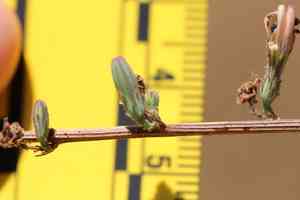

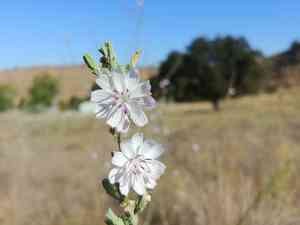
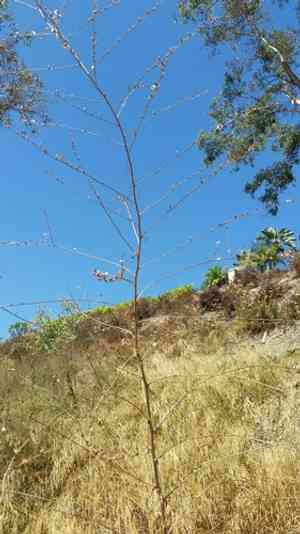
Quickly Identify San diego wirelettuce
1
Stephanomeria diegensis features slender, branching stems and small, narrowly lanceolate leaves. Its flowers are pink or lavender, with ray florets arranged in a radial fashion, making it distinguishable from other species in the field.
Scientific Classification of San diego wirelettuce
Phylum
Vascular plants
Class
Dicotyledons
Order
Asterales
Family
Daisy
Genus
Wirelettuces
Species
San diego wirelettuce
Planting and Growing of San diego wirelettuce
Care Difficulty
Moderate
Watering Schedule
Every day
Sunlight Requirements
Full sun
Sunshine Duration
6-12 hours
Ideal Temperature
60-75℉
Soil Type
Potting Mix, Peat Mix
Soil pH
6.5-7.5
Fertilizer Type
Balanced
Pruning Season
Spring, Summer
Pruning Area
Branches, Leaves
Pruning Frequency
2 times a year
Repotting Season
Spring
Pot Type
Plastic, Ceramic
 How to Water San diego wirelettuce?
Stephanomeria diegensis requires thoughtful watering, adhering to a minimalistic approach. Ensure each watering penetrates the soil lightly, approximately 250 ml, allowing for gradual moisture absorption without waterlogging.
What are the symptoms of an underwatered San diego wirelettuce?
›
What should I do if my San diego wirelettuce is not getting enough water?
›
What are the symptoms of an overwatered San diego wirelettuce?
›
How to save an overwatered San diego wirelettuce?
›
 What Are the Sunlight Requirements for San diego wirelettuce?
Stephanomeria diegensis benefits from full sun exposure, thriving under it for 6 to 8 hours daily. This sunlight range enhances photosynthesis, leading to more vigorous growth and more plentiful blossoms.
Optimal Light Intensity
›
Placement Strategies
›
Light Optimization Solutions
›
 What Is the Ideal Temperature Range for San diego wirelettuce?
The ideal temperature range for Stephanomeria diegensis, a plant native to specific regions, is between 60°F and 75°F. This range provides the optimal conditions for its growth, mimicking the temperatures found in its natural habitat. Maintaining this temperature range ensures that the plant's physiological processes occur efficiently.
 What Soil is Best for San diego wirelettuce?
Stephanomeria diegensis benefits from well-drained soil to prevent waterlogging, which can cause root rot. Proper drainage ensures that excess water moves out, providing conditions similar to its natural habitat. This plant thrives in nutrient-poor soils where competition is less intense. Its adaptation to these conditions means it doesn't rely heavily on rich substrate but instead manages growth with limited resources. Although it doesn't need rich soil, moderate fertility can support healthy growth. The addition of minimal organic matter can aid in maintaining balanced nutrient levels without overwhelming the plant.
 How to Fertilize San diego wirelettuce?
For Stephanomeria diegensis, start with a light hand. Use a balanced liquid fertilizer diluted to half strength. Each application should deliver around 0.5 grams per liter of soil. Over-fertilization can damage its delicate ecosystem, so monitor closely.
 How to Prune San diego wirelettuce?
The first step in pruning Stephanomeria diegensis is to remove any dead or diseased branches. This helps prevent the spread of diseases and frees up resources for healthier parts of the plant. Use clean and sharp tools to make precise cuts right at the base of these branches. To ensure Stephanomeria diegensis maintains an appealing and balanced shape, trim back any excessively long or unruly branches. This not only improves its aesthetic appeal but also allows sunlight to penetrate the inner sections of the plant, promoting even growth. Pinch back the tips of new growth to stimulate branching and denser foliage. This method is effective in promoting a fuller appearance and ensures that new shoots emerge robust and vigorous.
More About Pruning Techniques→
 How to Propagate San diego wirelettuce plant?
1
Start by preparing a seed bed using a well-draining soil mix. This ensures the seeds have the right environment to take root. Make sure to moisten the soil slightly before sowing the seeds.
2
Disperse the seeds evenly on the seed bed. Cover them lightly with soil, as seeds need some light to germinate. Avoid deep covering as it may hinder seed sprouting.
3
Water the seeds gently immediately after sowing, ensuring not to wash them away. Keep the soil consistently moist but not waterlogged and place the seed tray in a bright, indirect light location.
 How to Repot San diego wirelettuce plant?
1
You should repot Stephanomeria diegensis when you notice the roots are densely packed in the current pot or protruding out from the drainage holes. Another sign is if the plant's growth has become stunted, indicating it might need more space for its roots. Spring is the ideal season, aligning with its natural growth cycle, promoting smoother adaptation.
2
Select a pot that is one size larger than the current one. It should have ample drainage holes to prevent waterlogging, which can harm Stephanomeria diegensis. Clay pots are preferred as they encourage aeration and moisture evaporation, maintaining a healthier root environment and reducing the risk of rot.
3
Opt for a well-draining cactus or succulent mix. This type of soil replicates the plant's natural habitat, ensuring that excess water drains quickly, preventing root rot. The mix often contains sand or perlite, providing the ideal balance of drainage and aeration for optimal plant health.
Learn More About San diego wirelettuce Diseases
Anthracnose
Bacterial Leaf Spot
Bacterial Soft Rot
Bacterial Wilt
Chemical Injury
Crown Gall
Cyst Nematode
Damping-off
Downy Mildew
Drought Stress
Fusarium Wilt
Gray Mold
Leaf Spot
Mosaic
Nutrient Deficiency
Nutrient Toxicity
Powdery Mildew
Root Rot
Root-knot Nematode
Rusts
Sooty Mold
Spider Mites
Temperature Stress
Thrips Damage
White Mold



