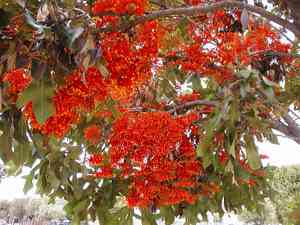
Stenocarpus (Stenocarpus) (Stenocarpus)
Also known as: Firewheel Tree, Wheel of Fire
Stenocarpus is a genus of about 25 species of trees or shrubs in the family Proteaceae, native to New Guinea, New Caledonia, and Australia. One of the most well-known species, Stenocarpus sinuatus, commonly known as the Firewheel Tree, is renowned for its striking wheel-like red flowers.
In This Article
Attributes of Stenocarpus (Stenocarpus)
Lifespan
Perennial
Plant Height
10-30 meters (32-98 feet)
Spread
6-9 meters (20-30 feet)
Leaf Color
Dark green
Flower Size
3-5 centimeters (1.2-2 inches)
Flower Color
Bright red
Images of Stenocarpus (Stenocarpus)
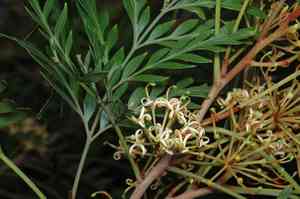
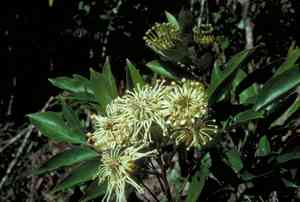
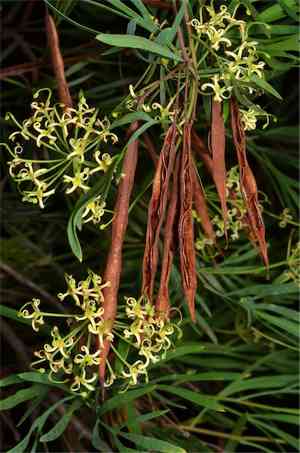
Quickly Identify Stenocarpus (Stenocarpus)
1
Stenocarpus can be identified by its distinctive wheel-like flower clusters, glossy dark green leaves, and smooth grey bark. The flowers are usually bright red with long styles that protrude from the corolla, resembling the spokes of a wheel.
Scientific Classification of Stenocarpus (Stenocarpus)
Phylum
Tracheophyta
Class
Magnoliopsida
Order
Proteales
Family
Proteaceae
Genus
Stenocarpus
Planting and Growing of Stenocarpus (Stenocarpus)
Care Difficulty
Hard
Watering Schedule
Every 2 days
Sunlight Requirements
Partial sun
Sunshine Duration
6-10 hours
Ideal Temperature
60-75℉
Soil Type
Potting Mix, Peat Mix
Soil pH
6.5-7.5
Fertilizer Type
Balanced
Pruning Season
Spring, Summer
Pruning Area
Branches, Leaves
Pruning Frequency
2 times a year
Repotting Season
Spring
Pot Type
Plastic, Ceramic
 How to Water Stenocarpus (Stenocarpus)?
For Stenocarpus, maintain the soil consistently moist but not waterlogged. About 500 ml per session should suffice, enough to moisten the top layer of soil but ensuring good drainage to avoid root rot.
What are the symptoms of an underwatered Stenocarpus (Stenocarpus)?
›
What should I do if my Stenocarpus (Stenocarpus) is not getting enough water?
›
What are the symptoms of an overwatered Stenocarpus (Stenocarpus)?
›
How to save an overwatered Stenocarpus (Stenocarpus)?
›
 What Are the Sunlight Requirements for Stenocarpus (Stenocarpus)?
Partial sun, ideally 4-6 hours per day. This balance ensures energy availability for photosynthesis without overwhelming the plant, promoting robust growth and potential flowering.
What is the optimal lighting condition for Stenocarpus?
›
How can we achieve ideal lighting for Stenocarpus indoors?
›
What are the benefits of providing optimal light conditions for Stenocarpus?
›
 What Is the Ideal Temperature Range for Stenocarpus (Stenocarpus)?
Stenocarpus thrives best in temperatures ranging between 60°F to 75°F, which mimics the warm and steady conditions found in its native habitats. Consistently maintaining this range supports optimal growth, flowering, and overall plant health.
 What Soil is Best for Stenocarpus (Stenocarpus)?
Stenocarpus thrives in well-drained soil that prevents waterlogging, which can lead to root rot and other issues. Well-drained conditions facilitate healthy root growth and overall plant vigor. A nutrient-rich medium is essential for Stenocarpus, providing the necessary minerals and nutrients for robust growth and vibrant foliage. This promotes a healthier, more vigorous plant that is less susceptible to diseases. Maintaining moderate moisture levels ensures that Stenocarpus receives enough water to support its needs without the risk of overwatering. This balance is crucial for maintaining healthy leaves and flowers.
 How to Fertilize Stenocarpus (Stenocarpus)?
Stenocarpus requires moderate fertilization. Apply liquid fertilizer every two weeks, using a balanced 10-10-10 NPK formula. Each feeding should consist of about 1 tablespoon of liquid fertilizer mixed with one gallon of water. For slow-release granules, use approximately 1/4 cup per plant, distributing evenly around the root zone and watering thoroughly afterward.
 How to Prune Stenocarpus (Stenocarpus)?
To prune Stenocarpus effectively, begin by identifying any dead or diseased branches and remove them entirely. Use sharp and sterilized pruning shears to make clean cuts. Focusing on maintaining the tree's natural shape, lightly trim back any overly long branches to encourage denser growth. Always prune just above a healthy bud or branch junction to support optimal healing and growth. Be careful not to over-prune, as this can stress the plant.
 How to Propagate Stenocarpus (Stenocarpus) plant?
1
Collect mature seeds from the plant and clean them to remove any pulp. Soaking them overnight can improve germination by softening the seed coat.
2
Fill the seed trays with sterile potting mix. Place the seeds on the surface and cover with a thin layer of soil. For cuttings, ensure that nodes are buried sufficiently to encourage rooting.
3
Keep the soil consistently moist but not waterlogged. Cover the seed trays with plastic to retain humidity and protect from sudden temperature changes.
 How to Repot Stenocarpus (Stenocarpus) plant?
1
Look for signs such as roots growing out of the drainage holes or the plant becoming top-heavy and unstable. These indicators suggest it's time for a new pot and more space for root expansion.
2
The ideal pot should be one size larger than the current pot, possessing good drainage holes. This ensures adequate space for growth and prevents waterlogging, encouraging robust root health.
3
Opt for a well-draining potting mix that retains enough moisture without becoming waterlogged. This kind of soil provides the roots with necessary air circulation, preventing root rot and fostering strong growth.
Learn More About Stenocarpus (Stenocarpus) Diseases
Anthracnose
Bacterial Leaf Spot
Black Spot
Chemical Injury
Crown Gall
Damping-off
Downy Mildew
Drought Stress
Fusarium Wilt
Gray Mold
Leaf Curl
Leaf Spot
Mosaic
Nutrient Deficiency
Nutrient Toxicity
Powdery Mildew
Root Rot
Root-knot Nematode
Rusts
Sooty Mold
Spider Mites
Temperature Stress
Thrips Damage
White Mold

