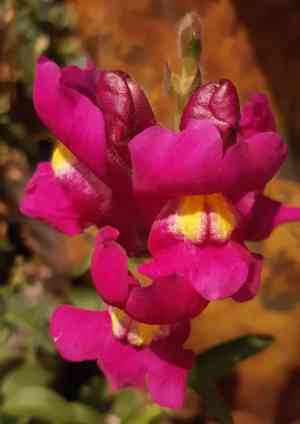
Stemodia (Stemodia) (Stemodia)
Also known as: None found
The genus Stemodia consists of around 40 species, including both annual and perennial herbs and shrubs. These species are distributed across temperate and tropical regions in Asia, Africa, Australia, and the Americas.
In This Article
Attributes of Stemodia (Stemodia)
Lifespan
Perennial
Plant Height
Usually up to 50 cm
Spread
Around 30 cm
Leaf Color
Green
Flower Size
1 to 2 cm
Flower Color
Purple, blue, or white
Images of Stemodia (Stemodia)
Quickly Identify Stemodia (Stemodia)
1
Stemodia plants can be identified by their small stature, herbaceous nature, and delicate flowers which often feature five petals. The leaves are usually opposite and may be covered with fine hairs.
Scientific Classification of Stemodia (Stemodia)
Phylum
Tracheophyta
Class
Magnoliopsida
Order
Lamiales
Family
Plantaginaceae
Genus
Stemodia
Planting and Growing of Stemodia (Stemodia)
Care Difficulty
Moderate
Watering Schedule
Every 3 days
Sunlight Requirements
Full sun
Sunshine Duration
6-10 hours
Ideal Temperature
65-75℉
Soil Type
Potting Mix, Peat Mix
Soil pH
6-8
Fertilizer Type
Balanced
Pruning Season
Spring, Summer
Pruning Area
Branches, Leaves
Pruning Frequency
2 times a year
Repotting Season
Spring
Pot Type
Plastic, Ceramic
 How to Water Stemodia (Stemodia)?
Stemodia requires moderate watering. It's important to water until the soil is evenly moist but not soggy. Observing the topsoil is crucial; stop watering when it feels damp to the touch.
What are the symptoms of an underwatered Stemodia (Stemodia)?
›
What should I do if my Stemodia (Stemodia) is not getting enough water?
›
What are the symptoms of an overwatered Stemodia (Stemodia)?
›
How to save an overwatered Stemodia (Stemodia)?
›
 What Are the Sunlight Requirements for Stemodia (Stemodia)?
Stemodia prefers a light range that spans partial to full sun, ideally positioned where it can enjoy morning sun and shade in the afternoon. This balance promotes vibrant foliage and robust plant health.
What is the ideal amount of sunlight for Stemodia?
›
How can you achieve the ideal light conditions for Stemodia?
›
What are the benefits of ideal sunlight conditions for Stemodia?
›
 What Is the Ideal Temperature Range for Stemodia (Stemodia)?
The ideal temperature range for growing Stemodia is between 65°F to 75°F. This range ensures optimal growth by providing sufficient warmth without overheating the plant. Within this range, the plant can efficiently photosynthesize, facilitating healthy growth and development.
 What Soil is Best for Stemodia (Stemodia)?
For Stemodia, well-draining soil is crucial. This prevents waterlogging, which can lead to root rot and other fungal diseases. By ensuring good drainage, you facilitate a healthier root system, enhancing the plant's overall vigor. Stemodia thrives in soil that is rich in essential nutrients. The presence of organic matter not only promotes growth but also strengthens the plant's resistance to pests and diseases, making it more robust and resilient in varying conditions. While drainage is vital, the soil should also possess some moisture-retaining qualities to keep the plant hydrated during dry spells. This balanced moisture helps in sustaining the plant’s growth and flowering, especially in warmer climates.
 How to Fertilize Stemodia (Stemodia)?
Stemodia plants are relatively easy-going regarding the amount of fertilizer they need. A balanced fertilizer should be used, and the dilution should be around half the recommended strength on the label for liquid fertilizers. For solid fertilizers, a small handful sprinkled evenly around the base is usually sufficient.
 How to Prune Stemodia (Stemodia)?
Begin by assessing the plant to identify areas that are overgrown or have dead or damaged stems. This helps in planning your pruning approach effectively and determining the extent of pruning required. Trim the tips of the branches to encourage branching. Doing so will promote a denser, more compact form while eliminating any leggy growth. Carefully remove any dead, diseased, or damaged stems. Cut these stems back to healthy tissue to prevent diseases from spreading throughout the plant. After addressing the tips and damaged stems, shape the plant by cutting to a bud that faces outward. This step will help guide the new growth direction and maintain a natural symmetry.
 How to Propagate Stemodia (Stemodia) plant?
1
Begin by soaking Stemodia seeds in lukewarm water for 24 hours to soften the seed coats, promoting faster germination. After soaking, dry the seeds gently and prepare them for sowing in a moistened seed-starting mix.
2
Select a healthy, non-flowering Stemodia stem and cut a 4-6 inch piece using sanitized pruning shears. Remove the lower leaves to reduce moisture loss. Optionally, dip the cut end in rooting hormone to enhance root development.
3
For seeds, sow them evenly on the surface of a light seed-starting mix under a thin layer of soil. For cuttings, insert the cut end into a moistened rooting medium, ensuring stability. Cover with a plastic dome to maintain humidity.
 How to Repot Stemodia (Stemodia) plant?
1
Repotting Stemodia is essential when you see the roots protruding from the pot's drainage holes or once growth becomes sluggish. This often indicates that the plant has outgrown its current home and needs more space to thrive.
2
Select a pot that is one size larger than the current one, ensuring it has adequate drainage holes. This prevents waterlogging, which is crucial for the well-being of Stemodia, as it prefers evenly moist conditions without sitting in water.
3
Opt for a soil mix that retains some moisture yet is well-draining. A blend containing peat, perlite, and organic matter works well, ensuring the roots have access to necessary nutrients while preventing root rot.
Learn More About Stemodia (Stemodia) Diseases
Anthracnose
Bacterial Leaf Spot
Bacterial Soft Rot
Bacterial Wilt
Chemical Injury
Crown Gall
Cyst Nematode
Damping-off
Downy Mildew
Drought Stress
Fusarium Wilt
Gray Mold
Leaf Curl
Leaf Spot
Mosaic
Nutrient Deficiency
Nutrient Toxicity
Powdery Mildew
Root Rot
Root-knot Nematode
Rusts
Sooty Mold
Spider Mites
Temperature Stress
Thrips Damage
White Mold

